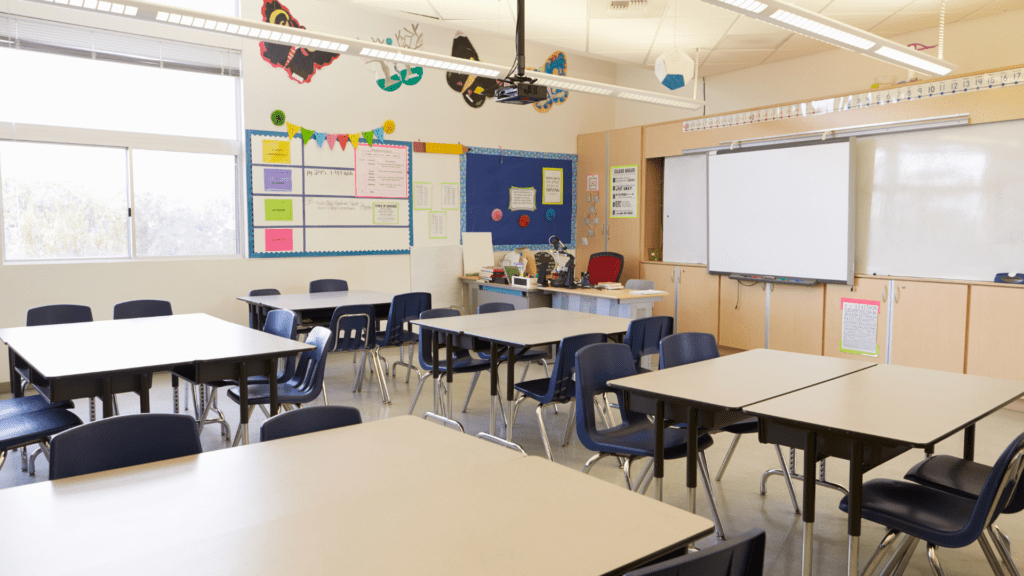
LED lights are transforming the way we illuminate school environments, proving themselves as a game-changer in educational settings. These energy-efficient bulbs provide a myriad of benefits that make our schools more sustainable and conducive to learning. By adopting LED lighting, we’re not just cutting down on electricity bills; we’re also creating a brighter, more vibrant atmosphere for both students and teachers.
We realise the importance of creating an optimal learning environment, and that’s where LED lights really shine. They emit a clean, consistent light that reduces glare and eye strain, which can significantly improve concentration and possibly even boost the academic performance of our students. Plus, the versatility of LED lights allows us to tailor the lighting conditions in classrooms, libraries, and sports halls to meet the specific needs of different activities and times of the day.
Embracing LED technology in schools is about more than just improving visibility, it is about ensuring a healthy and dynamic educational environment. Gone are the days of flickering fluorescent bulbs. With LEDs, we’re equipping our schools with a modern lighting solution that supports a greener future and enhances the learning experience for everyone. It’s an exciting time to witness this bright revolution in our schools.
The Transformational Impact of LED Lighting in Education
We’re witnessing an exciting shift in educational environments, thanks to the widespread adoption of LED lighting. This evolution is not just enhancing the aesthetics of our schools but also substantially improving the learning experience for students.
Improving Learning Conditions
LED lights for schools have brought about a profound change in the way we perceive and interact in educational spaces. These advanced lighting solutions provide a brighter, more uniform light quality, which is crucial in maintaining students’ focus and concentration. Studies suggest that natural-spectrum LED lights can lead to better visual acuity, reducing eye strain and fatigue. This is essential when we consider the increase in screen time and the amount of reading material students are exposed to.
Energy Efficiency and Cost Savings
Embracing LED technology stands out as a wise financial decision for educational institutions. Not only do LED lights have a longer lifespan compared to traditional bulbs, but they also consume significantly less energy—up to 80% less—which translates to substantial cost savings. Here’s a quick overview of the energy savings and financial impact:
| Traditional Lighting | LED Lighting |
| Higher energy consumption | Lower energy consumption |
| Frequent replacements needed | Longer lifespan |
| Higher maintenance costs | Reduced maintenance costs |
Sustainability and Environmental Benefits
Our dedication to sustainability is reinforced by the switch to LED lighting in schools. LEDs do not contain hazardous materials, such as mercury, which are common in fluorescent lamps. This results in less toxic waste and less environmental harm when they’re eventually disposed of. Also, the reduced energy consumption of LED lights means a significant decrease in carbon footprint, showing our commitment to protecting the planet for future generations.
Innovative LED Technology and Smart Features
LED lighting technology has become a game-changer within educational settings, providing energy-efficient solutions that can adapt to the dynamic needs of modern schools. These advancements enable us to create learning environments that are not just brighter and more cost-effective but also smart and responsive to the needs of educators and students alike.
Advancements in LED Solutions
We’re witnessing incredible improvements in LED lighting for schools. Our current LED systems boast higher luminous efficacy, ensuring brilliant brightness with lower power consumption. This significant jump in efficiency directly translates to substantial cost savings for schools. What’s more, these solutions empower us to reduce our carbon footprint, demonstrating our commitment to sustainability and greener school environments. LED systems now often include:

- Adjustable Colour Temperatures: Inspired by natural light patterns, these LEDs can change their colour temperature to mimic daylight, which can help in regulating students’ circadian rhythms and improving concentration levels.
- Longer Lifespan: We’re excited about LEDs that last up to 50,000 hours, drastically minimising the need for replacements and maintenance.
- Durability: With solid-state construction, LEDs are more resistant to breakage and immune to the flickering and fading commonly associated with traditional lighting.
Integrating LEDs with Smart School Systems
We’re not just stopping at energy efficiency; LED lighting can be part of a larger smart school system. Here’s how we’re integrating them:
1. Motion Sensors: By installing LEDs with motion sensors, lights automatically turn off in unoccupied spaces, allowing us to conserve energy effortlessly.
2. Remote Control and Automation: Lights can be dimmed or brightened with the touch of a button or programmed to adjust at pre-set times.
3. Data Collection: These smart systems can collect usage data that help us tailor energy consumption practices, leading to further optimisations in our schools.
By embracing these technologies, we’re elevating the standard of our learning environments while paving the way for a smarter, brighter future for education.

Health, Wellbeing, and Performance
As we explore the transformative impact of LED lights in schools, it’s crucial to recognise their benefits on health, wellbeing, and performance. We see firsthand how these innovative lighting solutions are making learning environments more conducive to success.
Enhancing Student Concentration
LED lights are a fantastic boon to classrooms, producing a quality of light that aids in significantly enhancing student concentration. Properly illuminated spaces have been linked to improved academic performance, as the cool, bright light quality of LEDs resembles natural daylight. This similarity helps in regulating the circadian rhythms of students, keeping us more alert and focused during school hours. Schools have noted an increase in attention spans among pupils when LED lights are used.
Reducing Eye Strain and Improving Comfort
With LEDs, we’re also noticing a considerable reduction in eye strain. Unlike the flicker and glare associated with fluorescent bulbs, the steady output from LED lights ensures a consistent level of illumination, which is gentler on the eyes. This improvement contributes to a more comfortable environment where students can work for longer periods without discomfort.
- Steady Illumination: Reduced flickering allays the risk of headaches and eye strain.
- Adjustable Brightness: Some LED systems allow us to tailor the light intensity, adapting to different activities and times of day.
- Glare Reduction: Modern LED fixtures are designed to minimise glare, which further helps in maintaining eye health.
Our commitment to integrating LED lights in schools stems from the belief that a better-lit environment is pivotal to our students’ health and academic achievements.
Perfect Sense Energy’s bespoke energy-saving solutions not only shrink carbon footprints, but also drive cost efficiency, enabling businesses to save on energy expenses in the long run! To embark on this illuminating journey, reach out today for a no-cost desktop assessment on 01942 367 599. We’re always available to help out!