
Explore the inspiring world of renewable energy and its potential in shaping a sustainable future for our planet. As passionate advocates of clean and green technologies, we at Perfect Sense Energy are excited to share our knowledge and insights to help you understand the importance and key aspects of renewable energy.
What is renewable energy?
Renewable energy refers to energy sources that are naturally replenished and can be harnessed without depleting their finite reserves. These sources are abundant in nature and provide a sustainable alternative to conventional fossil fuels, which contribute to environmental pollution.
Non-renewable energy sources such as oil, coal, natural gas, and nuclear energy are those that cannot be easily replenished or regenerated within a short period. These sources have a limited supply and can damage the environment.
How does renewable energy work?
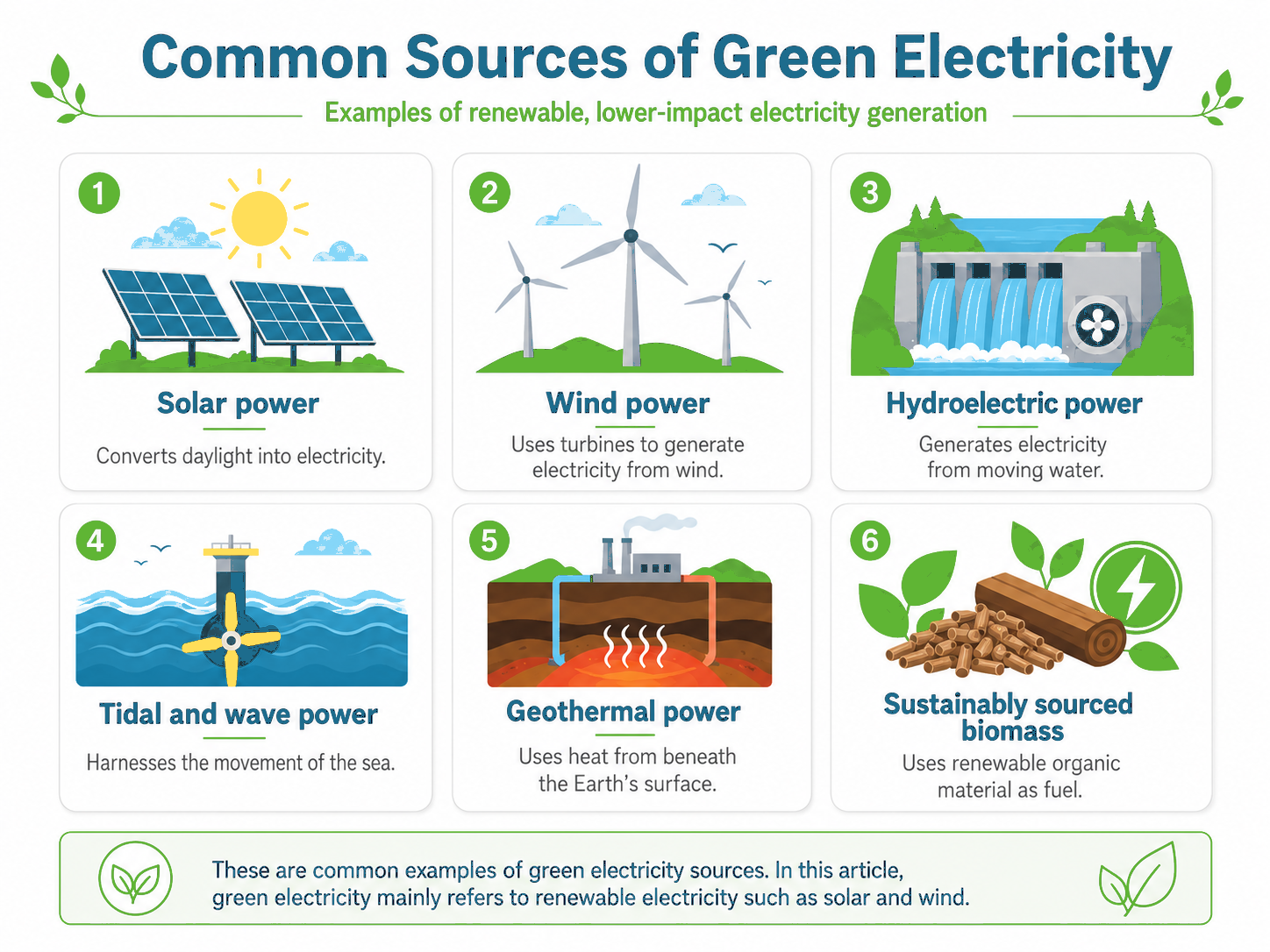
Renewable energy works by tapping into naturally occurring and continuously replenished sources of energy to generate power, without depleting limited resources or causing significant environmental harm. Each source of renewable energy operates based on distinct principles. For instance, solar energy harnesses sunlight using photovoltaic cells that turn this sunlight into electricity.
Find out more about how Solar Power works.
The most popular renewable energy sources
Solar energy
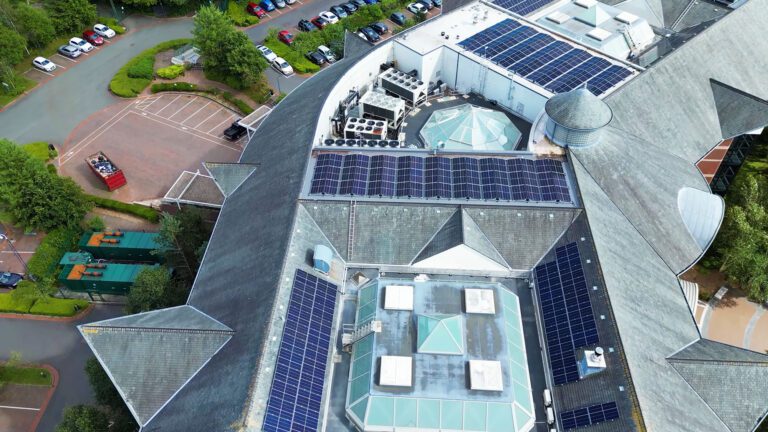
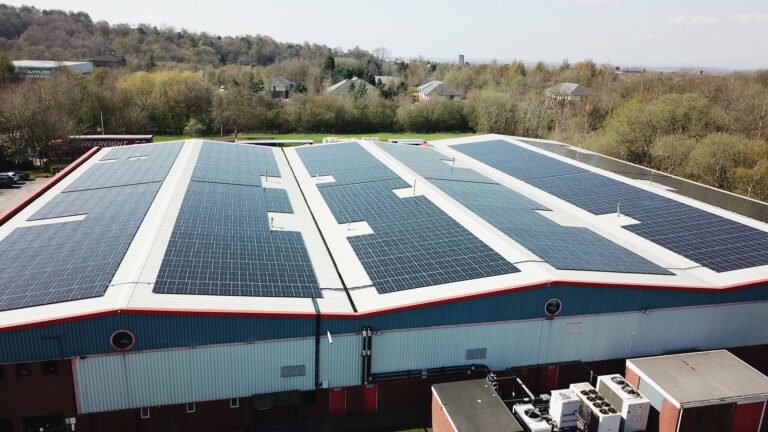
Solar energy tops the list as one of the best renewable resources available to us. It taps into the sun’s rays through solar panels, converting sunlight directly into electricity. As technology advances, the efficiency and affordability of commercial solar panel installations have improved significantly, making solar energy an attractive option for commercial and industrial applications.
As of 2021, China was the leading country in the world based on solar energy consumption, with a share of 31.7%. The UK, however, only stood at 1.2%.
Wind energy
Wind energy takes advantage of the kinetic energy generated by the wind to produce electricity. Large wind turbines, strategically placed in windy areas, can harness substantial amounts of energy, making wind power a crucial contributor to the renewable energy mix. China is the world leader in wind energy, with over one-quarter of the world’s wind power capacity.
Hydropower
Hydropower capitalises on the energy stored in moving water. Dams and turbines are used to convert the water’s kinetic energy into electrical power. Hydropower plants can vary in size, from large-scale installations to micro-hydropower systems used in rural areas.
Hydropower consumption has generally increased over the last decades, reaching 40.3 exajoules in 2021. It is one of the leading renewable sources worldwide due to its flexibility and consistency. The largest global consumers of hydropower include China, Canada, and Brazil.
Geothermal energy
Geothermal energy relies on the Earth’s internal heat to produce electricity and heat buildings. It involves tapping into underground reservoirs of steam and hot water, which are then used to drive turbines and generate power.
While geothermal electricity is leveraged in 26 countries, geothermal heating is used in over 70 countries. The USA are the frontrunners of Geothermal Energy, with 3,794 MW installed capacity.
Biomass energy
Biomass energy employs organic materials, such as agricultural residues, wood, and other plant and animal matter, to produce heat and electricity. Through processes like combustion and gasification, biomass can be transformed into usable energy forms.
The usage of biomass fuel is most prominent in Africa, with Ethiopia at the top of this list. The country depends heavily on this type of energy, with 92.9% of their supply coming from this source.
Advantages of renewable energy
- Renewable energy sources will never run out
Renewable energy sources differ from fossil fuels in that they are constantly replenished, ensuring an endless supply, regardless of consumption. As opposed to fossil fuels such as coal and oil, which will eventually be depleted, renewable energy sources remain a constant and reliable presence.
- It is environmentally friendly
Renewable energy sources are naturally occurring methods of generating energy, making them environmentally friendly. While some emissions may still be associated with renewable energy technologies, their overall impact is significantly lower compared to fossil fuels.
- Lower maintenance costs
Renewable energy sources generally have far lower maintenance costs. They use simpler technology with fewer moving parts, their wear and tear is reduced as they don’t rely on combustion, they have a longer lifespan, and have less environmental impact. Solar panels can last 25+ years with minimal maintenance, and wind turbines can operate for 20-25 years.
- Protects businesses from future energy price rises
Renewable energy helps businesses reduce their reliance on the grid and fossil fuels, and also shields them from future energy price hikes. By establishing a stable and sustainable energy supply, businesses can mitigate the impact of fluctuating energy costs, providing greater financial security and peace of mind for the future.
- Creates more jobs
As the demand for clean energy sources increases, there is a need for skilled workers in areas such as manufacturing, installation, maintenance, research, and development.
The future of renewable energy
The International Energy Agency’s (IEA) quote on the future of renewable energy, as outlined in their report “Renewables 2022,” provides an insight into the upcoming trends in the global renewable energy sector. The IEA highlights the clear dominance of solar PV and wind, as they are projected to contribute approximately 95% of global renewable capacity additions by the end of 2027. This shows the amazing progress made in these green technologies, and signifies the global interest in acquiring sustainable energy sources.
However, some renewable energy technologies, such as hydropower, bioenergy, geothermal, concentrated solar power (CSP), and ocean technologies face certain challenges. These “technology-specific challenges” include limitations in infrastructure, cost-effectiveness, and scalability, which could potentially hinder their rapid growth in comparison to solar PV and wind.


Renewable energy for your business and how we can help you
Businesses can greatly benefit from the integration of renewable energy. By embracing renewable energy solutions, businesses can align themselves with sustainability practices and gain a competitive edge in today’s environmentally conscious market.
Perfect Sense Energy offers bespoke energy saving solutions that not only reduce carbon footprints, but also drive cost efficiency, allowing businesses to save on energy expenses in the long run. By integrating solar PV and other cutting-edge green technology, companies can future-proof their operations, whilst contributing to a cleaner and greener world.