Picture this: a world where businesses not only thrive but also contribute to a sustainable future. LED lighting stands as a beacon in this vision, revolutionising the way companies approach energy efficiency and environmental responsibility. Let’s delve into the brilliance of LED lighting in a way that not only sheds light on its technical aspects but also illuminates the positive impacts it creates within the business landscape. As Yvette from Allo Allo would famously say, “I shall say this only once.”
In the tumultuous year that was 2022, the importance of preparation and execution in the face of uncertainties became vividly clear. Despite the challenges, positive outcomes shone through, such as the advent of the ADR scheme, a heightened focus on renewables, and a deeper sense of carbon accountability. These developments shaped a context where sustainable practices became not just a choice but a necessity.
Enter LED lighting—a superstar in the realm of sustainable business practices. This technology, adorned with virtues like energy efficiency, longevity, and reduced carbon footprint, has emerged as a beacon guiding companies toward a brighter, more eco-conscious future. Its journey is not just about lighting up spaces but also illuminating the path to sustainable operations.
Understanding LED Lighting
What’s the Buzz about LED Lighting?
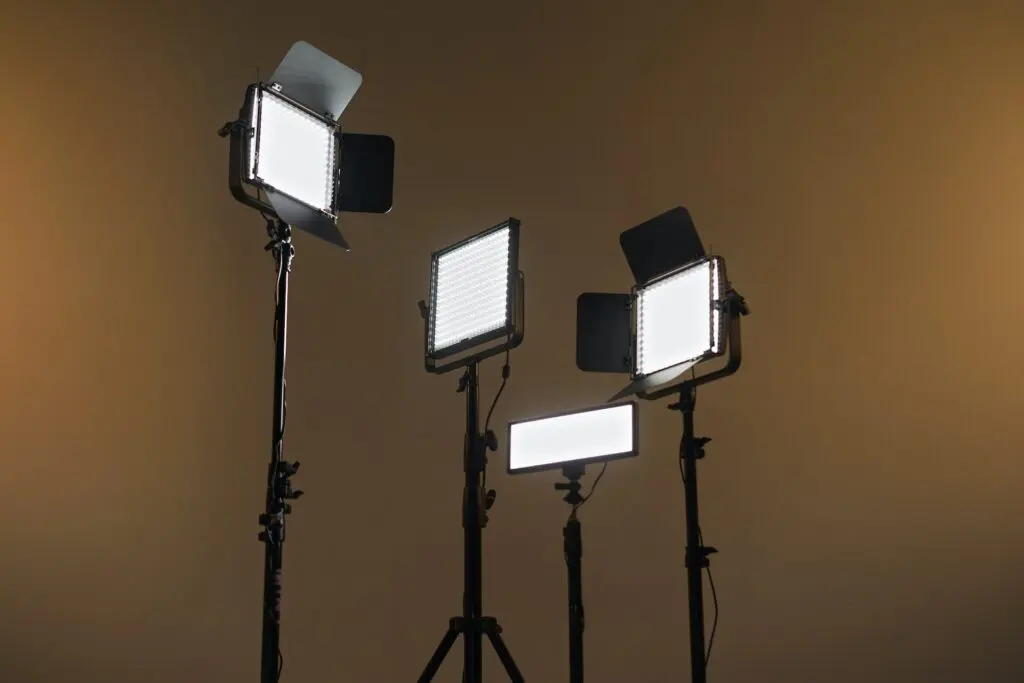
LED, the acronym for Light Emitting Diode, represents a revolutionary approach to generating light. These semiconductor devices, when sparked by an electric current, emit light. Unlike their traditional counterparts, LED lighting operates on a more energy-efficient platform, boasting longer lifespans and a substantially reduced carbon footprint.
Imagine this: LED lighting can munch on up to 80% less energy while producing the same, if not more, illumination. This attribute doesn’t just slash energy costs but also curtails greenhouse gas emissions, positioning it as a sustainable choice for businesses. Plus, LED lights’ extended lifespans diminish the frequency of replacements, contributing to waste reduction.


The Brilliance of LED: A Story of Benefits
The advantages of LED lighting twinkle like stars in a clear night sky:
- Energy Efficiency: LED lighting is the epitome of efficiency, saving up to 80% more energy than its traditional counterparts. This spells out significant cost savings in the long run.
- Longer Lifespan: Picture this—a single LED bulb can glow up to 25 times longer than traditional bulbs. This prolonged life cycle drastically reduces the need for replacements, minimising waste output.
- Carbon Footprint Reduction: LED lighting dances with a lower carbon emission, a crucial aspect in the era of environmental consciousness.
- Enhanced Lighting Quality: With LED lighting, bask in the glow of brighter, more consistent light that’s easily adaptable to various settings.
- Durability: LED bulbs take on a tough stance against shock and vibration, making them ideal for challenging environments.
LED lighting emerges as a sustainable and cost-effective ally for businesses keen on reducing their carbon footprint while amplifying savings. Its energy efficiency, extended lifespan, and superior lighting quality make it a smart investment to elevate both sustainability and the bottom line.
The Leading Role of LED Lighting in Reducing Carbon Footprint
Step into the world of sustainability through the lens of LED lighting. This radiant technology offers a sustainable alternative to traditional lighting systems, such as incandescent and fluorescent bulbs. By devouring less energy, boasting a longer lifespan, and emitting less heat, LED lighting emerges as a sustainable choice in the fight against carbon emissions.
Compare LED lighting to traditional systems, and the differences shimmer brightly:
- Energy Efficiency: LED bulbs are tailored to consume less electricity, resulting in lower energy bills and reduced carbon emissions.
- Longer Lifespan: LED bulbs hang on longer, diminishing the need for frequent replacements, and in turn, the generated waste.
- Less Heat Emission: A lower heat emission by LED bulbs translates to reduced energy consumption, ensuring a cooler surrounding environment.
- Lack of Hazardous Materials: Unlike traditional fluorescent bulbs housing mercury, LED bulbs steer clear of hazardous materials, making them safer for both the environment and human health.
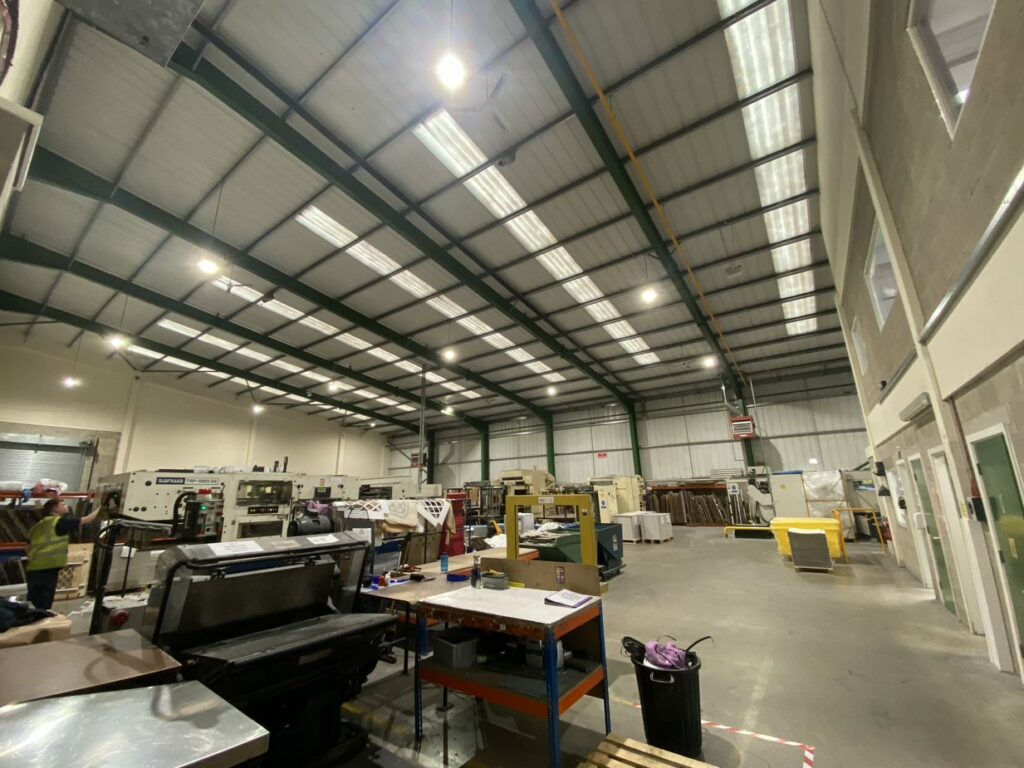
Incorporating LED lighting in business operations becomes a symbol of commitment to a healthier environment. Businesses making the switch can revel in lower energy bills, reduced waste generation, and an active contribution to a greener world.
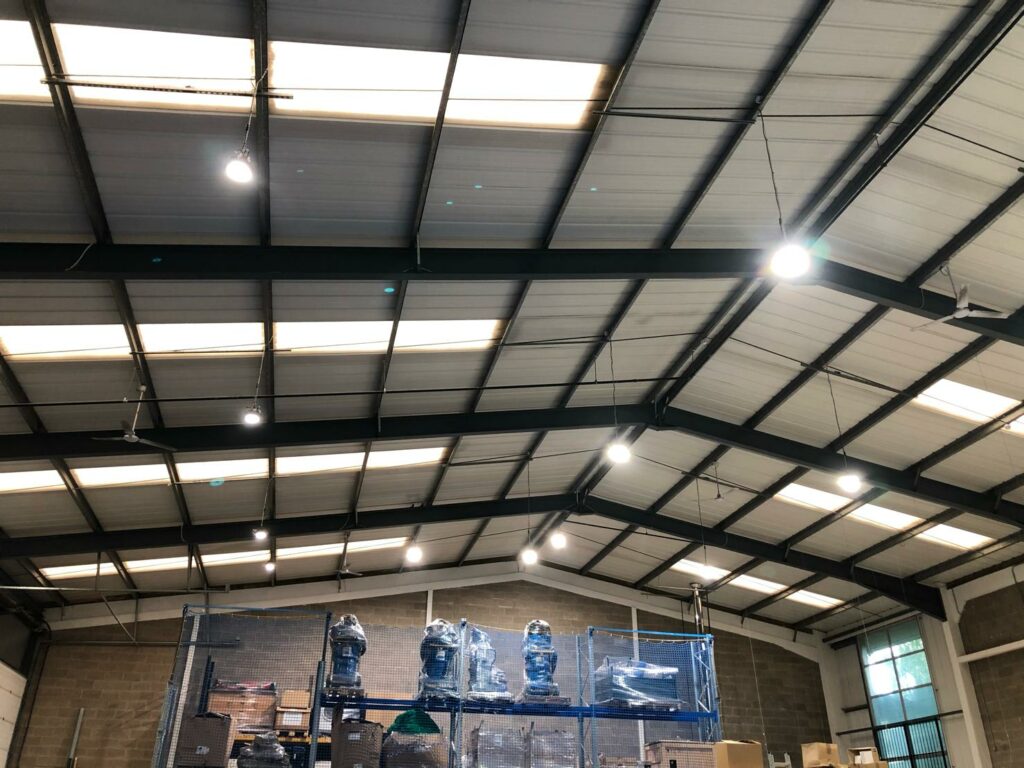
Illuminating Your Business With LED Lighting
Steps to Transition to LED Lighting
- Conduct an Energy Audit: Understand your current energy consumption to identify areas where reductions can be made.
- Develop a Lighting Plan: Tailor the LED lighting to each area, considering factors like brightness, colour temperature, and beam angle.
- Choose a Reputable Supplier: Select a high-quality LED lighting provider aligned with your business needs.
- Install the LED Lighting: Ensure a correct installation process for optimal performance and maximum energy savings.


Cost Analysis of LED Lighting
While the initial shift to LED lighting demands an investment, the long-term benefits make it a winning proposition:
- Energy Savings: LED lighting can consume up to 80% less energy than traditional lighting, promising substantial savings.
- Maintenance Savings: Lower maintenance requirements translate to reduced costs over time.
- Lifespan: LED lighting’s extended lifespan results in less frequent replacements.
- Rebates and Incentives: Many utility companies offer incentives, reducing the initial investment in transitioning to LED lighting.
Transitioning to LED lighting sets the stage for a sustainable and cost-effective solution, guiding businesses toward a reduced carbon footprint and increased efficiency.
The Bright Future of LED Lighting and Sustainability
As we stride towards a more sustainable future, LED lighting stands as a steadfast companion. Its energy efficiency, extended lifespan, and low maintenance requirements make it a preferred choice for companies seeking to minimise their environmental impact. But what lies ahead in the future of LED lighting and sustainability?
One intriguing advancement revolves around smart lighting systems. These systems, with sensors and adaptive technology, tweak lighting levels based on factors like occupancy and natural light levels. The result? Reduced energy consumption coupled with enhanced comfort and productivity for occupants.
Another promising trend is circadian lighting, mimicking natural daylight rhythms to enhance sleep, mood, and overall health. In settings like healthcare and education, this technology holds the potential to improve patient outcomes and student performance.
The versatility of LED lighting is slated to reach new heights, offering flexible form factors and a wide spectrum of colours. Picture this: dynamic LED strips creating captivating displays or coloured LEDs accentuating architectural features.
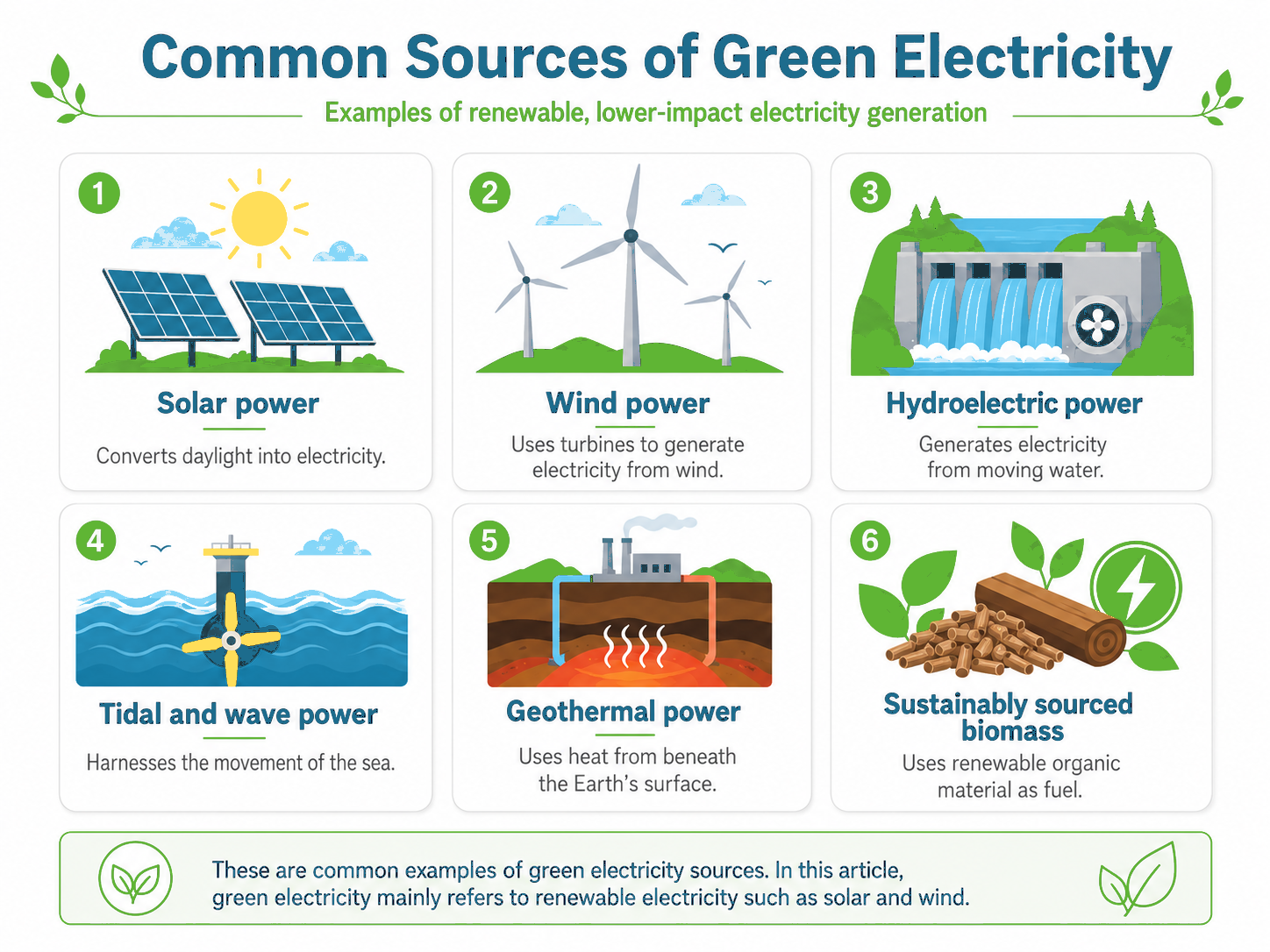
And as the adoption of renewable energy sources like solar and wind power gains momentum, the synergy with LED lighting further fortifies sustainability efforts. This combination empowers businesses to reduce reliance on fossil fuels and significantly cut their carbon footprint.
The future of LED lighting and sustainability gleams with promise. Continued innovation and investment will keep LED lighting at the forefront, aiding businesses in shrinking their environmental impact and fostering sustainable workplaces.
A Call to Illuminate with Perfect Sense Energy
In this journey towards sustainable practices, Perfect Sense Energy emerges as a beacon. Our bespoke energy-saving solutions not only shrink carbon footprints but also drive cost efficiency, enabling businesses to save on energy expenses in the long run. To embark on this illuminating journey, reach out today for a no-cost desktop assessment at 01942 367 599. Despite our busyness, we’re always here to help out.
LED lighting isn’t just about brightening up spaces—it’s about illuminating the path to a more sustainable future for businesses. By understanding its technical aspects, benefits, and role in sustainability, companies can harness this technology to reduce their carbon footprint and enhance their bottom line. The future shines brightly with LED lighting leading the charge towards a more sustainable world.