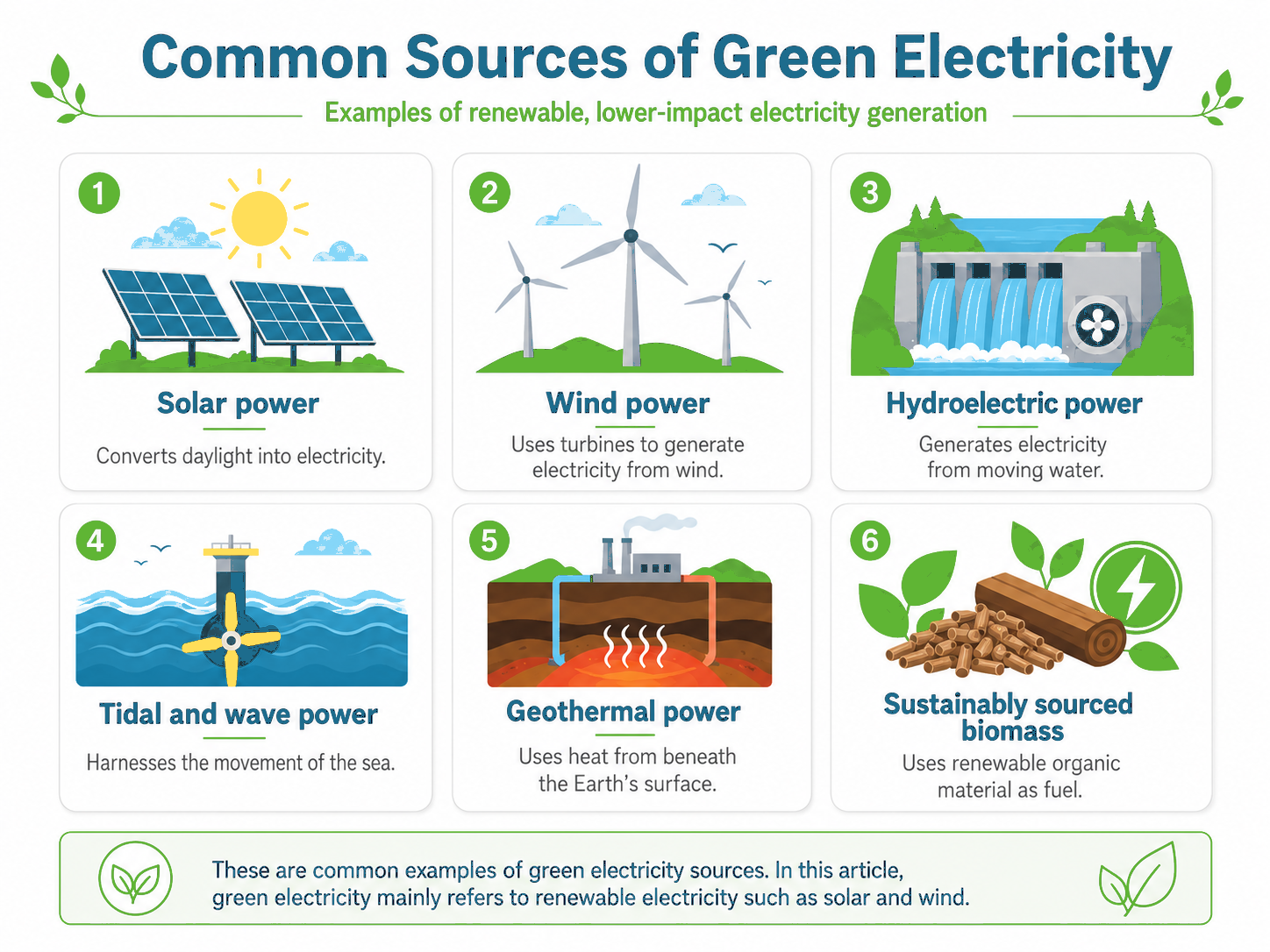

Embracing renewable energy sources is a transformative strategy for businesses aiming to achieve sustainability and independence from non-renewable energy. At Perfect Sense Energy, we are witnessing an exciting shift where companies across various sectors are investing in clean energy to power their operations. This surge is not only a testament to our collective environmental consciousness but also to the practical, long-term cost savings and reliability that renewable sources offer. From solar to wind and beyond, there’s a plethora of green options at our disposal that can help us reduce our carbon footprint and embrace a greener future.
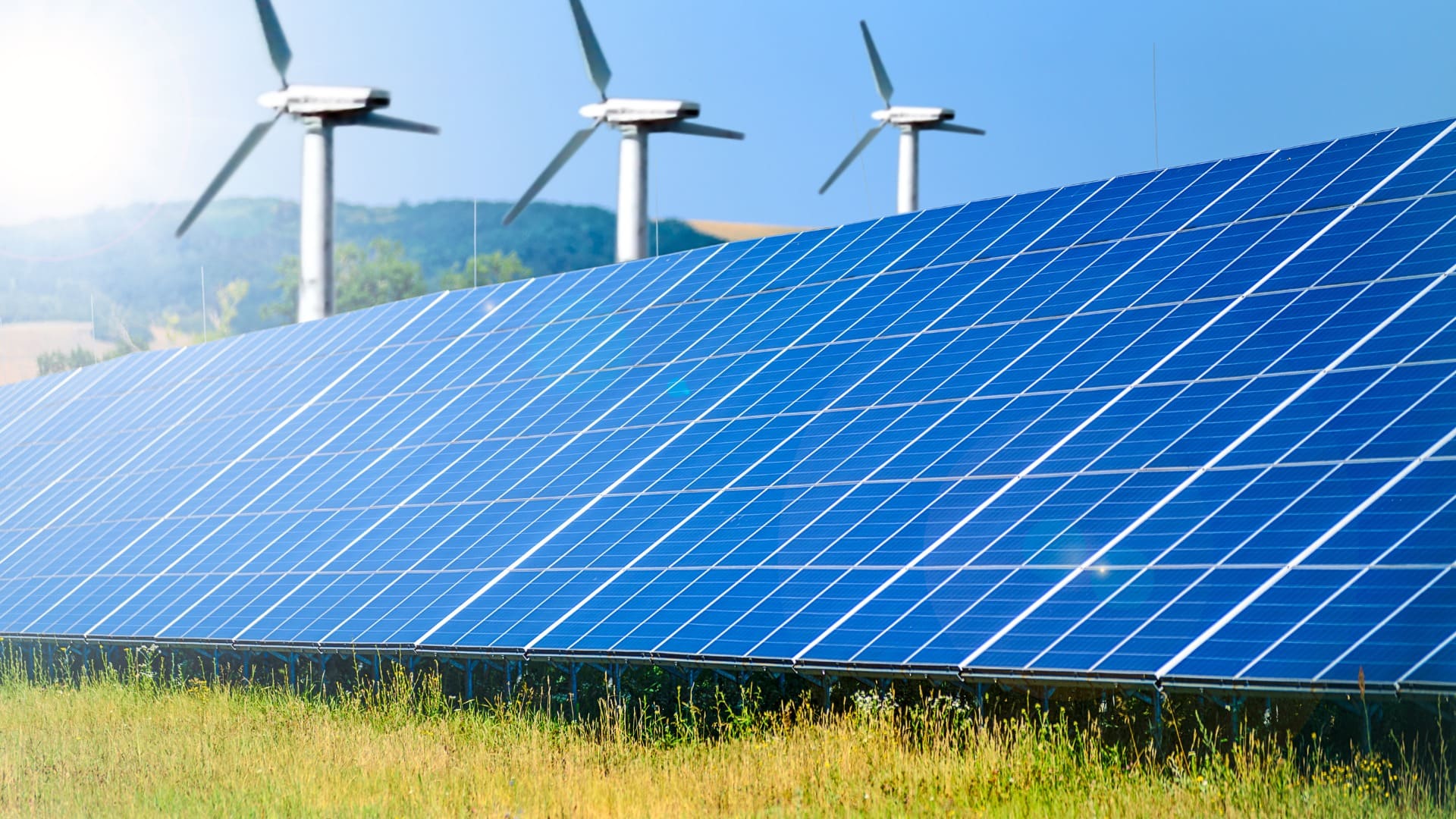
Solar power stands out as a stellar option for its versatility and efficiency. With advances in photovoltaic technology, we can now harness more energy from the sun than ever before. Solar panels on facility rooftops or nearby fields can provide a significant portion of our electricity needs. And, the entry costs are lower than they used to be, making solar a great starting point for businesses looking to dip their toes into sustainable energy use.
Assessing Energy Needs
Before we transition to renewable energy sources, it’s essential we thoroughly understand our business’s energy demands and how different energy sources might affect our daily operations.
Determining Energy Consumption Patterns
We must first chronicle our daily energy usage to identify peak demand periods and any inefficiencies. This involves:
- Recording energy usage: Tracking kWh used over a week/month/year.
- Understanding peak times: Noting when we use most energy and exploring why.
- Evaluating equipment efficiency: Listing all appliances and their energy ratings.
By analysing this data, we can pinpoint which renewable sources can cater to our specific energy needs.
Impact of Energy Source on Business Operations
Choosing the right renewable source is not just about what’s best in general, but what’s best for us. Here’s how we can evaluate the impact:
1. Solar Power: If our operations are day-centric, solar panels harness sunlight efficiently.
2. Wind Energy: For locations with consistent wind, turbines could be our powerhouses.
3. Hydroelectric: With access to flowing water, this could offer us a steady energy flow.
4. Biomass: Using our own waste as an energy source might be viable if we have ample by-products.
We must consider the compatibility of each source with our operational requirements and site-specific conditions. This strategic approach will align us with the most sustainable and cost-effective energy solution for our business.

Types of Renewable Energy Sources
We’ve meticulously rounded up a selection of renewable energy sources that not only propel us towards a more sustainable future but also offer businesses both big and small a pathway to energy independence and reduced carbon footprints.
Solar Power: Harnessing the Sun
Solar power is at the forefront of renewable energy solutions. By installing photovoltaic (PV) panels or solar thermal systems, businesses can capture the sun’s bountiful energy. Our rooftops become power stations, and car parks, with solar canopies, turn into energy-generating hubs. It’s a clean, abundant source that’s reducing our reliance on fossil fuels and shrinking energy bills like never before.
Wind Energy: Capitalising on Air Currents
In our quest for the best renewable sources, wind energy is a true powerhouse. With the installation of wind turbines, we grab hold of the wind’s kinetic energy and convert it into electricity. This isn’t just for sprawling fields; rooftop turbines are scaling down this technology, making it accessible for various business sizes. Wind farms offshore and on land are becoming more prevalent, a testament to wind’s stellar potential in our energy mix.
Hydropower: Utilising Water Flow
Harnessing energy from water sources, hydropower remains a constant in the renewable energy landscape. From massive dams to small-scale hydro projects, we’re adept at turning the natural flow of rivers and streams into electricity. It’s especially advantageous for regions with ample water courses, providing a steady and reliable source of green energy.
Geothermal Energy: Tapping into Earth’s Heat
Last but by no means least, geothermal energy exploits the inexhaustible heat beneath our feet. By drilling down to Earth’s hot spots, we deploy heat pumps and geothermal power plants that provide heating and cooling solutions for our buildings. Not to mention, the baseload power is extraordinary, ensuring a stable supply around the clock. It’s a game-changer for regions with the right geological conditions.
Cost-Benefit Analysis
Let’s look at the financial considerations involved in adopting renewable energy sources. We’ll consider the up-front costs versus the long-term savings, explore the role of governmental support, and evaluate the return on investment.
Initial Investment Vs. Long-Term Savings
When we switch to renewable energy sources like solar panels or wind turbines, we’re facing a substantial initial investment. For example, solar PV systems can cost on average between £4,000 to £8,000 per kilowatt installed. However, the long-term savings are significant due to reduced electricity bills and lower maintenance costs.
| Renewable Energy Source | Average Initial Cost | Estimated Long-Term Savings |
| Solar PV | £4,000 – £8,000/kW | 60-70% reduction in electricity bills |
| Wind Turbines | £1.3 million/MW | £2,000 – £3,000/year in operational costs |
| Biomass Boilers | £5,000 – £19,000 | Up to 50% savings on fuel costs |
Government Incentives and Subsidies
The UK government offers a range of incentives and subsidies to businesses that invest in renewable energy. The Smart Export Guarantee (SEG) is one such programme that has boosted the use of renewables significantly. These programmes offer payments for the generation of renewable energy and contribute towards the initial outlay.
Implementing Sustainable Practices
When we talk about business sustainability, incorporating the best renewable energy sources into our operations is crucial. We must ensure that our practices are both environmentally friendly and cost-effective, enabling us to thrive in a competitive business landscape.
Integrating Renewable Sources into Existing Systems
The first step is to seamlessly introduce renewable energy into our current infrastructure. We’ve seen solar and wind power leading the charge, so let’s examine how we can leverage them:
- Solar Power: We can install photovoltaic panels on unused roof space or available land. The initial investment is often offset by long-term savings and potential government incentives.
- Wind Energy: For businesses located in wind-rich regions, small wind turbines can supplement our energy needs and reduce our reliance on traditional power grids.
Monitoring and Adjusting for Efficiency
Our journey doesn’t end with implementation. We must track our progress and make necessary adjustments:
- Smart Metres: Use them to monitor energy usage in real-time, allowing us to detect and rectify inefficiencies swiftly.
- Performance Reviews: Conducting periodic evaluations of our renewable systems ensures we are operating at peak efficiency and receiving the best returns on our investment.
Perfect Sense Energy, your personal renewable energy tour guide, offers up bespoke energy-saving solutions. We’re not just about going green; we’re about cutting back on costs for businesses. Give us a shout on 01942 367 599 for a no-cost desktop assessment!