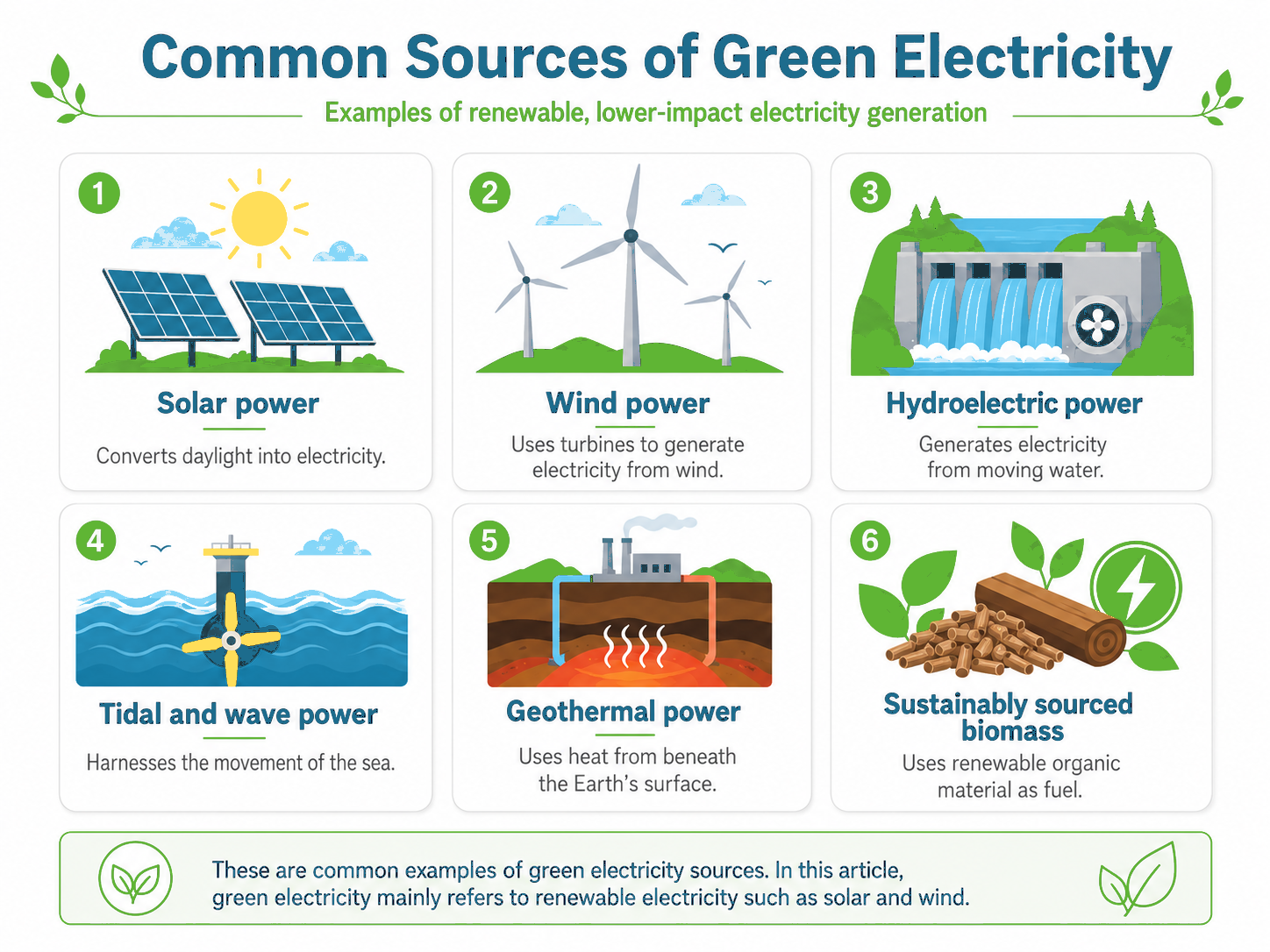
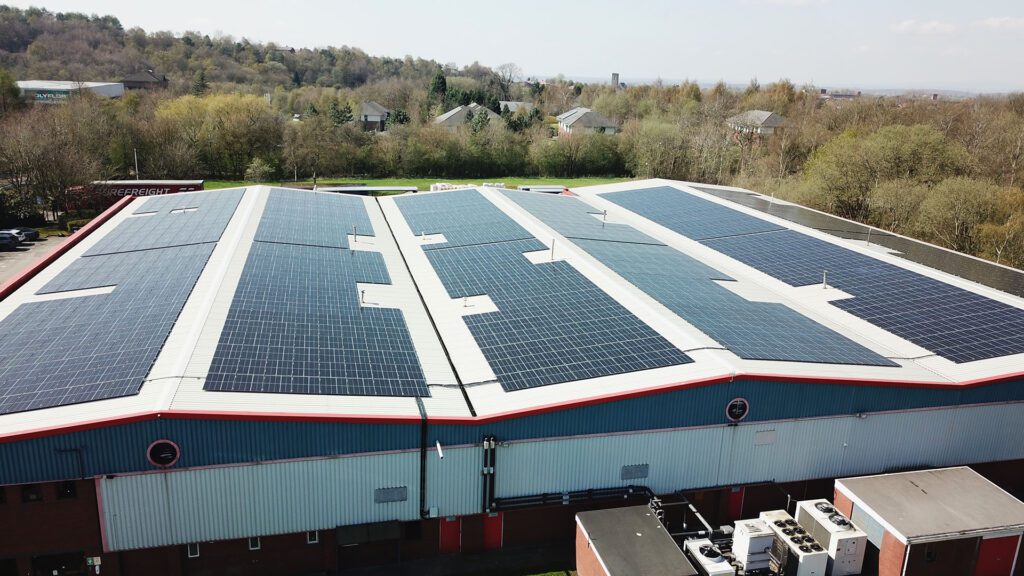
As we embark on a journey towards a more sustainable future, we often champion solar energy as one of our prime allies against the escalating threat of climate change. It’s hailed for its cleanliness, renewability, and ability to reduce our hefty carbon footprint. Utilising energy from the sun, we’ve developed ways to power our homes, industries, and even cities, but it begs the question: does solar energy contribute to global warming in any significant way?
We need to consider the production, installation, and energy conversion processes of solar technologies to comprehensively assess their environmental impact. It’s crucial for us to acknowledge that manufacturing solar panels involves resource extraction and industrial processes which, inherently, emit greenhouse gases. However, once installed, solar systems generate electricity without direct emission of pollutants or greenhouse gases – a substantial win for our fight against global warming.
Yet, we can’t ignore the life cycle perspective in our conversation. Our solar panels aren’t immortal; they have a finite lifespan. At the end of their life, handling waste and recycling panel components becomes part of the equation. While the benefits of solar energy are tremendous, especially when compared to fossil fuels, we must continue to refine recycling practices to ensure a minimal impact on our beloved planet. Together, we’re learning and adapting, committed to making solar power a truly green energy source.
The Role of Solar Energy in Climate Change
We are witnessing a pivotal time where renewable energy sources like solar power are becoming integral to our efforts against climate change. Let’s explore how solar energy functions, its comparison to fossil fuels, and the carbon footprint of solar technologies.
Mechanisms of Solar Power
Solar power harnesses energy from the sun and converts it into electricity, which we can use to power our homes, businesses, and devices. This process of converting light (photons) to electricity (voltage) occurs through a technology called photovoltaic (PV) cells. These cells are made from semiconductor materials, typically silicon, which absorb the sunlight and release electrons, thus creating an electric current.
Solar Energy Vs. Fossil Fuels
- Renewability: Solar energy is virtually limitless and replenishes naturally, unlike fossil fuels like coal and natural gas, which are finite and emit greenhouse gases when burnt.
- Emissions: The operation of solar panels releases no greenhouse gases directly, thereby not contributing to global warming during this phase. Conversely, burning fossil fuels is a significant source of CO2, a major greenhouse gas contributing to global warming.
Carbon Footprint of Solar Technologies
The production and disposal of solar panels involves energy consumption and emissions, which account for their carbon footprint. However, it is important to note that:
- Manufacturing: Emissions from the manufacturing of solar panels are notably lower compared to the ongoing emissions generated from fossil fuel power plants.
- Life Cycle: Over their lifetime, solar panels can offset the initial carbon footprint through clean electricity generation, leading to a net decrease in emissions.
We’re enthusiastic about the positive role solar energy has in fighting global warming, and we continue to advocate for its increased adoption and improvement!

Benefits of Solar Panels for the Environment
Solar panels stand as a beacon of hope, dramatically slashing greenhouse gas emissions and paving the way towards a future fuelled by sustainable energy. By harnessing the sun’s power, they produce clean electricity, positively impacting local ecosystems and combating global warming.
Reduction in Greenhouse Gas Emissions
We find that solar panels play a pivotal role in the reduction of greenhouse gases. When we switch to solar energy from fossil fuels, we significantly cut the amount of carbon dioxide (CO2) and other harmful emissions released into the atmosphere. For instance, a typical solar panel system can prevent the release of approximately one tonne of CO2 annually.
Key Figures:
- CO2 prevention per building: over 1 tonne/year.
- Equivalent trees planted (per tonne of CO2): ~25 trees/year.
Sustainable Energy for the Future
Our transition to solar energy ensures a sustainable and inexhaustible supply of power. The sun beams down more than enough energy to meet our global needs, and unlike oil or coal, it won’t run out. This means we’re establishing a consistent, reliable energy supply that our children and future generations can count on.
Sustainability facts:
- Sunlight available daily: >10,000 times our energy use.
- Life expectancy of solar panels: ~25-30 years.
Impact on Local Ecosystems
By embracing solar energy, we minimise our intrusion into local ecosystems. Solar farms can be integrated with agriculture, supporting biodiversity, while rooftop panels reduce the need for land disturbances. Plus, solar panels require minimal water for operation, conserving this precious resource unlike the water-intensive processes of nuclear and coal-fired power stations.
Conservation highlights:
- Water usage: Significantly less than traditional power sources.
- Land use: Compatible with agriculture and can promote biodiversity.

Challenges and Considerations
In our quest for a cleaner planet, we must carefully weigh the pros and cons of solar energy. Here, we confront the challenges and scrutinise the crucial considerations of this endeavour.
Manufacturing and Disposal Impact
Materials and Energy: To build solar panels, we require various materials, including metals like silver and silicon. The extraction and manufacturing processes release greenhouse gases, contributing to global warming. And, the energy used to create solar panels can originate from non-renewable sources.
Waste Management: End-of-life disposal of solar panels represents another challenge. Improper handling can lead to harmful materials leaching into the environment. We must develop effective recycling methods to mitigate this impact.
Land Use and Biodiversity
Habitat Disruption: Large-scale solar farms necessitate significant land, which can disrupt local ecosystems. Construction and operation of these farms ought to minimise harm to existing wildlife habitats.
Balanced Development: We must seek a balance between land-use for solar energy and the preservation of natural ecosystems. Ensuring that biodiversity thrives alongside renewable energy development is imperative to our efforts.

Advancements and Innovations in Solar Technology
We’ve witnessed remarkable progress in solar technology aimed at making it more efficient and sustainable. Let’s explore the specifics behind these advancements.
Efficiency Improvements
For greater efficiency, we’ve seen significant enhancements in photovoltaic cell technologies. Perovskite solar cells, a new generation of cells, are a prime example. These cells have reached energy conversion efficiencies above 25%, rivalling traditional silicon-based cells. Also, bifacial solar panels, which capture sunlight from both sides, have advanced. This dual capturing ability can increase energy production by up to 30% compared to conventional panels.
Another innovative approach is the integration of concentrated photovoltaic systems (CPVs), which use lenses to focus sunlight onto small but highly efficient multi-junction solar cells. Although more common in large-scale installations, CPVs continue to break efficiency records, achieving over 40% conversion efficiency under ideal laboratory conditions.
Recyclability and Lifecycle Analysis
We’re also focusing on improving the recyclability of solar panels. Considering the life cycle, from manufacturing to end-of-life, advancements include the development of recyclable solar panel materials. For example, certain thin-film solar panels contain materials like cadmium telluride, which can be recycled at high rates, reducing waste significantly.
Various initiatives also aim to recover valuable materials, such as high-purity silicon, from spent solar panels. This not only minimises waste but also reduces the demand for raw materials, creating a more circular economy around solar energy products. Through detailed life cycle analyses, we’re better understanding the environmental impacts of solar technology across its entire lifespan, ensuring that it remains a green energy source.
At Perfect Sense Energy, our solar specialists are committed to providing top-tier service and support, ensuring our solutions help you achieve your energy goals.
Get in touch or give us a bell on 01942 367 599 to discuss your commercial solar panel needs!