

Many of us have faced the great domestic conundrum of modern times: the quest to achieve the perfect ambience in our homes, offices, or commercial buildings. Enter the protagonist of our story, the LED light. Chances are, you’ve heard someone rave about them. They’re the energy-saving marvels that have taken the world by storm, but when it comes to setting the mood, the question remains – can we actually dim those bright little diodes, or are we doomed to a life of glaring illumination?
We can’t help but chuckle at the thought of having a romantic dinner under the equivalent of a football stadium’s floodlights. Our dearest LEDs, for all their efficiency, must adapt to our lighting needs, mustn’t they? Luckily, the answer to our dimming debacle is not shrouded in mystery. LEDs are indeed dimmable, but there’s a bit of a catch that often goes unnoticed until you’re left wondering why your lights have all the dimming grace of a disco strobe.
Before we embark on our dimming adventure, we must equip ourselves with the right gear. Not all LED lights are built the same, and the same goes for dimmer switches. Ensuring compatibility between the two is akin to pairing a fine wine with cheese – get it right, and you’re in for a smooth experience. Get it wrong, and, well, it’s a flickering fiasco that could drive anyone to distraction.
Demystifying LED Dimmability
Right, let’s shed some light on this ‘dimmability’ business, shall we? We all adore that cosy ambiance we get from dimming our lights, but when it comes to LEDs, it’s not just a straightforward twist of the knob. It’s a bit of a match-making escapade between your LEDs and dimmer switches.
Types of Dimmable LEDs
There’s a whole array of dimmable LEDs out there, but it’s crucial to pair them with the right partner – we mean, the right kind of dimmer. Make a mental checklist:
- Leading-edge dimmers: These are like the old-school charmers of the dimmer world, better with incandescent bulbs than our modern LEDs.
- Trailing-edge dimmers: More like the sophisticated type, designed for the complex circuitry of LEDs.
Remember, just because an LED says it’s dimmable doesn’t mean it’ll waltz gracefully with any dimmer switch. Always check the compatibility of your specific lights!

The Perils of Incompatibility
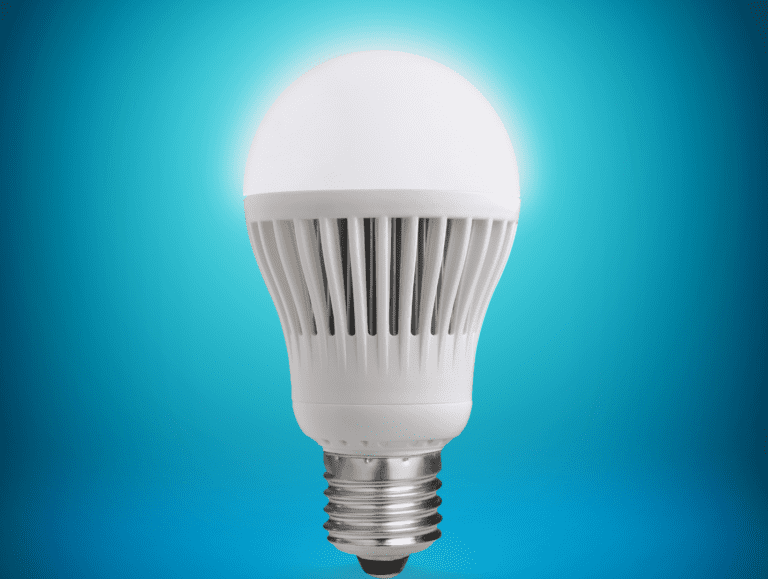
Now onto the drama! Incompatibility is like the third wheel in your lighting relationship. If your dimmer and LED are mismatched, you’re in for a flickering festival, a hum like a choir of disapproving old aunties, or worse—no relationship at all (a.k.a. no light). It’s not a soap opera; it’s just physics and a bit of bad engineering. So, how do we avoid these domestic disasters?
- Check load compatibility: your dimmer switch has a minimum and a maximum load. Ensure your total LED load falls snugly within this range.
- Look for the ‘compatible dimmer’ list: many LED manufacturers provide this. Treat it like the VIP list to the coolest club – if your dimmer isn’t on it, it’s not getting in.
And that’s it, really. Just a little wisdom and social engineering can save us from the perils of walking into furniture in the dark. Cheers to well-lit and well-dimmed evenings!
Looking for Compatible Dimmers
Finding the right dimmer for LED lights isn’t like picking out curtains; it’s more like matching a fine wine with cheese – it has to be just right. Our illumination journey has us hunting for that ideal dimmer switch that can handle the finesse of LED lighting without a flicker of protest.
Leading-Edge Vs Trailing-Edge Dimmers
Leading-edge dimmers are the old school rockers of the dimming world, and they’re often found harmonising with incandescent and halogen bulbs. Thanks to their design, which chops off the start of the voltage waveform, they might make your LEDs throw a tantrum rather than set the mood.
Now, trailing-edge dimmers − these are the smooth jazz artists in the dimmer switch concert. They slice off the end of the waveform, which is a bit more gentle and tends to be a hit with the sensitive electronics inside LEDs. Here’s a quick comparison:
| Aspect | Leading-Edge Dimmers | Trailing-Edge Dimmers |
| Bulb Compatibility | Incandescent, Halogen | LED, Low Voltage |
| Waveform Cut | Start (Leading-Edge) | End (Trailing-Edge) |
| Suitability for LEDs | Less Suitable | More Suitable |
Illuminating the How-To of LED Dimming
By now we’ve all been there, squinting under the harsh glare of an LED that doesn’t know the meaning of ‘sotto voce’. Let’s learn to tame these beams with elegance, shall we?
Adjusting the Mood Lighting
Dimming LEDs isn’t just about saving our retinas—it’s about crafting the ambience of a room like a maestro. First off, check if your LED bulbs are marked ‘dimmable’. If they’re missing this crucial detail, they’re as adjustable as a brick in a game of Tetris. Now, onto the dimmer switch; make sure it’s LED compatible, as an old-school incandescent dimmer switch has the grace of a bulldozer at a ballet when faced with high-tech LEDs.
Turn off the power – Safety first, folks!
Remove your old switch – Gently! No hammers required.
Connect your wires – Blue to blue, brown to brown, easy as putting on socks.
Install the dimmer – Screw it in, but mind the paint job.
DIY Dimmer Installation Tips
Alright, you DIY daredevils, ready your screwdrivers! But before we charge in, did we verify our circuit breaker’s off? Marvellous. LED dimmers are a different kettle of fish, so pick the right type: Leading edge, trailing edge, pick your player. And here’s the cheat code: Always follow the manufacturer’s instructions like they’re your favourite recipe.
To Dos:
- Locate that manual (it’s not lost, it’s just playing hide and seek).
- Read the wiring diagram with the dedication of a Sherlock Holmes novel.
- Double-check those wire connections. Imagine you’re weaving a friendship bracelet.
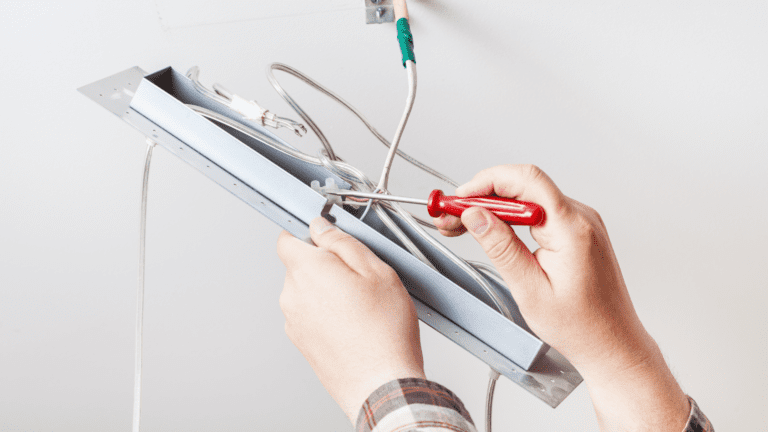
Remember, if at any point the task feels like juggling with blenders, call in a professional. Some things are best left to the pros!
Troubleshooting Dimmer Debacles
Occasionally, our trusty LED lights don’t play nice with dimmer switches, causing us quite the headache. Let’s tackle the most common dimmer issues together, like a team of lighting troubleshooters in shining armour.
DIY Dimmer Installation Tips
The Scenario: We’ve all been there, loving the brightness of our LEDs only for them to go rogue and refuse to dim.
Our first port of call is to make sure the LED bulb and the dimmer are compatible. Not all LEDs are created equal, and some are about as cooperative as a cat in a bath.
We might need to upgrade to an LED-specific dimmer to prevent our LEDs from staging a rebellion.
The Flicker Fiasco
The Plot Thickens: Our scene is set with flickering LED lights, like a low-budget horror flick.
- Loose Connections: A game of ‘find the loose wire’ can often solve the flicker. Time to play detective and tighten things up.
- Overload: Too many bulbs on a circuit can create a flicker faster than you can say “flickering fiasco”.
- Dimmer Range: Some dimmers have adjustable dials to set minimum loads, like fine-tuning a symphony, but for our lights.
Soothing the Buzzing Symphony
The Soundtrack: A hum in the background, but it’s not the latest hit—it’s our LEDs.
- Bulb Quality: Not all LED bulbs deserve a standing ovation. Sometimes, we’ve got to be ruthless critics and replace lower-quality bulbs that can’t keep the buzz down.
- Dimmer Quality: If our dimmer switch is the cheap and cheerful kind, upgrading to a better model might be the ticket to a quieter life.
- Wattage Harmony: Ensure the total wattage of our LED bulbs is within the dimmer’s capacity range. A mismatch here is like a drummer out of sync—undeniably noticeable.
By addressing these specifics, we can overcome the dimming debacles that plague our otherwise harmonious LED lighting experiences.
Perfect Sense Energy’s bespoke energy-saving solutions not only shrink carbon footprints, but also drive cost efficiency, enabling businesses to save on energy expenses in the long run!
To embark on this illuminating journey, reach out today for a no-cost desktop assessment on 01942 367 599. We’re always available to help out!