Large commercial and industrial buildings face new energy performance regulations
Large commercial and industrial buildings face new energy performance regulations shortly and many will have to meet high energy efficiency standards by 2030. Now is the time to prepare.
Here’s the stark reality. Over the last 30 years, greenhouse gas emissions from buildings have fallen by around 17% as energy efficiency has gradually improved. But over the next 30 years, we need to achieve a reduction five times greater than that if the UK is to hit its climate targets.
In other words, the energy performance of buildings is going to be front and centre of government policy in the 2020s. If you own or rent a large commercial and industrial building, pay particular attention.
The story so far for energy performance regulations
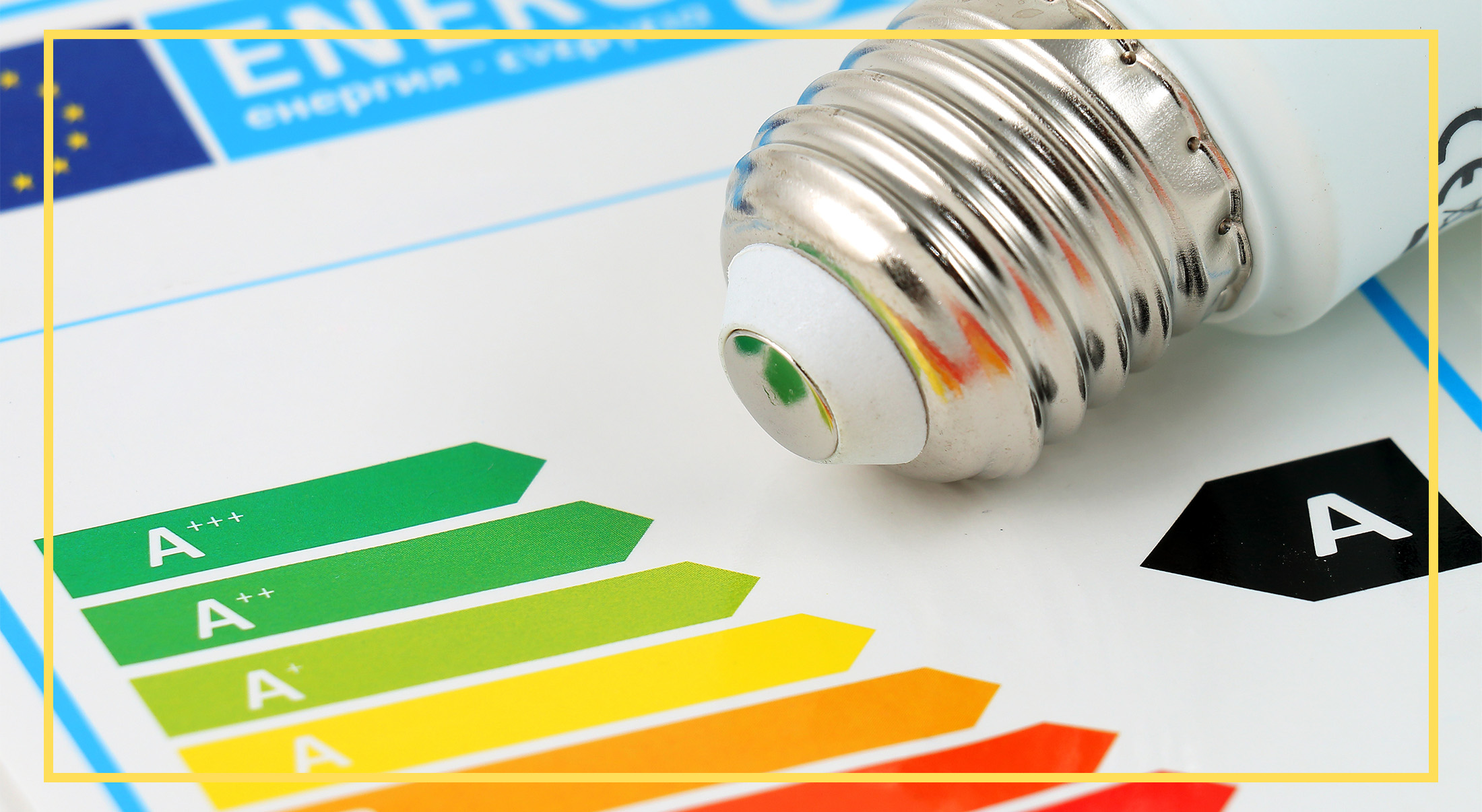
For years, building performance has been assessed by Energy Performance Certificates (EPCs). EPCs grade buildings from A to G based on their modelled energy efficiency, much like energy labels on household products. An EPC is required whenever a property is rented or sold, and they are publicly available – you can find the current EPC for your building.
Beyond EPCs, until recently there hasn’t been any direct regulation on the energy efficiency of existing buildings. But that’s now changing.
Minimum standards for rented properties
In 2018, the UK introduced Minimum Energy Efficiency Standards (MEES) for non-domestic buildings, which make it illegal to grant a tenancy lease for properties below a certain EPC rating.
The threshold is currently set at E and will ratchet up over this decade. By 2030, almost all privately rented commercial and industrial buildings in the UK will have to have an EPC rating of B or higher.

Large buildings over 1,000m2
Now, the government wants to go further by introducing mandatory performance-based energy and carbon ratings for large buildings of 1,000m 2 (10,764 ft 2 ) or more in England and Wales.
These buildings only make up 7% of commercial and industrial buildings, but they are responsible for more than half of energy use. If your building fits within this threshold, you will be under the most pressure to increase energy performance over the coming years.
Under the proposed new scheme, buildings will be rated on their energy use and related carbon emissions on an annual basis. The scheme will be based on actual metered energy consumption and will be designed to “recognise and reward all positive uses of energy” including on-site renewables like solar PV.
The ratings will be publicly disclosed online and benchmarked against similar building types, allowing stakeholders to track and compare how energy consumption and carbon emissions are being reduced over time – and hold companies accountable for inaction.
Where are we headed?
Mandatory disclosure, which will be gradually phased in from 2022/23 onwards, is what the government describes as the ‘first step’. Once the ratings are in place, the data will be used to introduce further regulation were required to accelerate improvements. In the government’s own words:
“The Government is ready to recognise businesses and landlords who have a low annual carbon footprint, and drive those who consistently emit more carbon than their peers to improve.”

What do you need to achieve?
Large buildings covered by the new ratings scheme will, on average, need to be using around 30% less energy in 2030 than they were in 2015.
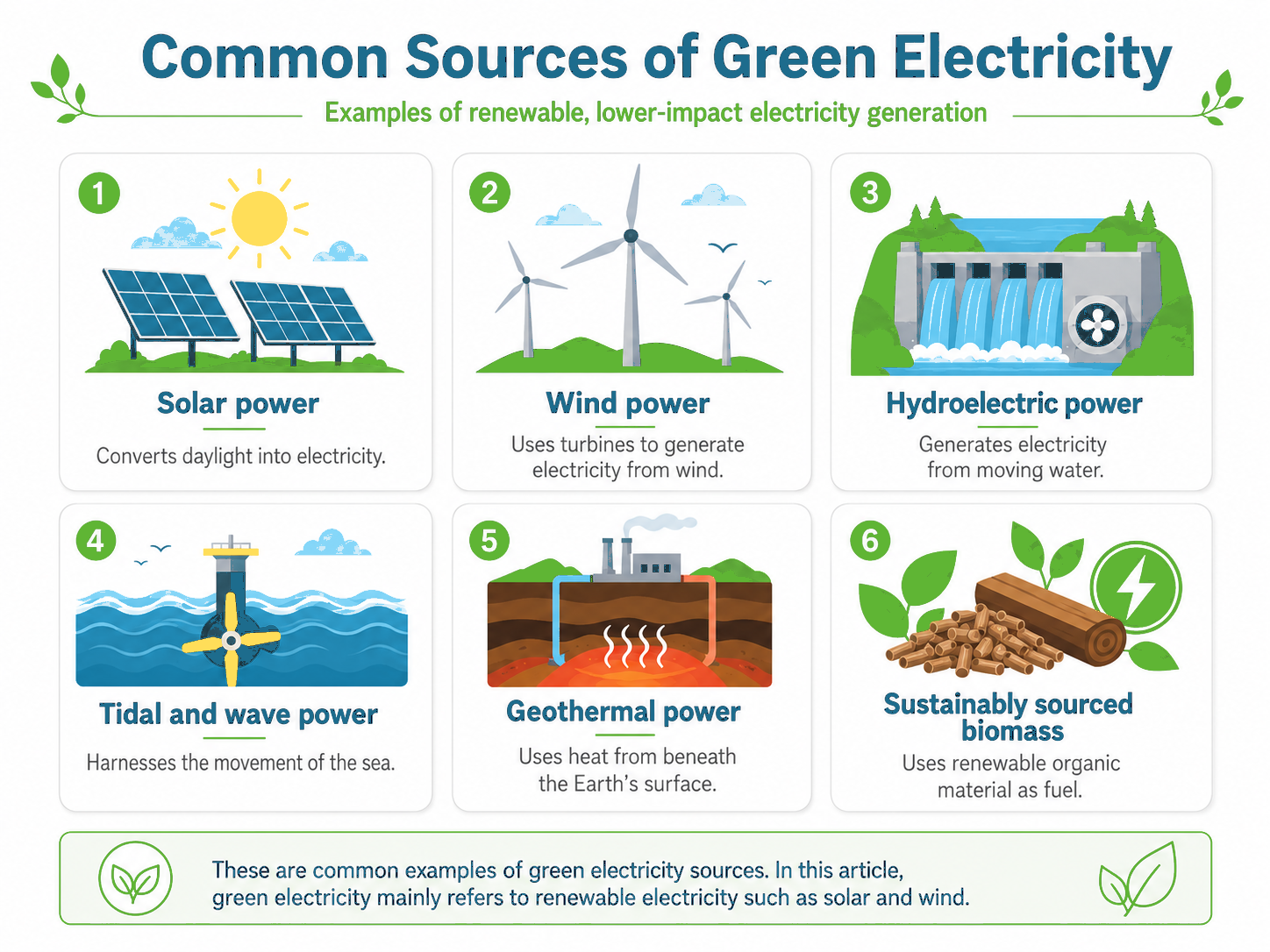
For most industrial buildings, LED lighting and rooftop solar PV are excellent ways to pre-empt the strict energy efficiency regulations coming your way.
So get ahead now – contact us today for a free Energy Saving Opportunity Survey.