
Much of the available energy forecasting advice relates to domestic consumers rather than commercial ones. Yet rising gas and electricity prices also affect businesses. From geopolitical tensions to weather patterns influencing supply and demand, your organisation may be finding it hard to plan for energy fluctuations.
To help you do so, we have laid out a potential energy price forecast as of 2026, along with key reasons why energy prices rise. Equipped with this information, it will be easier to implement practical changes to ensure your business can meet energy cost demands.
What Is the Current Energy Price Forecast for Businesses?
UK energy prices have been on something of a rollercoaster in recent years, and the ride is not over yet. According to UK government data, non-domestic energy prices have been decreasing overall since the energy crisis of 2022. From Q1 2025 to Q1 2026, electricity and gas prices reduced by 6.2% and 6.7%, respectively. In the shorter term, the road looks bumpier.
Though Ofgem’s energy price cap does not apply to businesses, it’s worth paying attention to, as it’s a good indicator to use when forecasting wholesale energy prices. For the 1 July to 30 September 2026 time period, the price cap has risen by 13%. As of July 2026, MoneySavingExpert’s latest energy price cap prediction suggests a further rise of 3.1% on average from October 2026, followed by another 2.1% increase in January 2027.
Your business should prepare for volatility if it has not done so already; the overall energy price forecast for businesses is one of continued uncertainty. The natural follow-up question is, what are the main factors driving it?
Reasons for Commercial Energy Price Fluctuations
Energy prices change for many different reasons, but some of the primary culprits fall under the following categories.
Geopolitical tension
The energy market is highly interconnected, so disruption thousands of miles away can eventually reach a UK business bill. This is why events such as the ongoing conflict in the Middle East have a knock-on effect on the energy supply chain. As of 2026, a prolonged closure of the Strait of Hormuz has hindered a critical oil and gas supply corridor. The consequence is a suffocated supply of energy that cannot keep up with high demand.
Weather patterns
Extreme weather patterns can result in an increase in heating or cooling demand, which can make demand, and by extension, prices go up. For example, during the winter of 2025/26, National Energy System Operator (NESO) data showed electricity demand reaching 47.3 GW on 5 January, the highest national demand recorded since March 2018.
Wholesale energy prices
Energy suppliers buy gas and electricity from the wholesale market before selling it to businesses and households. These wholesale costs are one of the largest influences on the final price businesses pay. However, a change in the wholesale market will not necessarily appear on your bill straight away.
Suppliers often purchase at least some of their energy through forward contracts months or years in advance. This means the price offered to your business may reflect conditions when the supplier bought the energy, rather than the market price on the day you receive the quote.
Network costs
Wholesale energy is only one part of an annual bill, with businesses also paying non-commodity operating costs such as network, metering, and government policy charges. These costs help fund everything from cables and substations to system balancing and environmental schemes, and they can rise even if wholesale prices fall.
How to Respond to Future Energy Costs
There are absolutely steps you can take to mitigate potentially unmanageable bills. Your business does not need to be at the mercy of unpredictable energy costs. Here is a practical action plan for long-term energy cost sustainability, including ways to reduce risk exposure.
1. Reduce energy consumption
The most obvious way to cut energy costs is to reduce your organisation’s gas and electricity usage. Begin by thinking about how much energy you are using and how much you really need. Depending on your premises and operations, some quick wins might include:
- replacing inefficient lighting
- installing motion or daylight sensors
- adjusting heating and cooling controls
- switching off idle machinery
- improving insulation
- maintaining refrigeration and ventilation systems
2. Compare contracts
A low headline unit rate does not always mean a contract will be cheaper overall. When comparing offers, you could cut costs by considering the unit rate alongside:
- standing charges
- contract length
- renewal terms
- pass-through costs
- payment conditions
- early termination fees
- supplier service
- whether the tariff is a fixed deal or variable
It may also help to begin reviewing your options well before the current contract ends, as leaving everything until the last minute can limit your room to negotiate.
3. Generate renewable energy onsite
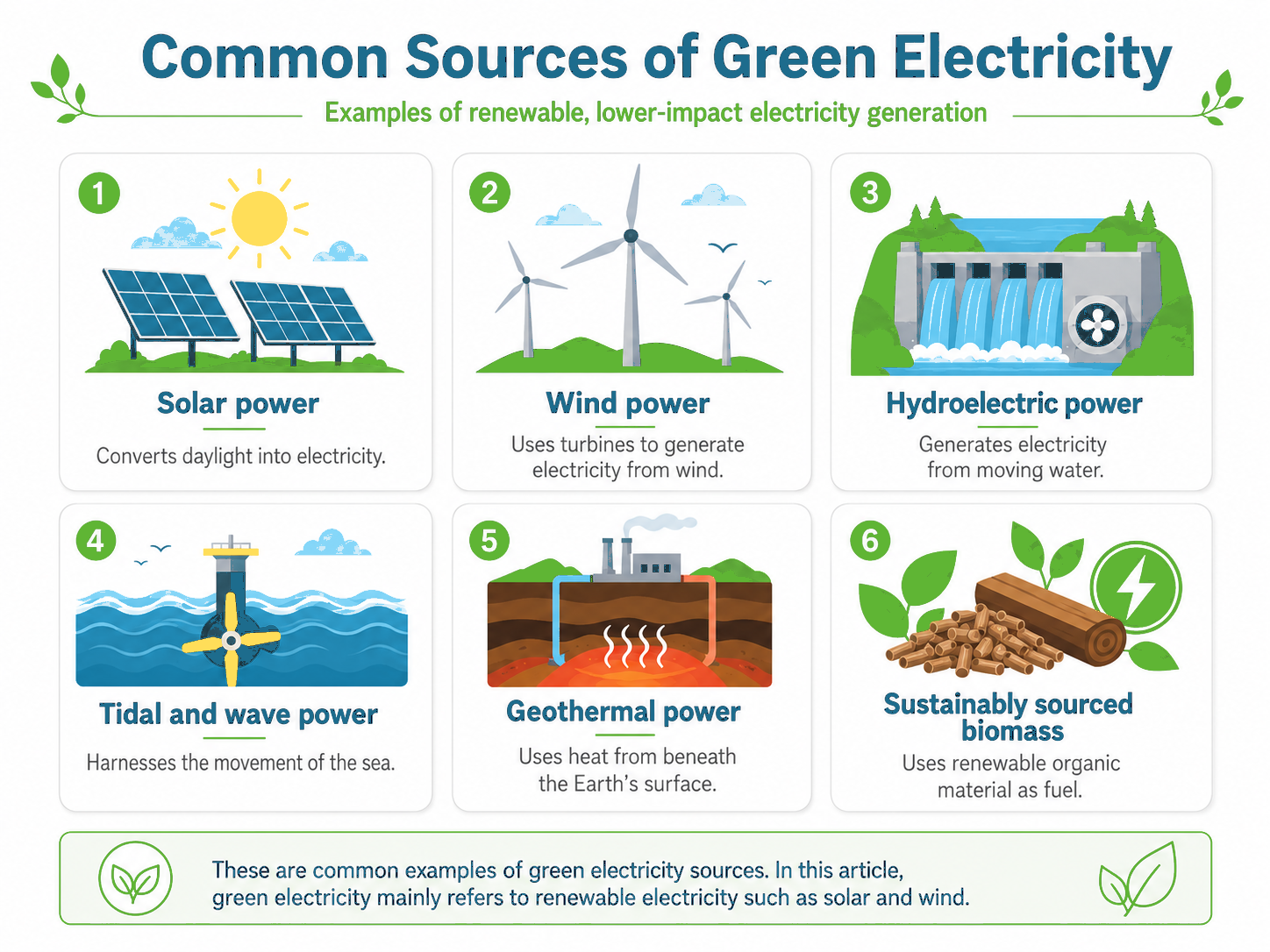
One of the most powerful ways to respond to unpredictable energy bills is to take control into your own hands and generate electricity onsite. Commercial solar panels are the obvious choice, particularly if you have swathes of unused roof space suitable for the purpose.
Think of it like placing part of your energy budget behind a seawall: the market may continue to rise and fall on the other side, but the portion being generated onsite is safe and predictable so long as the sun continues to rise. Solar is more affordable than it used to be, with solar installation companies like Perfect Sense Energy boasting a payback period of only 3-4 years on average.
Get Solar Panels to Reduce Exposure to Rising Energy Prices
Nobody can provide a completely certain energy price forecast. Global events, wholesale costs, and shifting supply and demand can all change far faster than most businesses would like. What you can do is reduce the amount of electricity your organisation needs to purchase from the grid.
With commercial solar panels, you no longer need to worry about unpredictable energy costs. Perfect Sense Energy can assess your premises, model your likely electricity generation, and install a professional system that will last for decades. The first step? See how much money your business could save:
What type of building are you looking to install solar for?
Please note, as a commercial installer, we are unable to offer solar for individual residential properties.
Start typing the first line of your business address here:
Draw a polygon on the map by clicking on corner of your roof.
Analyzing your roof area…
Where can we send the information to you?