
Sustainability reporting is fast becoming a major requirement for businesses and organisations, as investors, members, and customers take greater interest in companies’ environmental initiatives.
Environmental, Social, and Governance (ESG) reporting outlines the major sustainability activities of businesses to increase transparency and foster business accountability. KPMG’s UK ESG Assurance Maturity Survey 2025 found that across FTSE 100 businesses, 72% were reporting regulatory pressure to report ESG information.
This trend for greater business accountability has resulted in pressure from both internal and external stakeholders for businesses to increase their investments in sustainability reporting.
Many factors tie into ESG reporting, from the key elements needed for discussion to the benefits and challenges acquired in undertaking these actions. Let’s explore what companies need to know before engaging with these reports.
Why Is ESG Reporting Important?
As the discussion around climate change becomes more and more prevalent across industries, businesses are required to not only take further efforts for sustainable practices, but also accurately report these measures.
ESG reporting provides a structured framework to disclose and measure a company’s sustainable performance. Containing crucial information on a company’s long-term strategy, principles, and future aims, ESG reporting is fast becoming a factor in how organisations differentiate themselves from competitors.
A strong ESG framework is also of interest to investors. Transparent sustainability information demonstrates how an organisation plans to mitigate risks, maintain trust, and further evolve their positive impact on society and the environment.
What Are the Key Elements of ESG Reporting?
There are three key elements to ESG reporting: environmental, social, and governance. Let’s break down these elements to further understand the role they play in ESG reporting.
Environmental Impact
Measuring the environmental impact of a business is no longer an off-hand sentence in an annual report; it is highly-requested data that can win over investors and secure member trust.
Reporting on the total environmental impact of an organisation requires insight into their operations, including data on how they reduce carbon emissions, minimise pollution, or implement environmental stewardship. This outlines their ecological footprint and the measures they’re taking for continuous improvement.
Social Impact
The social aspect of ESG reporting refers to reports into the wider impact of a business on society. Organisations use ESG disclosures into their fair working practices—including good treatment of and conditions for employees—and positive benefit to local and national society.
This includes information on equality and diversity policies, providing safe and accurate training for staff, safeguarding human rights at work, and the prevention of labour abuses with key policies and guidelines.
Governance
Governance in ESG reporting refers to how leadership and business oversight promote fairness and ethical working within the organisation. The core values of a business are typically included along with data on risk management, privacy, and preventing bribery.
Financial performance is also usually addressed to provide total transparency into revenue and employee compensation.
ESG Reporting Requirements
There are both voluntary and mandatory ESG reporting frameworks for companies in the UK, depending on the size of the company and their turnover.
Mandatory ESG Reporting Frameworks
Streamlined Energy and Carbon Reporting (SERC) mandates that large UK companies must report their energy use and carbon emissions. Large companies are defined as those who meet two of the following three criteria in a reporting year: a turnover of £36m or more, a balance sheet of £18m, or employing 250 employees or more.
Compliance with these requirements is intended to improve transparency and trust between large public interest entities and their stakeholders, as well as the accuracy of reporting.
There are several other roadmaps required by authorities, such as the Task Force on Climate Related Financial Disclosures (TCDF), the Prudential Regulation Authority, and the Financial Conduct Authority, as well as Company Law, which sets out the preparation of and requirements for ESG reporting.
Voluntary ESG Reporting Frameworks
There are also several voluntary ESG reporting frameworks in the UK. Companies may make voluntary disclosures on their initiatives to align themselves with recognised codes of conducts and established ESG frameworks.
Some companies voluntarily disclose information against the TSFD recommendations. Other frameworks include the UK Stewardship Code 2026 and the UK Money Markets Code.
What Are the Benefits of ESG Reporting?
ESG reporting comes with substantial benefits for companies, from improved investor trust and reputation to better business reporting.
Regulatory Compliance
One of the biggest benefits of ESG reporting is that companies meet compliance and regulatory standards. They’ll therefore avoid penalties and the reputational damage associated with non-compliance.
ESG reporting allows companies to keep a close eye on the standards of their business, tracking progress and preparing for future initiatives or upcoming measures that could impact their performance.
Risk Management
ESG reporting is a great risk management tool as it allows businesses to understand their strategies across environmental, social, and governance areas and take appropriate action to mitigate any risks. This allows for good future-proofing, as businesses can plan strategy around identifiable trends or improve processes in problem areas.
Attracting Investors
Investors in today’s market are looking for forward-thinking companies that understand the importance of sustainability and social accountability. Businesses want to provide ESG data that demonstrates their responsible business practices and capacity for managing climate-related risks.
PwC reports that 74% of investors believe that businesses should have initiatives in place to reduce carbon emissions, and while financial performance plays a large role in determining an investor’s interest, increased interest from millennials and Gen Z on ESG reporting increases pressure on businesses to develop key ESG reporting frameworks.
ESG reporting proves that a company will integrate ESG factors into their practices and processes, not only improving their reputation as a conscious brand but also offering investors insight into a holistic business strategy.
Improved Sustainability Strategy
The final, major benefit of ESG reporting is how it can help companies transform their corporate sustainability reporting and strategy. Let’s imagine a finance company embarks on an ESG reporting journey. By monitoring ESG factors, they’re able to note exactly where their business is performing well and where improvements are needed.
They then take direct action to improve their environmental objectives and become environmentally sustainable. Their employee engagement increases—28% of employees check a potential employer’s sustainability practices—and their innovative drive to reduce waste has increased their green credentials with investors.
The benefits of ESG reporting are comprehensive and can positively impact a business from top to bottom.
What Are the Challenges of ESG Reporting?
ESG reporting also comes with its challenges, with plenty to navigate for companies new to this sustainability practice.
Changing Requirements
The climate crisis is constantly evolving, with new legislation, policies, and business expectations every year. This can make it challenging for companies to keep updated as regulations are near-constantly changing.
Establishing a well-maintained ESG reporting framework allows companies the flexibility to adapt their processes as required, as well as develop foresight into potential changes in policy that may impact them at a future date.
Data Management and Disclosure Challenges
For companies new to ESG reporting, the sheer amount of reporting requirements for compliance can seem overwhelming, especially if the software or processes don’t currently exist in the organisation. Understanding exactly what needs to be reported, to who, and how to make sense of the data gathered can seem impossible. However, the right ESG reporting software and input from environmental experts can help to gather the required ESG metrics.
Facing Allegations of Greenwashing
The term ‘greenwashing‘ was first coined by environmentalist Jay Westerveld and refers to the use of marketing and PR to paint a business and its practices as more sustainable and eco-conscious than they actually are. Westerveld was specifically referring to a hotel in Fiji, which was claiming to ‘save the environment’ with a policy on reusing towels while its land expansion proposals would cause significant damage to surrounding wildlife and habitats.
Businesses that decide to publish ESG reporting should understand their practices will be open to public scrutiny, with investors interested in their genuine efforts to create a fair and environmentally friendly society.
Implementing Cultural and Strategic Changes
ESG reporting often requires adjustments to work practices in order to comply with standards. This can include some significant changes to a company’s culture and strategy. It often involves an advanced reporting process that connects the necessary systems and prevents ESG data from becoming siloed.
Top Tips for ESG Reporting

ESG reporting can be complex for many organisations. Establishing some best practices is a fantastic way for businesses to ensure their reporting meets executive expectations, aligns with regulatory demands, and fully delivers the metrics that showcase their ESG strategy.
Establish and Maintain Data Accuracy
One of the most fundamental aspects of ESG reporting is maintaining data accuracy. Tracking ESG performance without reliable data will be next to impossible, and it could damage a company’s reputation if it isn’t fully transparent with its ESG disclosures.
Large companies automate data collection with specialised reporting software—over two thirds of UK firms consider ESG reporting software as a catalyst for innovation and a performance driver. Not only does this reduce manual labour, but it keeps organisations compliant with changing standards and policy changes.
Consider Stakeholder Expectations and Engagement
Microsoft has often been considered a global leader for their ESG reporting, which recently informed stakeholders of their efforts to be carbon negative by 2030. These efforts have also led to multiple recognition awards.
Keeping internal and external stakeholders informed of ESG initiatives is one of the best ways to build a brand reputation that prioritises fair and ethical business practices. Engaging stakeholders in ESG reporting at early stages keeps them in the loop regarding environmental activities.
This demonstrates that their input is valued and highlights how their concerns have been addressed in strategic reports.
Integrate ESG Reporting with Overall Strategy
For the most comprehensive results, businesses should integrate their ESG reporting with their overall business strategy. Companies can enhance their decision-making and achieve core objectives when their ESG targets are aligned with business goals.
If ESG reporting is siloed from systems and processes, then business goals can become fragmented and more challenging to reach. Using recognised ESG frameworks is one of the best ways companies can make sure they meet regulations.
Investing in a Sustainable Future
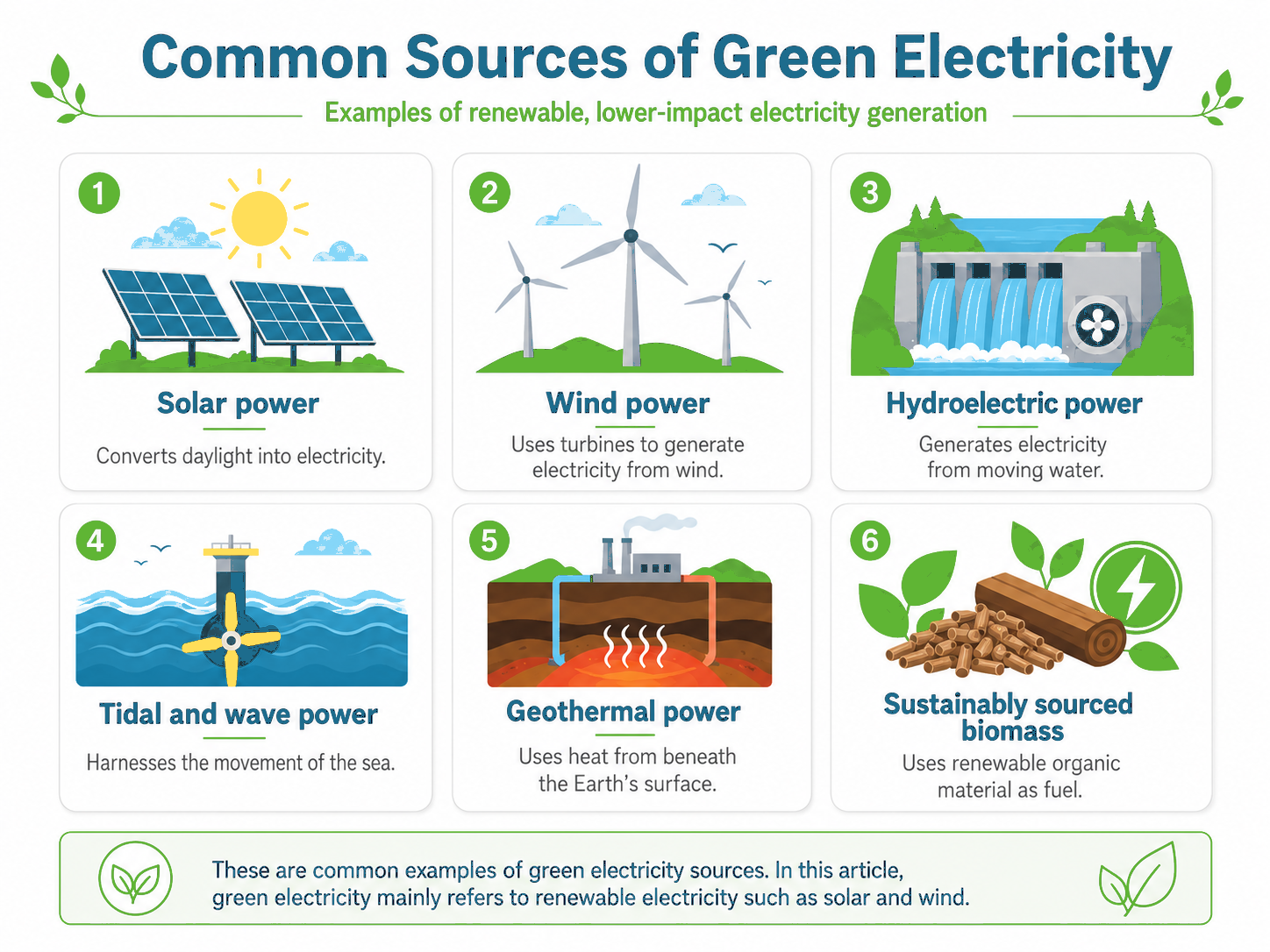
Companies seeking to make a difference to their ecological footprint and bolster their ESG reporting should consider investing in solar energy. With supportive government funding in place and solar panels perfect for a range of sectors, hundreds of businesses are making the jump to solar power.
If you want more support in developing your ESG initiatives alongside renewable plans, take a look at our detailed guide to the UK’s ESG reporting requirements.
Ready to explore more sustainable options for your company? Perfect Sense Energy’s solar specialists are best equipped to provide you with your ideal energy solution, delivering high-quality service and exceptional customer support from beginning to end.
Get in touch or give us a bell on 01942 367 599 to discuss your commercial solar panel needs.