

As climate change becomes an increasingly urgent challenge, more businesses are stepping up to play their part. Whether it’s driven by environmental values, customer expectations, or upcoming regulations, the move toward carbon neutrality is good for the planet AND your business.
But what does going carbon-neutral actually involve? And how can you realistically achieve it by 2030? Here’s a 7-step roadmap to help your organisation reach net-zero emissions by 2030.
1. Measure Your Carbon Footprint
You can’t manage what you haven’t measured. The first step toward becoming carbon-neutral is understanding your current carbon footprint. This includes:
- Scope 1: Direct emissions from owned or controlled sources (e.g. company vehicles)
- Scope 2: Indirect emissions from purchased electricity or heat
- Scope 3: All other indirect emissions, including supply chains, business travel, and waste
Using a professional audit or carbon accounting tool will help you build an accurate baseline. From there, you can begin to prioritise areas with the biggest impact.
2. Set a Clear Net-Zero Target
Once you know where you stand, it’s time to decide where you’re going. Set a clear carbon-neutral goal for 2030 and establish interim milestones to keep your business on track.
Aligning your targets with frameworks like the Science-Based Targets initiative (SBTi) will give your strategy more credibility and confidence to your stakeholders.
3. Reduce Energy Consumption
Reducing your energy demand is often the quickest and most cost-effective way to cut emissions. Start with:
- Upgrading to LED lighting
- Improving insulation
- Installing energy management systems
Simple behaviour changes—like switching off unused equipment—also make a difference.
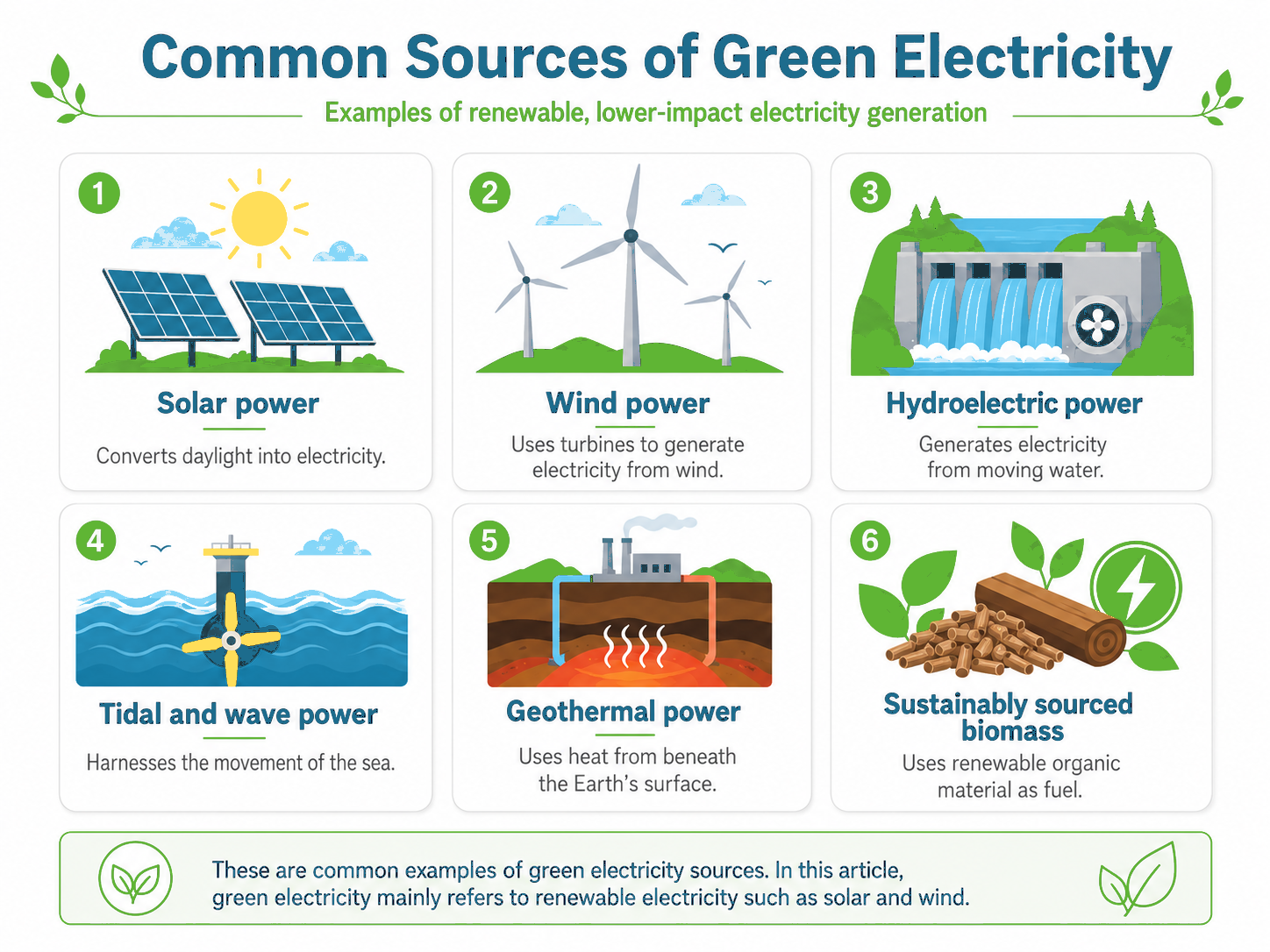
4. Switch to Renewable Energy
Once you’ve reduced your energy use, it’s time to power what’s left with clean energy. That could mean:
- Installing solar panels on-site
- Switching to a green energy tariff from your supplier
Renewable energy solutions not only reduce emissions; they can also cut energy bills and protect your business from future price volatility.
5. Electrify and Upgrade Your Fleet and Equipment
The journey to net-zero is about how you heat your premises and power your transport.
- Transition company vehicles to electric or hybrid models
- Replace gas heating systems with heat pumps
- Upgrade outdated machinery for more efficient models
In this process, you should look out for government grants or incentives to help offset initial costs.
6. Offset What You Can’t Eliminate (Yet)
Even with the best efforts, some emissions may remain—especially in Scope 3. That’s where carbon offsetting comes in.
Invest in high-quality, verifiable offset projects such as:
- Reforestation initiatives
- Methane capture schemes
- Carbon removal technologies
Offsets should be seen as a last resort—not a shortcut—while you continue working on direct reductions.
7. Monitor, Report, and Keep Improving
Carbon neutrality isn’t a one-and-done project. To stay on track, your business needs to:
- Regularly track and report emissions
- Stay up to date with technology and regulation changes
- Share progress transparently with customers and stakeholders
This ongoing process helps maintain momentum, credibility, and impact over time.
Let’s Build Your Net-Zero Roadmap
Becoming a carbon-neutral business by 2030 is ambitious but achievable. It starts with a plan, and the right partners to help you deliver it.
At Perfect Sense Energy, we support businesses every step of the way, from reducing energy waste to installing on-site renewables and everything in between. Let’s talk about your carbon-neutral roadmap.
FAQs
What does it mean for a business to be carbon-neutral?
A carbon-neutral business balances the amount of carbon it emits with the amount it removes or offsets. This is done by reducing emissions through energy efficiency and clean energy, then using verified carbon offset projects to neutralise any remaining emissions.
How can a business measure its carbon footprint?
A business can measure its carbon footprint by calculating Scope 1 (direct), Scope 2 (indirect from energy use), and Scope 3 (indirect from supply chains, travel, etc.) emissions. This is typically done using carbon accounting tools or with help from sustainability consultants.
What are the main steps to make a business carbon-neutral?
The main steps to become carbon-neutral include:
- Measuring your carbon footprint
- Setting a net-zero target
- Reducing energy use
- Switching to renewable energy
- Electrifying fleet and equipment
- Offsetting unavoidable emissions
- Monitoring and improving over time
How long does it take to make a business carbon-neutral?
Becoming carbon-neutral typically takes several years, depending on your current emissions and resources. Many businesses aim to reach net-zero by 2030, starting with quick wins like energy efficiency, followed by long-term upgrades and offsetting strategies.
What is the cost of going carbon-neutral for a business?
The cost of going carbon-neutral varies by business size and current energy use. However, many steps—like improving efficiency and installing solar panels—can lead to long-term savings. Government incentives may also help reduce upfront investment.