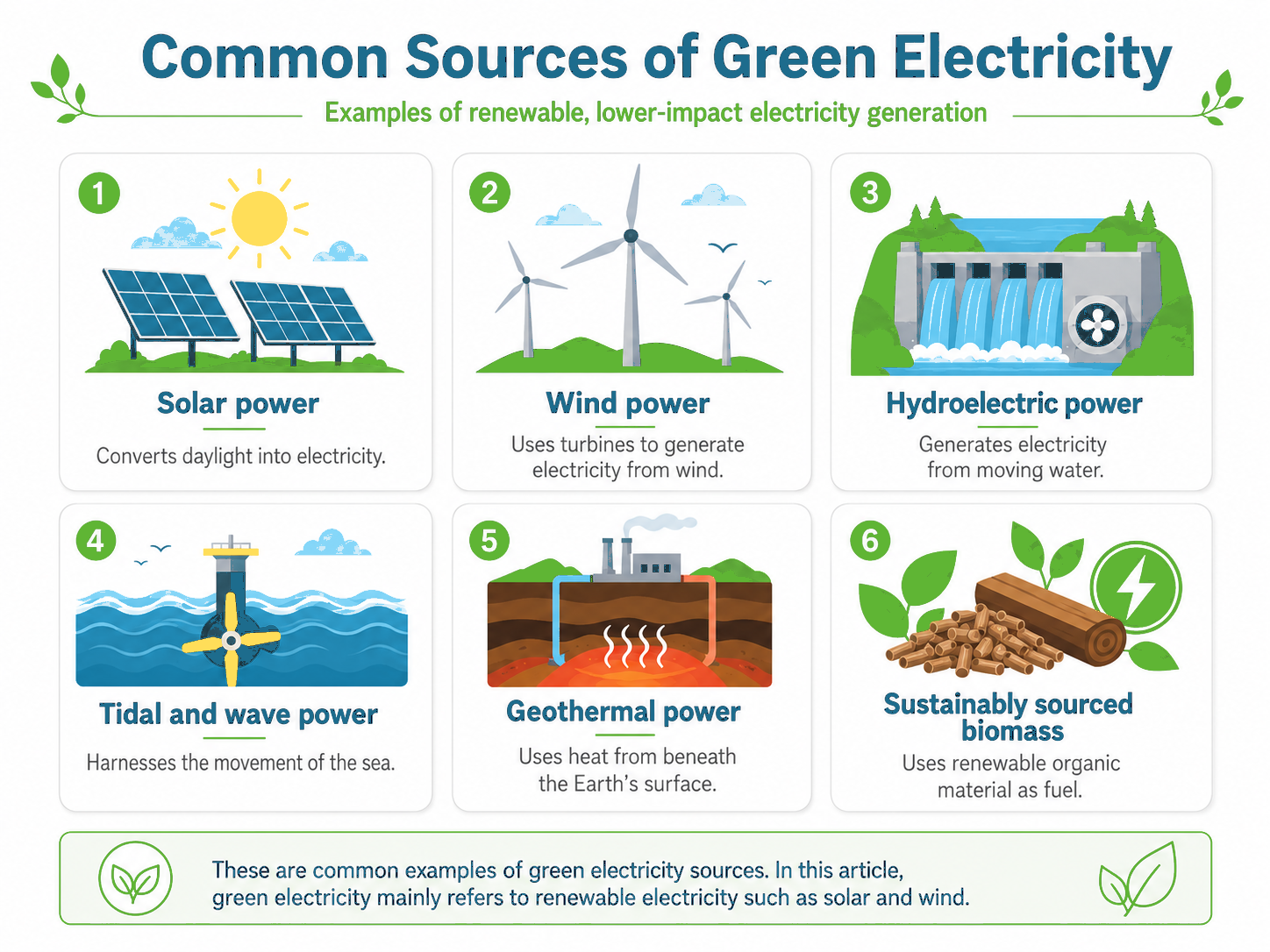


Working with a startup can offer distinct advantages, especially when it comes to sustainability. Energy startups are typically more responsive, more experimental, and more customer-focused than their larger counterparts. They’re also uniquely positioned to deliver breakthrough innovations that help businesses like yours reduce costs, boost sustainability, and stay ahead of market trends.
With energy challenges growing more complex and climate targets looming large, there’s never been a better time to partner with a startup that aligns with your goals!
1. Perfect Sense Energy

Description: The UK’s top business solar provider, Perfect Sense Energy, delivers unmatched quality and value. The company specialises in the design, supply, installation, and maintenance of renewable energy technologies for commercial clients. With over a decade of experience, they help businesses buy better, use less, and generate their own energy. They have powered leading organisations throughout the UK, focusing on energy efficiency and sustainability.
Office Location: Leigh, England
Year Founded: 2010
Team Size: 11–50 employees
Industries Served: Commercial buildings, manufacturing, education, healthcare, agriculture
Case Studies: View all case studies
2. Octopus Energy
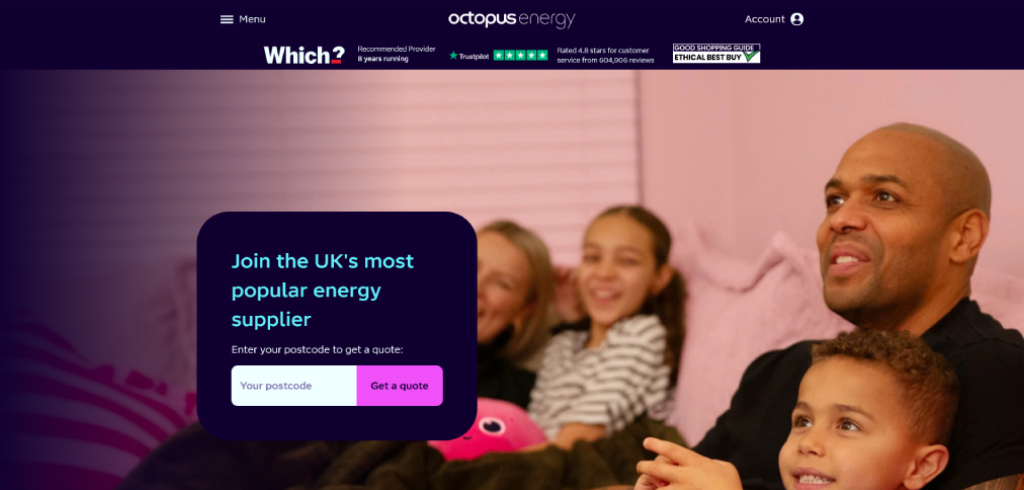
Description: Octopus Energy is a renewable energy supplier known for its customer-centric approach and innovative technology. Their proprietary platform, Kraken, manages energy supply and customer service, enabling dynamic pricing and efficient operations. Octopus has rapidly expanded, becoming the UK’s largest electricity supplier.
Office Location: London, England
Year Founded: 2015
Team Size: 1,001–5,000 employees
Industries Served: Residential, commercial, technology
Case Studies: View a case study
3. Zenobe Energy
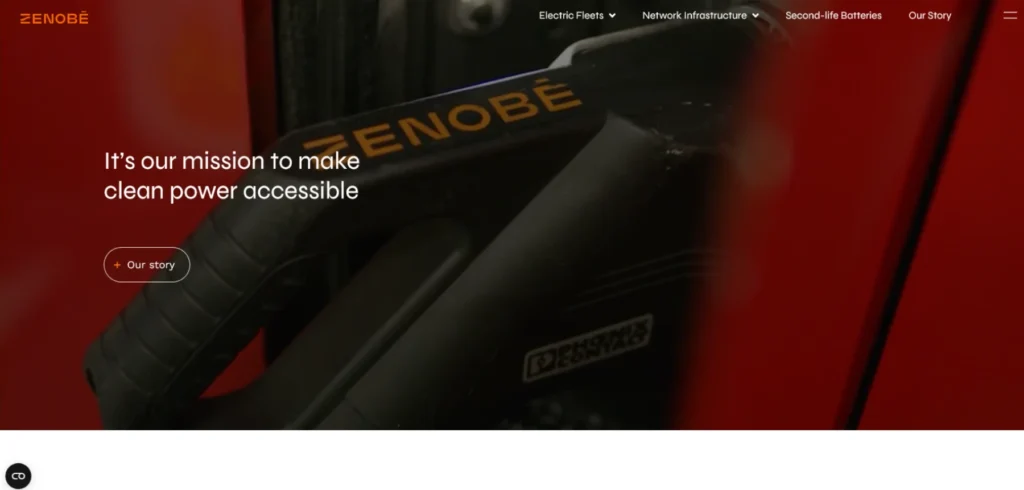
Description: Zenobe Energy is a leader in battery storage and electric vehicle (EV) fleet solutions. They develop and operate large-scale battery storage projects to support grid stability and renewable energy integration. Zenobe also provides end-to-end EV fleet solutions, including charging infrastructure and fleet management software.
Office Location: London, England
Year Founded: 2016
Team Size: 201–500 employees
Industries Served: Transportation, utilities, renewable energy
Case Studies: View all case studies
4. Oxford Photovoltaics
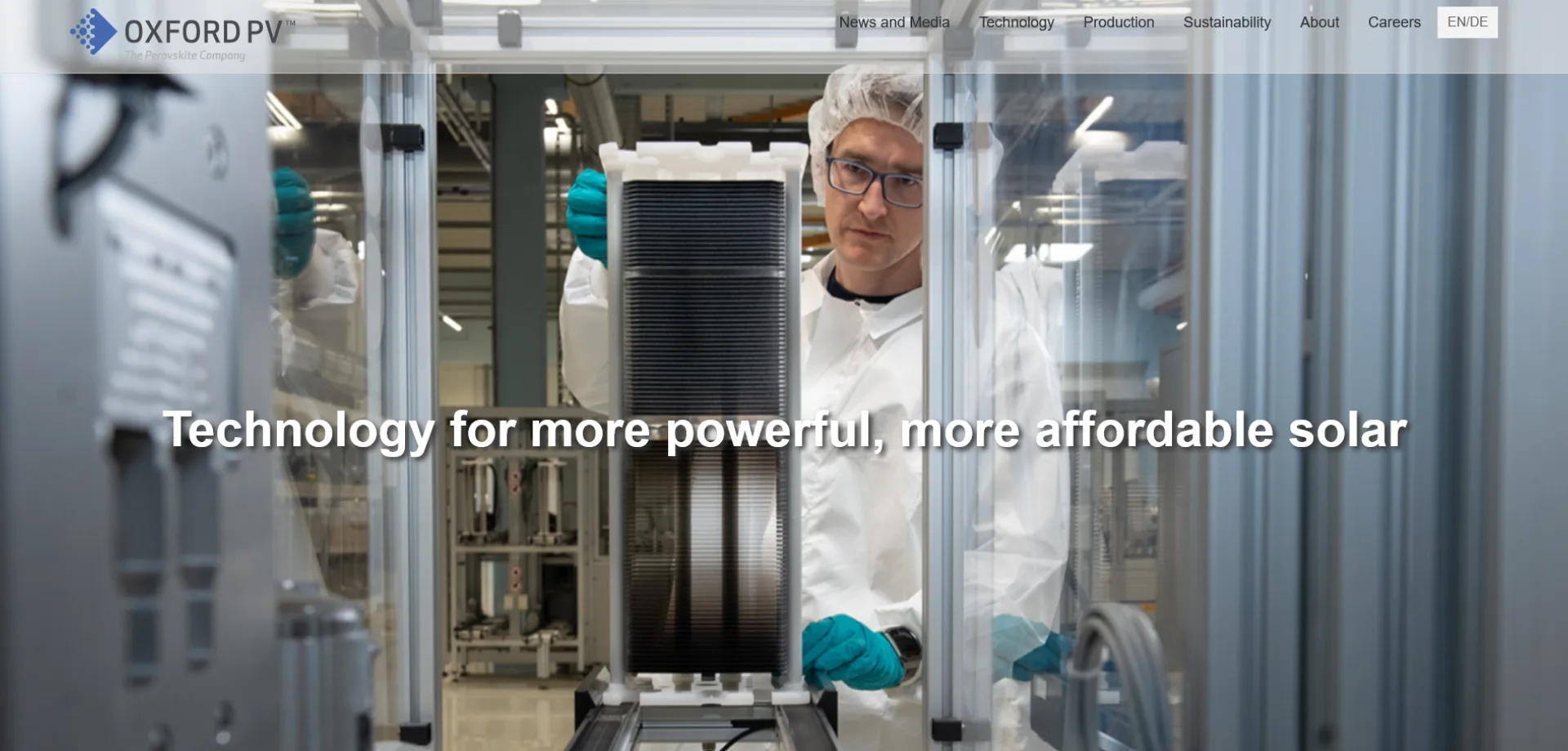
Description: Oxford Photovoltaics is a spin-out from the University of Oxford, focusing on the development of perovskite solar cell technology. Their innovative solar cells aim to significantly increase the efficiency of solar panels, contributing to the advancement of solar energy.
Office Location: Kidlington, England
Year Founded: 2010
Team Size: 51–200 employees
Industries Served: Renewable energy, manufacturing, research and development
Case Studies: Not available
5. Highview Power

Description: Highview Power develops long-duration energy storage solutions using liquid air energy storage (LAES) technology. Their systems store excess renewable energy by cooling air to a liquid and converting it back to electricity when needed, aiding grid stability and energy security.
Office Location: London, England
Year Founded: 2005
Team Size: 51–200 employees
Industries Served: Utilities, renewable energy, infrastructure
Case Studies: View all case studies
6. Field Energy

Description: Field Energy focuses on financing, building, and operating renewable energy infrastructure, starting with battery storage projects. They aim to accelerate the transition to net-zero by developing large-scale energy storage solutions.
Office Location: London, England
Year Founded: 2020
Team Size: 51–200 employees
Industries Served: Utilities, renewable energy, infrastructure
Case Studies: View all case studies
7. UrbanChain
Description: UrbanChain operates a peer-to-peer energy exchange platform that connects renewable energy generators directly with consumers. Their platform aims to make energy trading more transparent and cost-effective, promoting the use of renewable energy sources.
Office Location: Manchester, England
Year Founded: 2017
Team Size: 51–200 employees
Industries Served: Energy markets, renewable energy, technology
Case Studies: Not available
8. Paua Tech

Description: Paua Tech provides an electric vehicle (EV) charging network aggregator platform, offering a single access and payment solution for all public EV chargers in the UK. Their platform simplifies EV charging for businesses and fleet operators.
Office Location: Clacton-on-Sea, England
Year Founded: 2019
Team Size: 11–50 employees
Industries Served: Transportation, fleet management, renewable energy
Case Studies: Not available
9. Aegis Energy
Description: Aegis Energy develops clean energy hubs across the UK, providing infrastructure for electric charging, hydrogen, bio-CNG, and HVO fuels. Their facilities support the transition to low and zero-emission commercial transportation.
Office Location: London, England
Year Founded: 2022
Team Size: 11–50 employees
Industries Served: Transportation, logistics, renewable energy
Case Studies: Not available
10. About: Energy

Description: About: Energy provides battery testing and data analytics services to support the development and deployment of energy storage technologies. Their insights help improve battery performance and lifespan, aiding the growth of renewable energy storage solutions.
Office Location: London, England
Year Founded: 2021
Team Size: 11–50 employees
Industries Served: Renewable energy, automotive, technology
Case Studies: Not available
The Bottom Line
As the world pivots towards net zero, it’s the startups that often lead the charge in making sustainable change both accessible and practical. These ten UK-based innovators prove that you don’t need to be the biggest to make a significant impact.
If you’re ready to explore what a tailored, expert-led energy solution looks like, then it’s time to speak to the leaders in commercial renewables. Contact Perfect Sense Energy today and start making smarter energy decisions for your business!
Below is a curated selection of ten dynamic UK energy startups, evaluated and ranked according to specific criteria explained further down.
Evaluation Methodology
| Criterion | Weight (%) | What We Assess |
| Innovation in Service Offering | 25 % | Novelty of technology, uniqueness of products or business model, and demonstrated R&D breakthroughs. |
| Market Impact & Growth Potential | 25 % | Current market traction, scalability, funding rounds, partnerships, and projected expansion. |
| Client Base & Industry Reach | 20 % | Size and diversity of customer portfolio, sectors served, and geographic coverage. |
| Sustainability Credentials | 15 % | Verified carbon‑reduction impact, alignment with net‑zero goals, third‑party certifications, and transparent ESG reporting. |
| Team Expertise & Leadership | 15 % | Founders’ track record, depth of domain knowledge, advisory board strength, and evidence of effective execution. |
FAQs
1. What are energy startups, and why are they important?
Energy startups are innovative companies focused on creating sustainable, efficient, or alternative energy solutions. They play a critical role in accelerating the global energy transition by introducing breakthrough technologies in solar power, smart grids, electric mobility, and energy storage—helping reduce carbon emissions and reliance on non-renewable sources.
2. How do I evaluate the best energy startups to watch or invest in?
To identify top energy startups, consider factors such as the innovation of their technology, scalability, leadership team, market demand, funding stage, and partnerships. Look for companies addressing major pain points in energy production, storage, or distribution, with a clear path to growth and impact.
3. What sectors are energy startups disrupting right now?
Energy startups are disrupting multiple sectors including:
- Renewable generation (solar, wind, geothermal)
- Energy storage (batteries, hydrogen)
- Smart grid tech (IoT-enabled infrastructure)
- Electric mobility (EV charging, battery swapping)
- Carbon capture and management
These innovations help make energy systems cleaner, smarter, and more accessible.
4. Are government policies supporting energy startup growth?
Yes, many countries offer subsidies, tax credits, and regulatory support for clean energy innovation. Policies like the U.S. Inflation Reduction Act, EU Green Deal, and local clean tech grants are creating favourable environments for startups to grow, scale, and attract investors.
5. Is it worth investing in clean energy?
Yes, investing in clean energy is increasingly seen as a smart financial and environmental move. Clean energy startups often benefit from government incentives, growing consumer demand, and global sustainability goals. As the world shifts away from fossil fuels, early investments in renewable technologies like solar, wind, and battery storage can offer both long-term returns and positive impact.