
Sustainability has become a significant issue for many companies, not just in the UK but across the globe. Transparent ESG reporting is important for businesses of all sizes, from major corporations down to small- and medium-sized enterprises. As we move forward into a new era of green energy, companies need to establish their ESG protocols and report them to the correct bodies as required.
Establishing ESG reports can also help companies discover where improvements need to be made. If a company isn’t currently aware of what it needs to disclose, legal experts and other parties can help them to establish what they should be reporting.
What are ESG Regulations?

ESG regulations are tied to three areas: Environmental, Social and Governance. They are as follows:
- Environmental: The company’s impact on climate change and its use of natural resources. This could include carbon footprint analysis, waste management, solar energy, and other steps to improve a company’s environmental impact.
- Social: How well the company supports employees, customers, communities, and other important people around them. This could include employee well-being, volunteering hours, diversity and inclusion efforts, and customer management.
- Governance: How a company chooses to approach decision-making at every level. This often includes board composition and powers, ethical policies, risk management and succession planning, and responsible investment.
Mandatory Disclosures in the UK
There is no single law that dictates reporting requirements for ESG efforts in the UK. However, some laws include ESG reporting, among other pieces of legislation. Though these laws may only apply to the largest of enterprises, companies of all sizes must be aware of them. These include:
Companies Act 2006
The Companies Act 2006 is a comprehensive piece of UK legislation that covers much more than ESG reporting. However, all companies operating in the UK must adhere to these regulations, and it includes requirements for the annual reports British-based businesses must produce.
Larger companies, with more than 500 employees or those exceeding £500 million in annual turnover, are required to include a report on energy usage and carbon emissions as part of their annual reports.
Sustainability Disclosure Requirements (SDR)
In support of the UK’s moves towards becoming the world’s first Net Zero Aligned Financial Centre, the SDR was published under the Sunak Conservative government. The UK aims to implement the International Sustainability Standards Board’s (ISSB) framework in Q1 2025.
In doing so, the Financial Conduct Authority (FCA) will be able to use these new UK Sustainability Reporting Standards to introduce new requirements for sustainability reporting for companies registered in the UK. Future changes may include decisions as to whether pre-existing requirements from the Companies Act will trigger exemptions for certain companies.
Streamlined Energy & Carbon Reporting (SECR)
Any SECR disclosures must be presented within a directors’ report. Large unquoted companies that meet two of three net thresholds — turnover of £36 million+, balance sheet total assets of £18 million+, or employees numbering 250+ — or large limited liability partnerships (LLPs) must report any UK energy usage over 40 MWh, associated greenhouse gas (GHG) emissions, and a relevant emissions intensity ratio.
Quoted companies must report much more data:
- Global scope 1 and 2 GHG emissions, with the reporting of scope 3 emissions being voluntary but highly recommended
- One relevant emissions intensity ratio
- Underlying global energy use of the current reporting year
- Figures from the previous year for both energy use and GHG
- A description of the main measures taken to increase the company’s energy efficiency across the past financial year
- A methodology presented in a recognised standard, such as the GHG Reporting Protocol, or the International Organisation for Standardisation, ISO 14064-1:2018)
Task Force on Climate-related Financial Disclosures (TCFD)
The TCFD suggests that companies disclose information across four specific areas: governance, risk management, strategy, and metrics and targets in relation to the management of climate-related risks and opportunities.
Climate-related Financial Disclosure Regulations 2022 (CRFD)
The CRFD regulations are mandatory for public interest entities, UK-registered AIM-listed companies with over 500 employees, other companies registered in the UK with more than 500 employees and turnover exceeding £500 million, traded and banking LLPs with more than 500 employees, or LLPs with more than 500 employees and turnover exceeding £500 million.
Entities within this list must set out information based on the recommendations of the TCFD but do not have to include the disclosure of GHG emissions as this overlaps with the requirements of SECR. Any climate-related financial disclosures should be presented as part of the non-financial and sustainability information (NFS) statement within a wider strategic report.
What Benefits Do ESG Regulations Offer their Companies?
ESG reporting and regulations seem complicated, but they form a vital part of non-financial reporting requirements for companies of a relevant size. By committing to this global reporting initiative and broadcasting a commitment to honesty about their carbon footprint and sustainability initiatives, a business can enjoy the following benefits:
Regulatory compliance
First and foremost, a company will be compliant with any and all regulations that it may face. These are not always from the UK government — since financial institutions in the UK must answer to the FCA — and a company should know the bodies within their industries who guide compliance.
Companies that do not comply with regulations can face fines, sanctions, and even legal proceedings against them, which in turn can affect other business matters. Maintaining full compliance even as the market changes should be a must for all companies.
Investor interest
Green investing is becoming more and more popular, with investors choosing to give their funding to companies with strong corporate governance and clear ESG disclosures. Should a company make a strong effort to be honest in their climate-related disclosures, they may find new offers of investment coming from these green-minded investments.
Operational efficiency
Best ESG practices can help to lead to overall operational efficiency across an entire organisation. When creating an energy and carbon report, be it for a supervising body or external stakeholders, a company will often present ways in which it intends to build sustainability and make improvements for the future. Choosing to build a commercial solar array and make other changes to the company to minimise waste or optimise resources and supplies can lead to greater cost savings and operational efficiencies throughout.
Reputation management
Many of the practices listed above can positively affect a company’s reputation. Maintaining compliance, regardless of the industry or protocol under consideration, will always be looked on favourably. No one wants to work with a company that has legal or compliance issues as such a partnership could affect their own reputation.
Robust ESG reporting can also appeal to a wide range of people, from potential customers to suppliers to even new employees. A positive ESG outlook and reputation may be key in attracting the latest generation of talent, Gen Z. In one study, 66% of Gen Z participants thought that environmental concerns should be prioritised over economic growth, with 27% of participants strongly agreeing with the statement. This latest generation wants to work for companies that are actively making a difference, and ESG factors are just some of the many appealing to them when they decide where they wish to work.
Build on ESG Reporting and Promises with Renewable Energy
When companies publish their financial statements and create promises to develop the initiatives set out in their ESG reports, they often begin with small and quick changes. While these are great and will play their part, larger and more long-term initiatives may deliver greater impact over time.
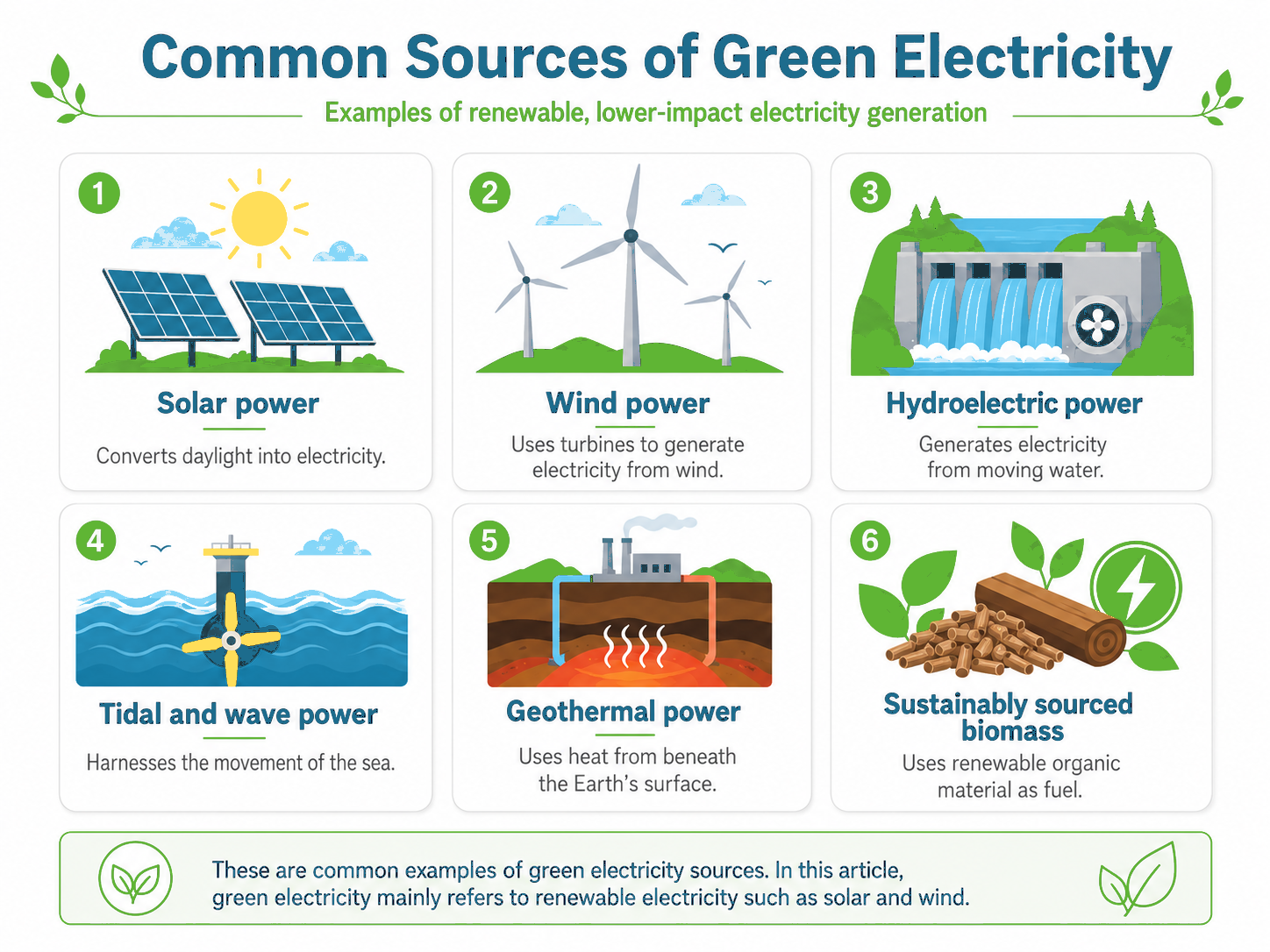
Making the switch to solar energy and installing a solar array on the roof of your commercial property helps you reduce your carbon footprint while powering your enterprise with clean and sustainable energy.
Choosing solar is a great first step towards creating the sustainable future outlined in your ESG reports. Get in touch with Perfect Sense Energy today to discover how we can bring your solar dreams and sustainable goals to life.
At Perfect Sense Energy, our solar specialists are committed to providing top-tier service and support, ensuring our solutions help you achieve your energy goals.
Get in touch or give us a bell on 01942 367 599 to discuss your commercial solar panel needs!