In our quest for more energy-efficient and cost-effective lighting options, we’ve encountered a true gem: LED lighting. As businesses across various sectors strive to reduce their overheads and carbon footprint, LED technology shines brightly as the superior choice. It’s not just about lighting up spaces anymore; it’s about doing so in the most efficient way possible. LED lights have leapfrogged over traditional alternatives such as incandescent bulbs and even compact fluorescent lamps (CFLs) due to their longer lifespan, better energy efficiency, and increasingly versatile design options.
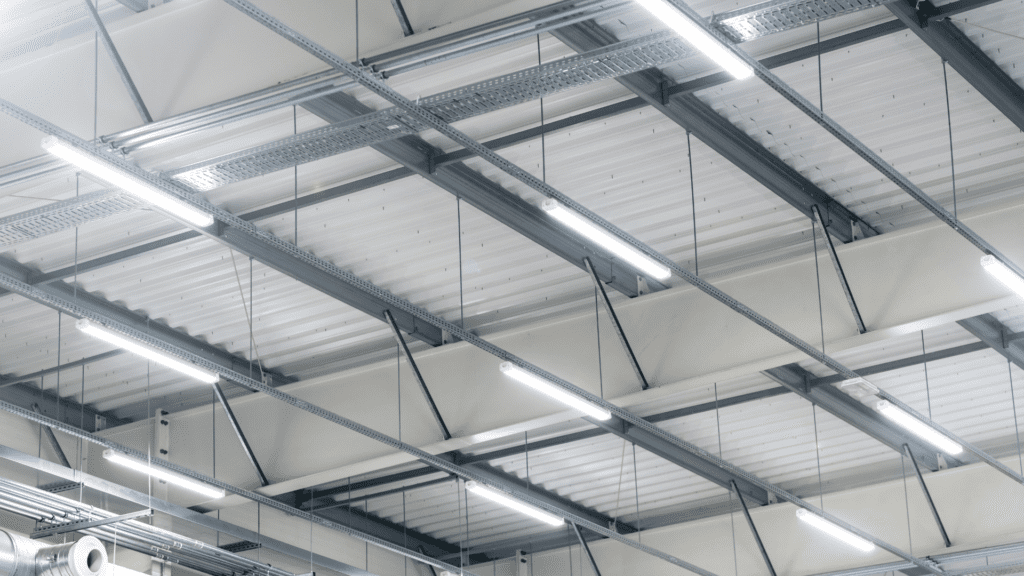
Our workplaces have undergone a remarkable transformation thanks to LED lighting solutions. Imagine walking into an office, a shop, or a warehouse that’s illuminated with a clear, bright light that mimics daylight but consumes a fraction of the energy of halogens or fluorescents. That’s the LED advantage – it’s about saving money, but also about creating a more pleasant and productive environment for everyone. The adaptability of LED lighting aligns seamlessly with the dynamic needs of businesses, offering tailored solutions that other lighting sources struggle to match.
What sets LED lighting apart is not only its ability to slash energy costs but also its minimal maintenance requirements. We’ve all experienced the inconvenience of changing a burnt-out bulb, but with LEDs, this is a rare occurrence. Our businesses benefit from the hassle-free nature of this lighting, keeping operational disruptions to a minimum. Plus, the eco-friendly aspect of LEDs cannot be overstated. As we collectively move towards greener practices, switching to LEDs is a clear step in the right direction. With energy savings and lower carbon emissions, we’re embracing an innovation that truly reflects our commitment to sustainability.
The Advantages of LED for Business Use
LED lighting has swept the market, offering businesses unparalleled benefits in energy savings, longevity, and control. Let us explore the reasons why LED lighting is the smart choice for any business.
Energy Efficiency and Cost Savings
We know that energy efficiency directly correlates with cost savings—a major win for any business’s bottom line. LED lights use up to 80% less energy than incandescent bulbs and significantly less than compact fluorescent lamps (CFLs). That’s a slimmer energy bill for us all!
- Annual Energy Usage: LEDs can save our businesses substantial amounts on our electricity bills annually.
- Heat Emission: LEDs emit much less heat than traditional bulbs, reducing cooling costs.
- Rebates and Incentives: Numerous government-led initiatives offer rebates when we upgrade to LED, sweetening the deal.
Longevity and Durability
LEDs don’t just save us money on the energy front—these robust little lights outlast competitors, boasting a life span that can extend to an impressive 50,000 hours.
Longer life spans mean we’re not constantly replacing bulbs, saving us on maintenance.
LEDs are more resistant to breakage and withstand tough conditions better than traditional bulbs. Perfect for our businesses that operate in demanding environments!
Advanced Lighting Controls
Lighting control adds another layer of efficiency and cost reduction. LEDs sync up with smart lighting systems that enable us to adjust brightness and colour.
- Dimming: Unlike other lighting technologies, dimming LEDs does not affect their lifespan or efficiency.
- Customisation and Optimisation: We can programme lighting profiles to suit our business operations, saving energy when full brightness is not required.
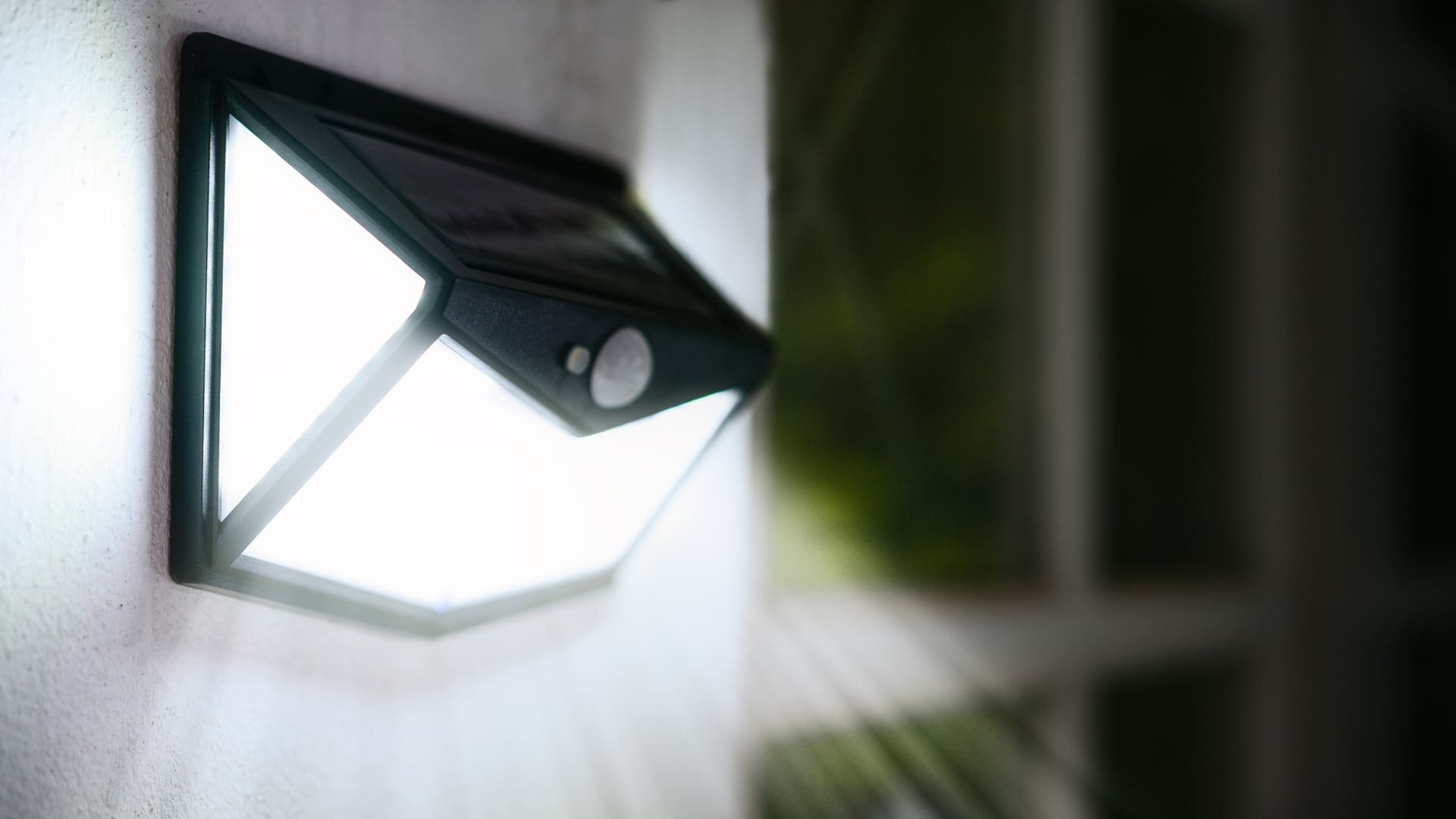
- Motion Sensors: Installing motion sensors ensures lights are only on when needed, slashing wasteful energy use further.
By integrating LED lighting into our businesses, we embrace a future of efficiency, cost-effectiveness, and advanced control that stands heads and shoulders above traditional options.
Comparison with Other Lighting Technologies
Let’s take a look at how LED lighting eclipses other forms of illumination for our businesses by contrasting it directly with conventional alternatives.
LED vs Fluorescent Lights
We often see fluorescent lights in commercial settings, but LEDs have surpassed them in efficiency. A key advantage we find with LEDs is their energy consumption; they use up to 50% less power than fluorescents. And, LEDs don’t contain mercury, making them a safer choice for our staff and clients. With an LED’s longer lifespan, we’re also cutting down on maintenance intervals and costs.
LED vs Incandescent Bulbs
When we compare LEDs to incandescent bulbs, the superiority of LEDs is even more evident. An LED uses about 80% less energy and can last up to 25 times longer. Incandescent bulbs also produce a lot of heat, which can be uncomfortable in close quarters and increase the burden on our cooling systems during warm months, whereas LEDs remain cool, enhancing our spaces’ comfort.
LED vs HID Lighting
Finally, against High-Intensity Discharge (HID) lighting, LEDs stand out for their immediate illumination without the warm-up period HIDs require. HID lights can consume an excessive amount of energy and they lose luminosity over time. In contrast, our LEDs maintain consistent brightness and performance throughout their extensive lifespan, which is crucial for business environments that demand reliability and quality lighting.

Implementation Strategies for LED Lighting in Business
Implementing LED lighting in our business can be a transformative decision. We need to consider our unique lighting requirements, available financial incentives, and the benefits of professional installation to optimise the lighting upgrade.
Assessing Lighting Needs
Before we leap into converting our existing lighting systems to LED, it’s crucial to assess our specific lighting needs thoroughly. We must examine:
- Space dimensions: Measure the areas to determine the number and type of LED fixtures required.
- Usage patterns: Evaluate how often and in what ways different spaces are used to tailor the lighting design.
- Existing infrastructure: Understand the current lighting setup to see if retrofitting is an option or if complete replacement is necessary.
Evaluating Financial Incentives
To maximise our investment in LED lighting, we must be aware of the available financial incentives that can make the transition more cost-effective. This may include:
- Government grants and subsidies: Research to discover if these can offset initial costs.
- Energy provider rebates: Some providers offer rebates for businesses upgrading to more energy-efficient lighting.
Professional Installation Considerations
While there’s an option to install LED lighting ourselves, we strongly recommend considering professional installation, which brings:
- Expertise: Specialists have the knowledge to ensure that lighting is installed correctly and safely.
- Compliance: A professional can confirm that our new LED lighting system complies with all current regulations and standards.
Perfect Sense Energy’s bespoke energy-saving solutions not only shrink carbon footprints, but also drive cost efficiency, enabling businesses to save on energy expenses in the long run! To embark on this illuminating journey, reach out today for a no-cost desktop assessment on 01942 367 599. We’re always available to help out!