Are electricity prices going to increase?
Are electricity prices going to increase? Long-term forecasting is sometimes like looking into a crystal ball, but here’s how we know electricity costs will continue to rise through the 2020s, and what you can do to keep your bill down.
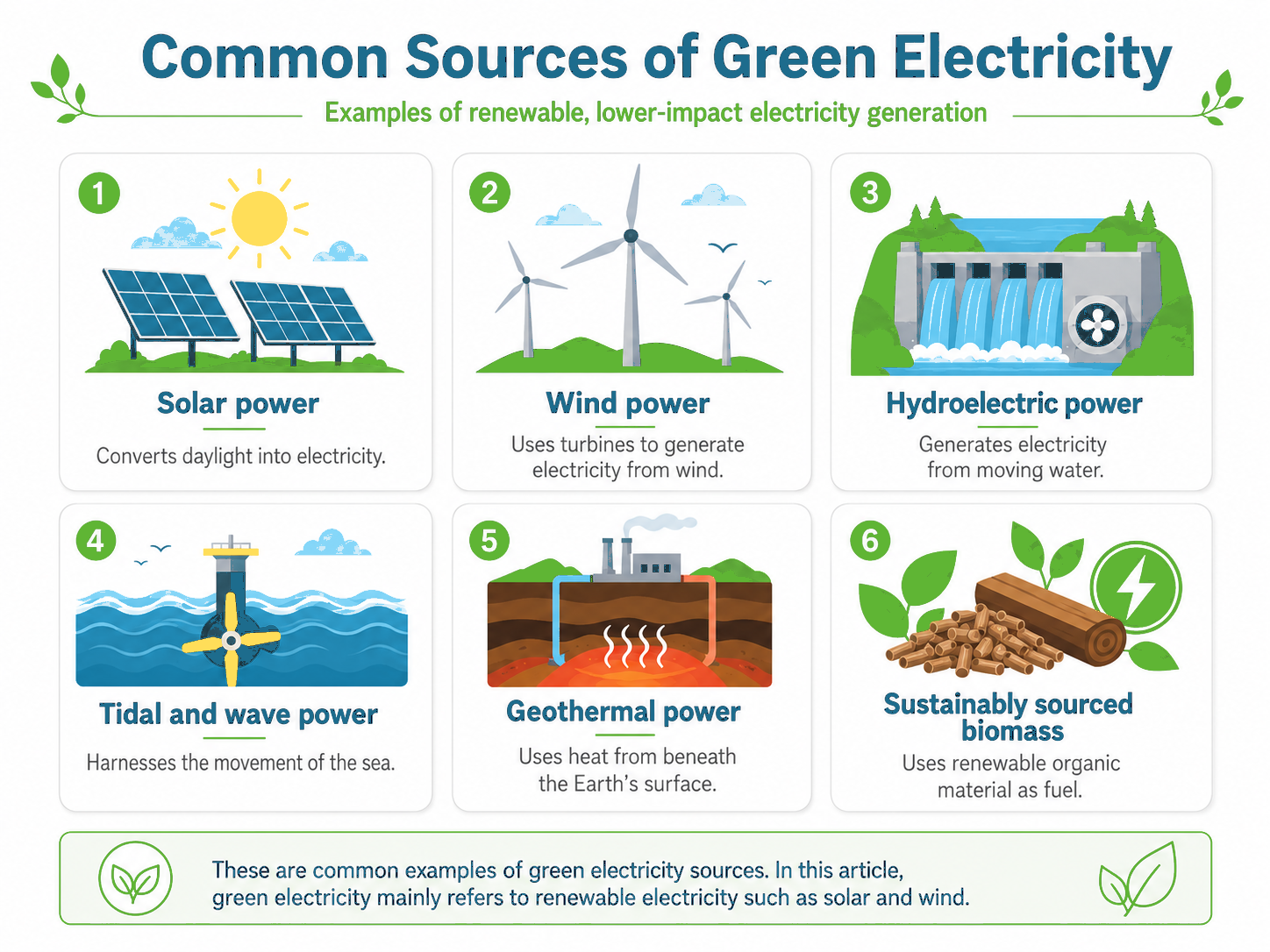
In the long term, the transition to a zero-carbon energy system is great news for your electricity bill. Renewables like wind and solar are now the cheapest form of power generation, and costs will keep plummeting as the market continues to grow. But if the cost of renewables is falling, then why are we telling you that electricity costs are going to keep rising? The answer is that wholesale electricity prices are only part of your electricity bill.

What makes up your electricity bill
So-called ‘non-commodity costs’ now make up a large, and increasing, proportion of electricity costs. They include:
- Taxes and levies such as the Climate Change Levy (CCL), which was designed to incentivise energy efficiency (currently charged at 0.775p/kWh)
- Charges added by your network operator for transmitting and distributing electricity to your business
- Ongoing and legacy costs of subsidising renewables, such as the Feed-in Tariff (FIT), which was phased out in April 2019 but continues to pay subsidies to those who installed solar PV before this date.
While taxes and levies can change, the legacy costs of subsiding renewables (which run into the billions of pounds per year) are already locked in.
Network charges are also guaranteed to increase over the coming years because of rising electricity demand.

Are electricity prices going to rise?
Over the next decade and beyond, we will see a rapid electrification of heating and transport. Homes and buildings will shift from gas boilers to electric heating, while on the road petrol and diesel vehicles will be replaced with electric models.
As a result, are electricity prices going to increase? We think so, electricity demand is expected to be 50% higher in 2035 than today, and twice or even three times as high by 2050.
Our ageing electricity network wasn’t built to handle this level of demand or the complexities of dealing with large amounts of intermittent renewables. It requires an unprecedented level of investment in new power infrastructure, which network operators will have to recoup through the charges added to your electricity bill.
Electricity North West, the network operator for the North West of England, is already investing £1 million per day in power infrastructure to prepare for a zero carbon future.

So what can you do about rising electricity prices?
What do you do when you ask yourself, are electricity prices going to increase? The best way to avoid rising electricity costs is to reduce the amount of electricity you draw from the grid in the first place. Start by improving your energy efficiency first through technologies like LED lighting, and then explore opportunities to generate your own power through solar PV on your rooftop. Solar PV will also help you to avoid relying on the grid to charge electric vehicles – especially if you combine your solar PV with batteries to store the power you generate during the day.
Energy-intensive manufacturers in certain sectors may also be eligible for the Climate Change Agreement (CCA) scheme, which provides a discount on the Climate Change Levy.
added to your bill in return for reducing your energy use and carbon emissions. Solar PV can contribute to your CCA requirements.

Expert view:
“Although we expect electricity costs to fall in the long run, we first expect costs to rise to 2030. This reflects both the costs of support for low carbon investment and costs of network reinforcement, which is also recovered through energy bills. In the early 2030s we expect low carbon electricity investment to continue to add costs to energy bills.”
The Climate Change Committee, statutory government advisor for climate change targets and policy.
If you’d like more information on how you can avoid rising electricity costs, get in touch for a free Energy Saving Opportunity Survey.