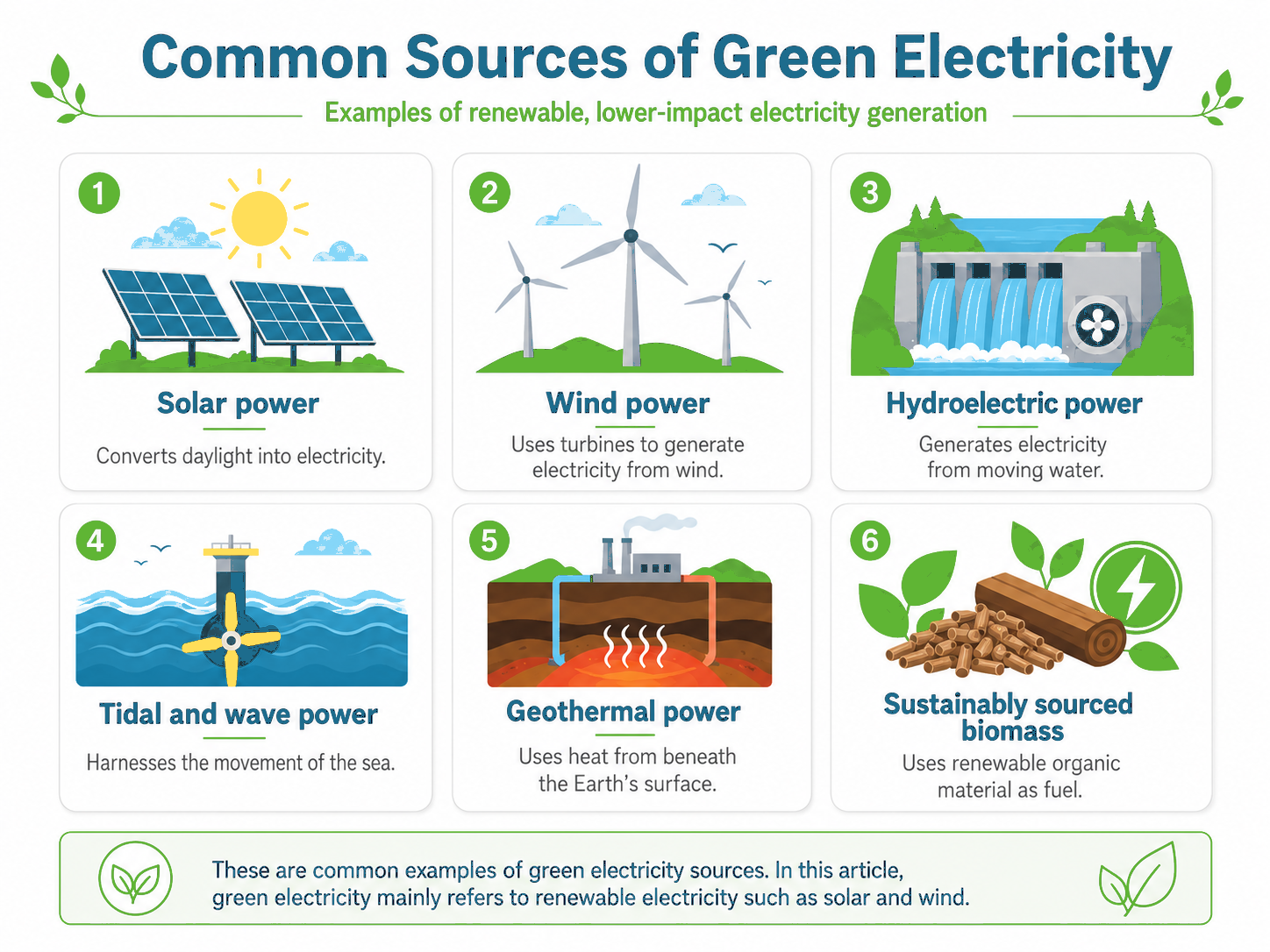

Renewable energy has taken colossal strides toward becoming the cornerstone of our global energy matrix. It’s electrifying to witness the transformation unfolding right before our eyes. Among the plethora of renewable sources, one stands out due to its astounding popularity surge. We revel in the fact that solar energy has claimed the title of the most popular renewable energy source this year. The appeal of harnessing the sun’s boundless energy is evident as we see solar panels proliferating on rooftops and vast solar farms stretching across the countryside.
The widespread adoption of solar power is a testament to our collective commitment to a sustainable future, and advancements have made this technology more efficient and affordable than ever before. The statistics are staggering – solar power has not only become the darling of the renewable energy mix but is also increasingly competitive with traditional fossil fuels.
Our reliance on solar energy is not without good reason. The environmental benefits are unparalleled, slashing carbon footprints and reducing greenhouse gas emissions dramatically. We’re truly making headway in our battle against climate change, and our fervour for cleaner energy alternatives is a powerful force propelling us forward. With solar energy projects expanding globally, we are carving a path for renewables that future generations can follow with pride.
Current Leaders in Renewable Energy
Renewable energy has seen exponential growth, and we’re excited to share that solar power, wind energy, and hydropower are leading the charge in 2024. These sources are at the forefront, revolutionising how we harness energy from nature.
Solar Power
Solar power continues to shine as one of the most popular renewable energy sources. With technological advancements, we’ve seen significant improvements in solar panel efficiency and storage capabilities. Recent data shows an impressive surge in installations, both in large-scale solar farms and domestic rooftop panels.
Wind Energy
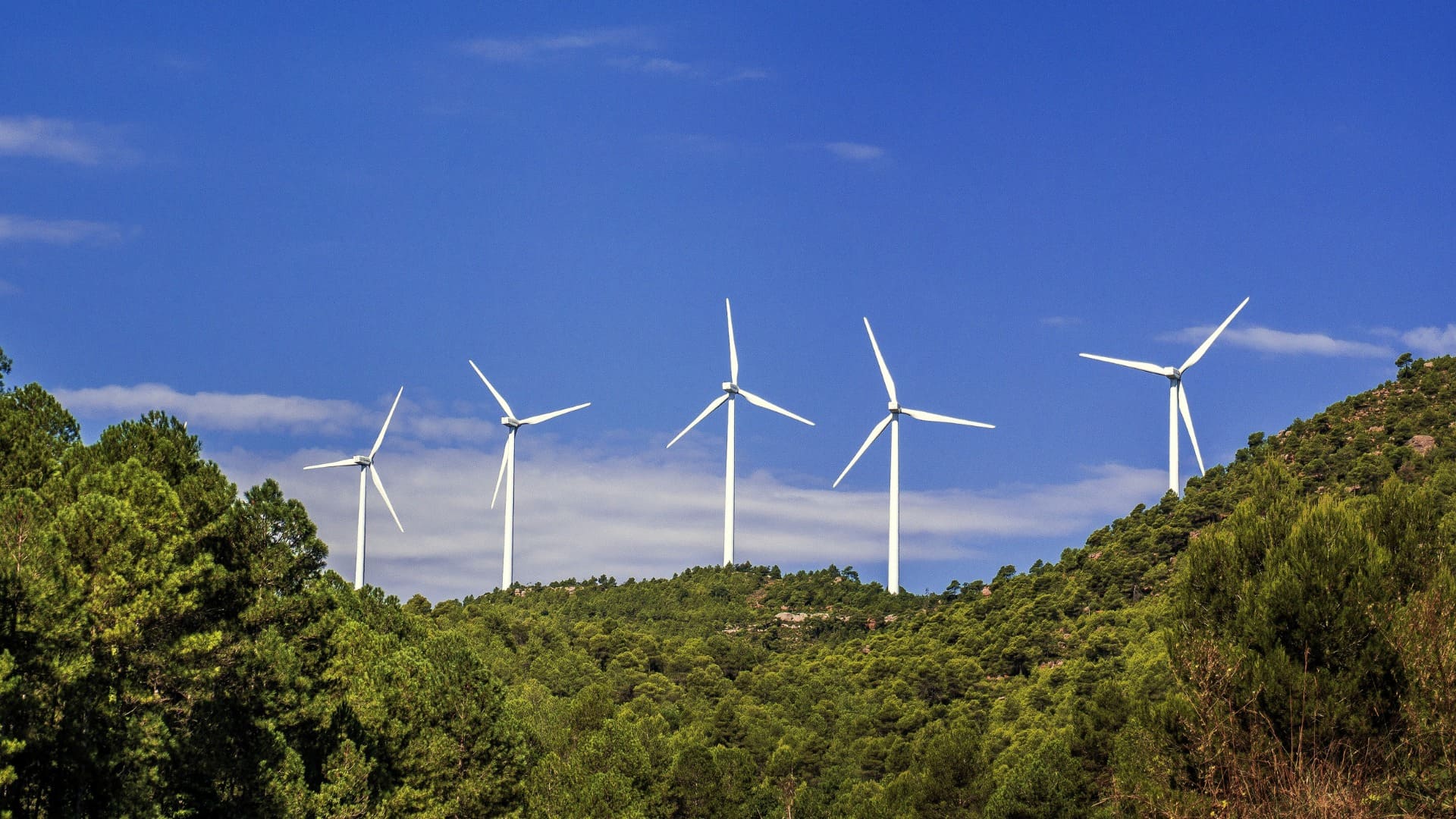
We’re blown away by the advancements in wind energy. It’s not just about onshore wind farms anymore; offshore wind projects are capturing stronger and more consistent winds, contributing to a larger share of the energy mix.
Statistics:
- Installed Capacity: Wind power has grown by double digits, demonstrating its reliability and scalability.
- Innovation: Enhanced turbine designs are increasing power output and reducing costs.
Hydropower
Hydropower is a well-established source of renewable energy, harnessing the power of water to generate electricity. While growth is more mature compared to solar and wind, hydropower still plays a crucial role in our energy system, providing a consistent and controllable source of renewable energy.
Contributions:
- Storage: Pumps storage plants offer vital grid stability and energy storage solutions.
- Flexibility: Hydropower’s ability to scale up or down quickly makes it indispensable for balancing the grid.
Factors Influencing Popularity
We are witnessing a dynamic shift in the renewable energy landscape with various factors playing pivotal roles in driving the popularity of the most favoured renewable energy sources in 2024. Through an in-depth look at cost-effectiveness, technological advancements, and policy & investment, we can unravel how these elements interplay to shape preferences and adoption rates.
Cost-Effectiveness
Renewable energy’s cost trajectory has been on a consistent decline, making it increasingly competitive against fossil fuels. Our observation highlights that solar power has achieved remarkable reductions in costs due to improved manufacturing processes and economies of scale.
Manufacturing costs have decreased due to:
- Advanced production techniques.
- Increased efficiency in material usage.
Economies of scale have been realised through:
- Growth in global manufacturing output.
- Larger installation projects driving down per unit costs.
Technological Advancements
Technological innovation has been the backbone of renewable energy’s surge in popularity. In the field of wind energy, turbine efficiency has seen tremendous gains. We particularly notice:
- Larger blades capture more wind.
- Improved materials reducing wear and tear.
- Smart grid integration optimising energy distribution and storage.
These developments bolster the operational performance and reliability of renewables, directly influencing public and commercial favour.
Policy & Investment
Government policies and financial investments play a crucial role in fuelling the growth of renewables. For instance, incentives and subsidies have made solar energy investment more appealing. Key policy instruments include:
- Smart Export Guarantees (SEGs).
- Tax credits and rebates (such as Enhanced Capital Allowances).
Investment in the sector has soared, with green bonds and renewable investment funds providing crucial capital for large-scale projects, consolidating the status of renewables as a mainstream energy option.
Impact of Popular Renewables
The ascendancy of renewable energy in 2024 has been nothing short of revolutionary, with certain sources taking the lead in our global fight against climate change. Let us explore the profound impacts of these popular renewables.
Environmental Benefits
The most noteworthy environmental impact of popular renewable energy sources is the significant reduction in greenhouse gas emissions. Our increasing reliance on wind, solar, and hydropower, in particular, has led to cleaner air and a steep decline in carbon dioxide and other harmful pollutants. These renewable options offer a replenishing supply of energy that minimises damage to our ecosystems.
- Wind Power: No emissions during operation and a relatively small land footprint.
- Solar Energy: Generates electricity with zero emissions and supports diverse ecosystems when installed on rooftops or as solar farms with sufficient land management.
- Hydropower: Produces energy without air pollution and allows for energy storage during low demand.
Economic Growth
Popular renewable energy sources have spurred economic prosperity across various sectors. At the forefront of this growth is job creation and the increase in investment opportunities.
- Boost in Employment: Our transition to renewables has opened up a vast number of jobs in manufacturing, installation, and maintenance of energy assets.
- Investment Opportunities: A rise in investor confidence has resulted in enhanced capital allocation to projects like wind farms and large-scale solar installations.
Plus, technological advancements in energy storage and smart grid applications, tied inherently to these renewable sources, have ushered in a new era of efficiency and reliability in power systems. The direct result is a robust energy market conducive to business growth and consumer benefits.
Perfect Sense Energy, your personal renewable energy tour guide, offers up bespoke energy-saving solutions. We’re not just about going green; we’re about cutting back on costs for businesses. Give us a shout on 01942 367 599 for a no-cost desktop assessment!