Without energy, UK society cannot operate. We need energy to light up our homes, farm the food we eat, and power our devices for work and connection with others. At one time, being “secure” meant having a good alarm system. Now, it means having a consistent energy supply that can support a modern lifestyle.
What Is Energy Security?
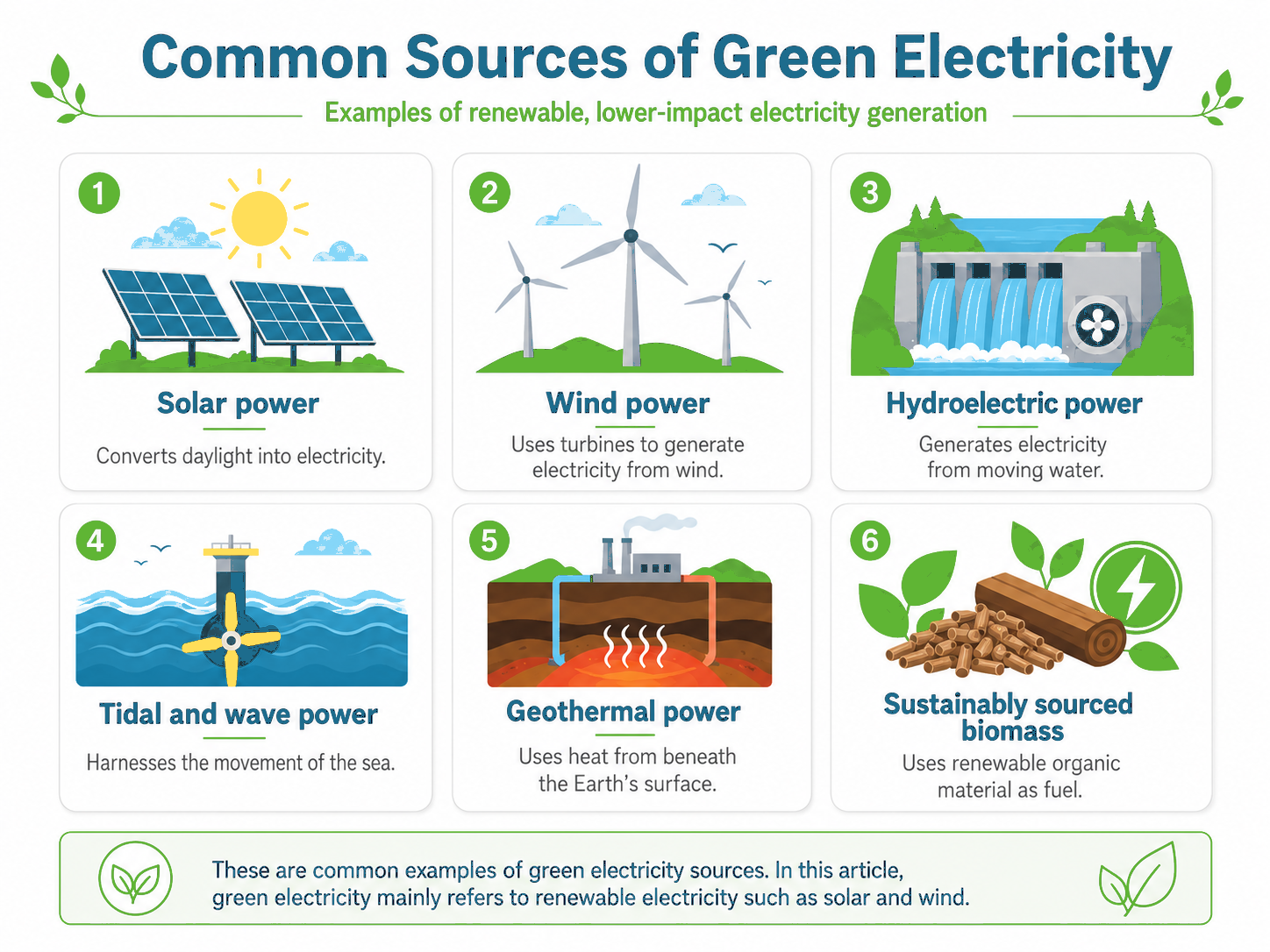
Energy security means a consistent, affordable, and reliable supply of energy for use by businesses and the general population. Lately, the term “energy security” has also been used to describe eco-friendly energy sources that don’t damage the environment or population health, such as solar and wind power.
Unfortunately, international energy security is currently at risk of running on fumes, with governments and consumers alike struggling to source the energy required for essential services.
What Are Energy Supply Challenges?
The UK is no exception to global energy security challenges, especially given our dependence on the overseas energy industry for energy solutions like oil and gas. Here are some of the core triggers for inconsistent, unaffordable, and unreliable energy distribution.
Climate Change = Increased Energy Demand
The changing climate has resulted in unpredictable weather patterns, including hotter summers and colder winters. This has increased energy demand for cooling and heating systems during extreme weather seasons. An increase in energy consumption for work and entertainment purposes may also be responsible for skyrocketing demand, with the International Energy Agency’s Electricity Mid-Year Update reporting that global electricity consumption is projected to increase by 3.3% in 2025 and 3.7% in 2026.
Geopolitical Instability = High Energy Prices
From pandemics to wars, unstable geopolitical situations provoke energy cost spikes. When Russia invaded Ukraine in 2022, for example, oil and gas prices surged, making it difficult for individuals and businesses to afford energy costs. The UK, being particularly reliant on Russian gas, had the biggest price shock in Western Europe. These high fossil fuel prices have placed an enormous strain on businesses, with some seeing their energy bills increase by as much as 70% since 2021.
Cyberattacks = Damaged Infrastructure
Like many industries, the energy sector has been subject to progressively more cyberattacks, with 9 out of 10 energy companies experiencing one in 2023 alone. Successful cyberattacks can damage infrastructure, disrupting energy distribution for essential services like hospitals and resulting in dangerous downtime that could affect critical national operations.
What Are Energy Supply Solutions?
The 2021-2023 energy crisis exposed the vulnerability of businesses dependent entirely on grid electricity supplied by fossil fuels. Thankfully, there are solutions in progress that have the potential to recharge energy independence and security for businesses.
1. Energy Efficiency and Demand Management
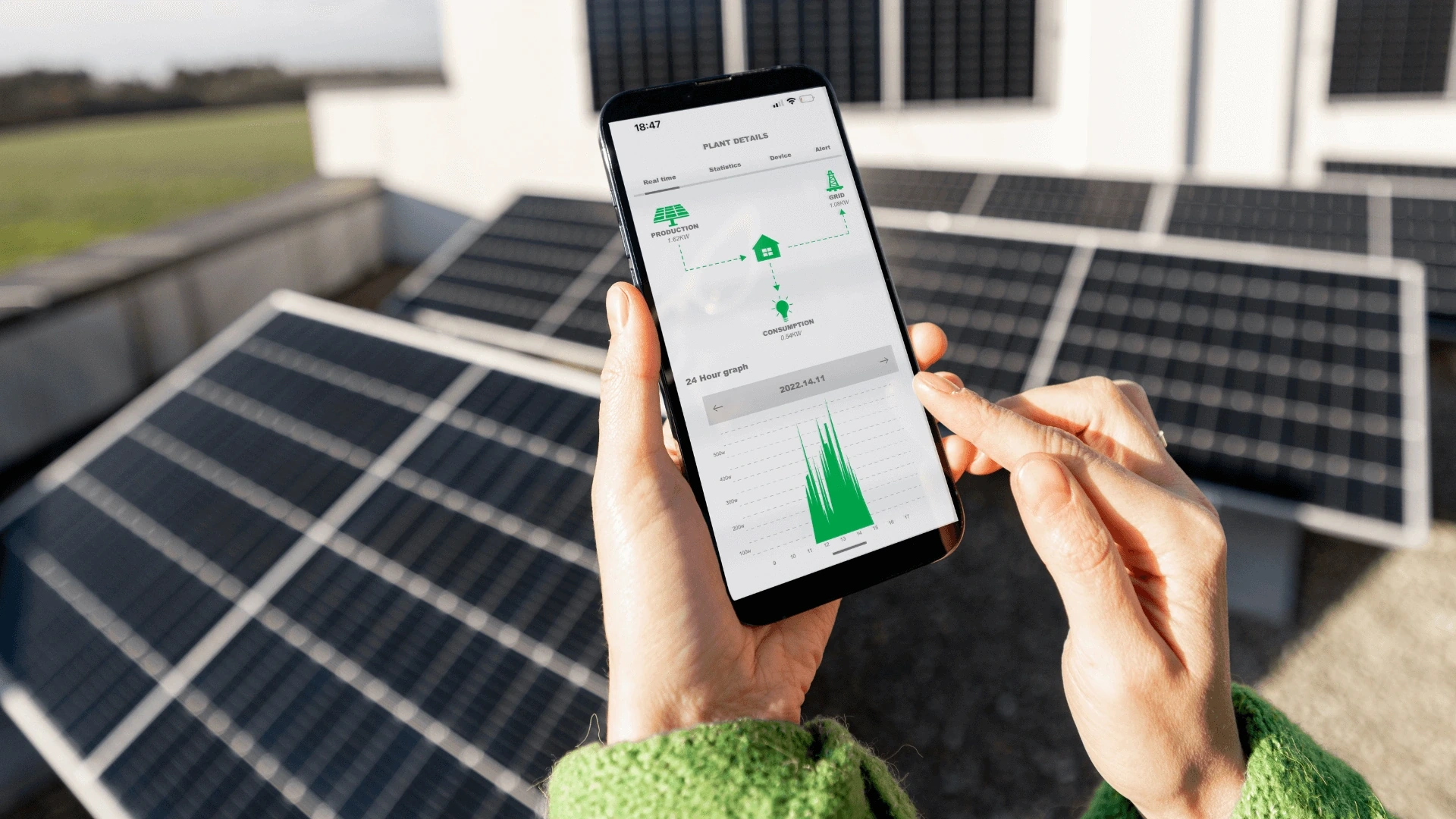
Solar power is homegrown energy, cultivated in the sunshine. In fact, modern solar panels convert sunlight to electricity with increasing efficiency (22-24% at our last count), while generating power on-site eliminates transmission losses inherent in grid delivery. The Smart Export Guarantee (SEG) also allows businesses to sell surplus energy back to the grid, creating an additional income stream while helping to balance national energy demand.
2. Energy Mix Diversification
As the UK transitions away from fossil fuel dependence, an energy mix is key to a secure energy transition. Unlike fossil fuels dependent on international trade and vulnerable to geopolitical tensions, renewable technologies can harness domestic UK energy resources that are abundant and secure. In fact, according to a recent report by Ember, 100% of the UK’s electricity can be sourced from either solar or wind power 98% of days in the year.
3. Energy Infrastructure Investment
The UK government has offered incentives for homeowners, businesses, and third-sector organisations to invest in the renewable energy infrastructure. This includes:
- The Public Sector Decarbonisation Scheme: Government funding for third-sector organisations decarbonising their buildings, including grants for solar photovoltaic (PV) systems and battery storage.
- 0% VAT Solar Panel Installation: Residential properties can benefit from VAT zero-rated renewable energy materials installed on buildings until March 31st, 2027.
- Climate Change Levy (CCL) Exemption: Businesses generating their own power with “small generator” solar panel systems will receive exemptions from the Climate Change Levy.
- Great British Energy: A government-supported, publicly owned company that invests in renewable energy projects for local communities.
Businesses and the public sector can take advantage of these initiatives to better manage the upfront costs associated with a clean energy transition.
| Trigger | Challenge | Solution | Benefit |
|---|---|---|---|
| Climate change | Increased demand | Increase energy efficiency and manage demand with solar power | Reliable supply |
| Geopolitical instability | High energy prices | Diverse energy sources with renewable energy solutions | Lower costs |
| Cyberattacks | Inadequate infrastructure | Invest in renewable systems and take advantage of government eco-initiatives | Energy independence |
Case Studies: What Solar Energy Security Looks Like in Practice
It is a no-brainer: solar energy translates to secure energy for UK businesses.
As natural gas and crude oil prices soared during the energy crisis, business energy costs went through the roof. Those who transitioned to renewable energy sources such as solar power, however, dodged the worst of the cost increases, seeing their solar panels pay for themselves in less than 4 years.
TVS Supply Chain Solutions: Distribution
In the case of TVS Supply Chain Solutions, their Perfect Sense 756 kWp solar PV system generated 620,700 kWh in its first year, delivering estimated savings of £196,041 and achieving pay-back within only a couple of years.
As a global distribution company that manages complex supply chain processes, reliable energy is essential for efficient operations. By producing a substantial share of its electricity at its Chorley site, TVS can continue to accomplish business objectives and provide a high-quality service to clients.
Crystal Doors: Manufacturing Business
Crystal Doors, a manufacturing company in Rochdale, installed a 246 kWp solar PV system through Perfect Sense Energy. The system generated 205,935 kWh of clean renewable energy and delivered savings of £22,400 in its first year, meaning a pay-back period of only 3–4 years. By generating a large portion of their electricity on-site, Crystal Doors mitigated their exposure to volatile energy markets while reducing their carbon footprint.
With solar energy set up, they went a green step further and installed electric vehicle (EV) charging for their fleet of e-vehicles. Their energy-intensive business transport is now powered by a reliable supply of energy, literally on their doorstep. As a result, they do not need to depend on potentially faulty public e-charging stations and risk business downtime.
Solar Panels for Business Energy Security
With robust energy infrastructure and a diversification of energy supplies, national energy systems can withstand geopolitical uncertainties and potential supply disruptions. A core part of this is sun energy, facilitated by the sharp increase in solar PV system installations across the UK.
If your business has been feeling the pinch from rising energy bills and anxiety from a lack of energy independence, then a solar panel system might be the answer.
Book a free consultation with Perfect Sense Energy today, and find out how we can help lighten your energy load.