

If you manage a data centre, you’ll know energy decisions are never just about “cheapest”. They’re about predictability, risk, and keeping operations steady.
Solar is one of the most practical ways to reduce daytime electricity draw, especially if you’ve got usable roof space. The trick is picking panels that suit your site whether that’s tight space, hot rooftops, or a “we need this to last” mindset.
Below are seven strong options, with clear pros, cons, and what each one’s best for.
1. Maxeon 7 (Maxeon / SunPower)
What It Is
If roof space is tight and you want maximum output per panel, Maxeon 7 is often treated as a premium benchmark. Some datasheets cite very high efficiency and long warranty terms.
Who It’s For
- Data centres with large rooftops or ground-mounted solar space
- Sites looking to maximise energy generation per installation
- Businesses planning long-term, high-capacity solar systems
Funding/Benefit
- Designed to maximise generation from tight rooftops (high power density)
Geographic Scope
Available UK-wide through larger solar installers.
How to Apply
- Confirm your roof area is genuinely constrained
- Compare system designs: fewer premium panels vs more mid-range panels
- Validate warranty paperwork and product availability with your installerlication directly with the supplier, along with:
Pros
- Excellent output from limited space
- Premium positioning and long warranty claims
- Strong “build for the long haul” narrative (helpful for stakeholders)
Cons
- Higher upfront cost
- Availability can vary by region/installer
Website: sunpower.com
2. REC Alpha Pure-R (REC Group)
What It Is
A high-quality, high-power-density panel range with a reputation for strong build standards and clear product documentation.
Who It’s For
- Commercial rooftops where you want dependability
- Teams that want a well-documented product range (helpful for approvals)
Funding/Benefit
- Built to deliver strong output from smaller footprints (power density focus).
Geographic Scope
Widely stocked and supported across the UK and Europe..
How to Apply
- Ask for a generation estimate based on your roof layout
- Compare warranty terms and any installer-backed coverage options
- Confirm lead times and matching mounting systems
Pros
- Strong documentation and product info
- Good balance of performance and “grown-up” reliability
- Suitable for commercial rooftops
Cons
- Not always the cheapest
- Exact models can vary by market and stock
Website: recgroup.com
3. LONGi Hi-MO 6 (LONGi)
What It Is
A widely used module family from a major manufacturer, with product brochures and download resources that make spec checks easier.
Who It’s For
- Data centres that want a proven, mainstream option
- Projects where availability and supply chain matter
Funding/Benefit
- Strong performance focus across a widely deployed product line
Geographic Scope
Available in the UK commercial market with broad installer support via standard supply channels.
How to Apply
- Pick the right sub-model for your roof (your installer can guide this)
- Check warranty terms and degradation assumptions in the datasheet
- Confirm compatibility with your mounting approach
Pros
- Mainstream and widely deployed
- Strong manufacturer documentation centre
- Usually easier to source than ultra-niche options
Cons
- Model naming can get confusing (don’t guess — confirm the exact module)
- Specs vary a lot by variant
Website: longi.com
4. Jinko Tiger Neo (JinkoSolar)

What It Is
A popular “high output, modern tech” range that’s often marketed with long performance warranties, depending on the model.
Who It’s For
- Sites aiming for strong output without going full premium-priced
- Projects where a long performance warranty is a key checkbox
Funding/Benefit
- Often positioned around strong performance and warranty coverage
Geographic Scope
Strong presence in the UK and EU supply chain, though specific variants may depend on stock levels.
How to Apply
- Shortlist the exact model your installer can source
- Verify product vs performance warranty details (they’re different)
- Compare total system cost, not just panel price
Pros
- Strong output-oriented range
- Warranty docs are available for checking
- Often competitive on value
Cons
- Lots of variants you need the exact datasheet for your chosen model
- Stock/availability can shift
Website: jinkosolar.com
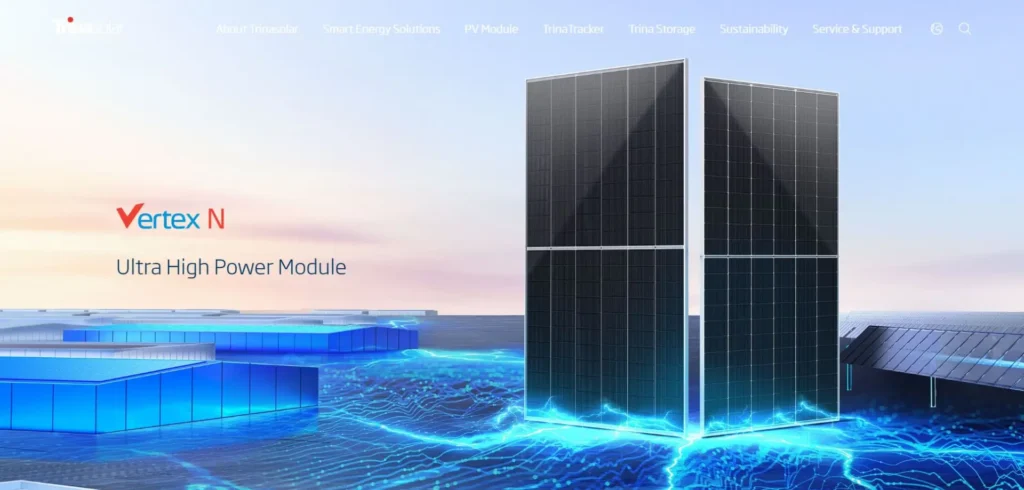
5. Trina Vertex S+ (Trina Solar)
What It Is
A well-known commercial-friendly range, often highlighted for reliability, rooftop practicality, and long power warranty options.
Who It’s For
- Data centre rooftops where you want a sensible commercial workhorse
- Projects that care about physical practicality (handling, mounting compatibility)
Funding/Benefit
- Product literature calls out reliability and long-term warranty positioning
Geographic Scope
Well represented in UK commercial installations with solid long-term availability.
How to Apply
- Select the right series for your roof layout
- Compare warranty terms offered in your region
- Make sure it suits your mounting system and structural limits
Pros
- Commercial-friendly design considerations
- Strong documentation for spec checks
- Often widely available
Cons
- Specs and warranty terms vary by model/market
- Not always the highest efficiency per panel vs premium options
Website: trinasolar.com
6. Qcells Q.TRON (Hanwha Qcells)
What It Is
A quality-focused range backed by a major brand, with warranty documents available to support the due diligence side of commercial procurement.
Who It’s For
- Data centre buyers who want a recognisable brand with clear warranty paperwork
- Projects where internal approvals need solid documentation
Funding/Benefit
- Warranty terms and performance statements are set out in Qcells documentation
Geographic Scope
Good availability in the UK and EU. Warranty support applicable in the UK when installed through approved distributors.
How to Apply
- Match the exact Q.TRON series to your installer’s supply chain
- Read the limited warranty terms relevant to your region
- Compare total system yield and warranty strength against price
Pros
- Clear warranty documentation for procurement
- Strong brand credibility
- Suitable for commercial decision-making
Cons
- Warranty documents can be region-specific (don’t assume)
- May not be the cheapest option
Website: qcells.com
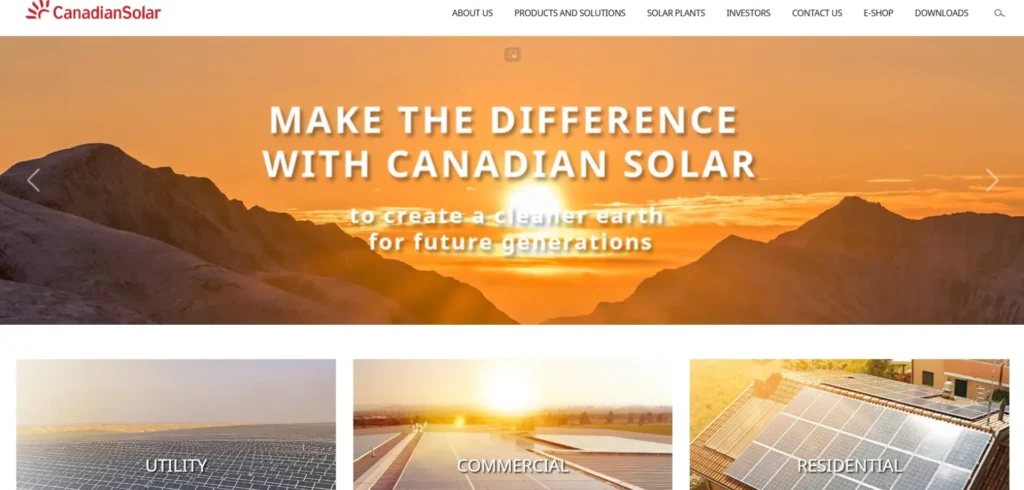
7. Canadian Solar TOPHiKu6 (Canadian Solar / CSI)
What It Is
A widely recognised manufacturer with TOPCon-based product lines and datasheets that highlight warranty terms (often with conditions by region/application).
Who It’s For
- Data centres looking for a strong value-and-scale option
- Projects where you want well-known supply and broad market presence
Funding/Benefit
- Datasheets commonly state long performance warranty and product warranty details (check applicability)
Geographic Scope
Commonly stocked for UK commercial projects. Confirm local stock and warranty coverage details.
How to Apply
- Confirm the exact model your installer proposes
- Check whether any warranty terms depend on rooftop/region conditions
- Compare full system design and predicted yield
Pros
- Well-known manufacturer with broad availability
- Clear datasheets and warranty statements (with conditions)
- Often strong value for commercial installs
Cons
- Warranty conditions can be specific (read the small print)
- Like all ranges, specs vary by exact model
Website: canadiansolar.com
Ranking Methodology
To keep this list clear, practical, and genuinely useful for data centre decision-makers, we ranked solar panels using the following criteria:
| Criterion | Weight (%) | Description |
| Performance per Roof Area | 35% | How much power the panel can produce from limited rooftop space a key factor for data centres. |
| Reliability & Warranty | 25% | Length and clarity of product and performance warranties, plus the manufacturer’s track record. |
| Suitability for Data Centres | 10% | How well the panel fits high-demand, always-on environments, including performance in warm rooftop conditions. |
| Availability & Support | 15% | Whether the panel is readily available in the UK, with clear installer and warranty support. |
The Bottom Line
Whether you’re operating a smaller regional data centre or managing a large, multi-site estate, there will be a solar panel option that fits your space, performance goals, and appetite for risk. The key is choosing equipment that stays reliable over time — not just something that looks good on day one.
Perfect Sense Energy can help you compare the best options for your site, design a system that works around your operational realities, and deliver an installation plan you can feel confident in. Get in touch with Perfect Sense Energy today and let’s map out the right solar approach for your data centre.
FAQs
What are the best solar panels for data centres?
The best solar panels for data centres are typically high-output, long-warranty commercial panels from established manufacturers. They’re chosen to maximise roof space and reduce long-term risk.
Can solar power a data centre on its own?
Not usually. Solar can’t provide consistent 24/7 power without significant storage. But it can reduce daytime grid demand and lower electricity costs.
What should I prioritise: efficiency or warranty?
The Smart Export Guarantee (SEG) is not a grant but a payment scheme. It pays businesses for the excess solar electricity they export back to the grid. Rates vary by energy supplier and typically range from 1p to 15p per kilowatt-hour (kWh). It helps businesses earn money from their solar energy system but does not reduce upfront installation costs.
Are solar panel grants available to small businesses in Scotland?
Yes, small businesses in Scotland can apply for the SME Loan Scheme, which offers interest-free loans and cashback of up to £20,000 for renewable energy projects like solar panels. This scheme is run by Business Energy Scotland and is one of the most accessible options for Scottish SMEs looking to go green.
How can my business apply for a solar panel grant in the UK?
To apply for a solar panel grant in the UK, first identify which schemes you’re eligible for based on your location, business type, and project size. Then, contact the relevant scheme provider (e.g. Salix, Business Energy Scotland, or your local authority) to complete an application, which typically includes an energy assessment and project details.