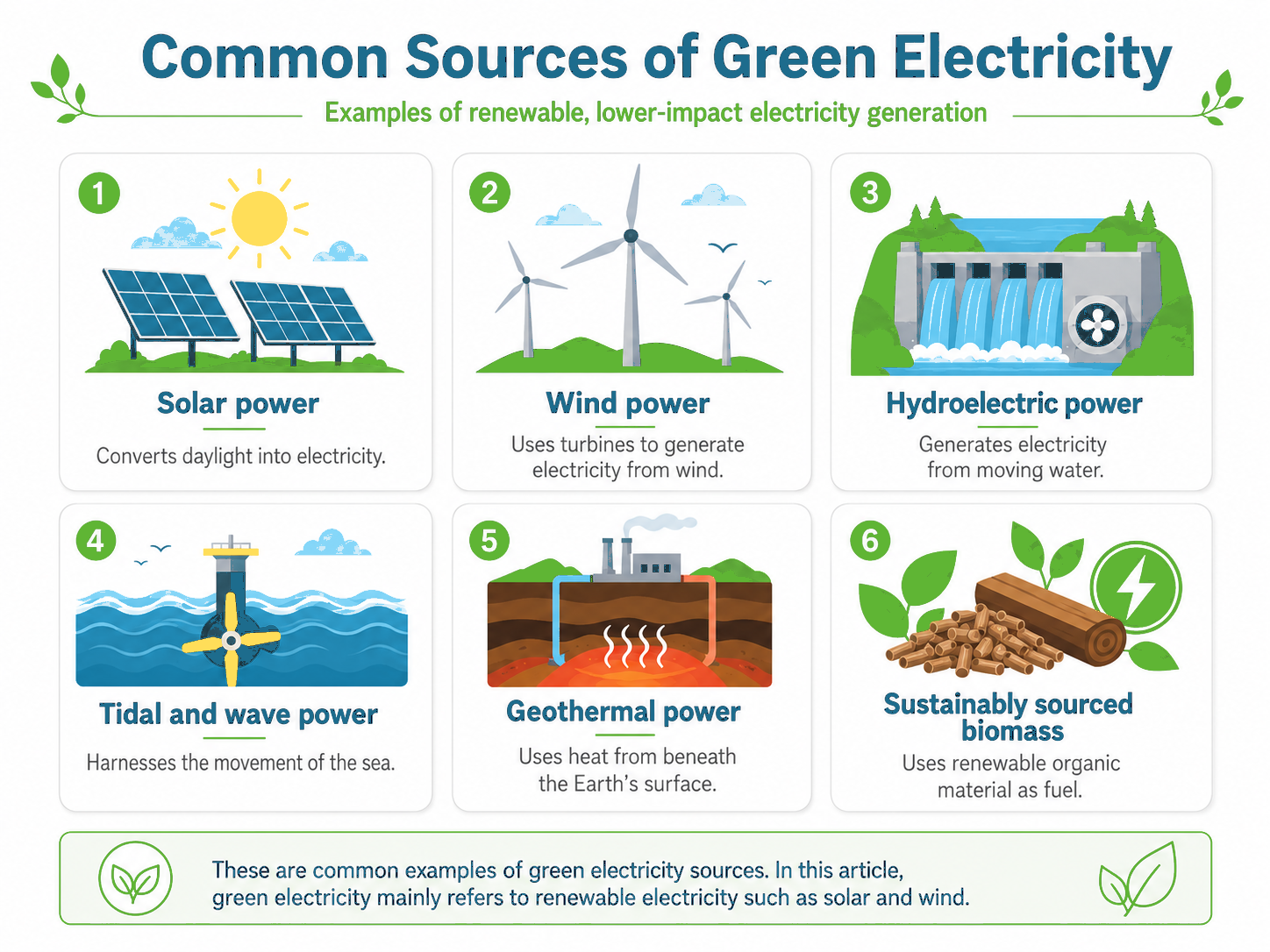
Green energy is here and it is here to stay! We now have so many ways to harness the natural power of the world around us and use it to power our lives. While many of us might be familiar with the renewable energy options for our homes, there are also plenty of options for commercial ventures too.
One of the most common options, and the one that makes perfect sense to us, is solar panels. Though we have all seen a solar array on the roofs of various buildings, do you know how solar panels work and what they are? Let us break it down for you so you know what to expect from your panels come rain or shine!
A Brief History of Solar Energy
We have been trying to harness the powers of the sun for thousands of years. Even Leonardo da Vinci invented a device that would help to heat water in Florence using the sun. However, it took a few more centuries before we would be able to make use of solar power.
The ability to create electricity from light was first noted by Edmond Becquerel, a French physicist. Several scientists over the years attempted to develop an early prototype of what we now recognise as a solar panel. The most common design was actually first created all the way back in 1939 by American scientist Russell Ohl! Ohl’s design has formed the foundation of every solar panel design since then.
What is a Solar Panel?
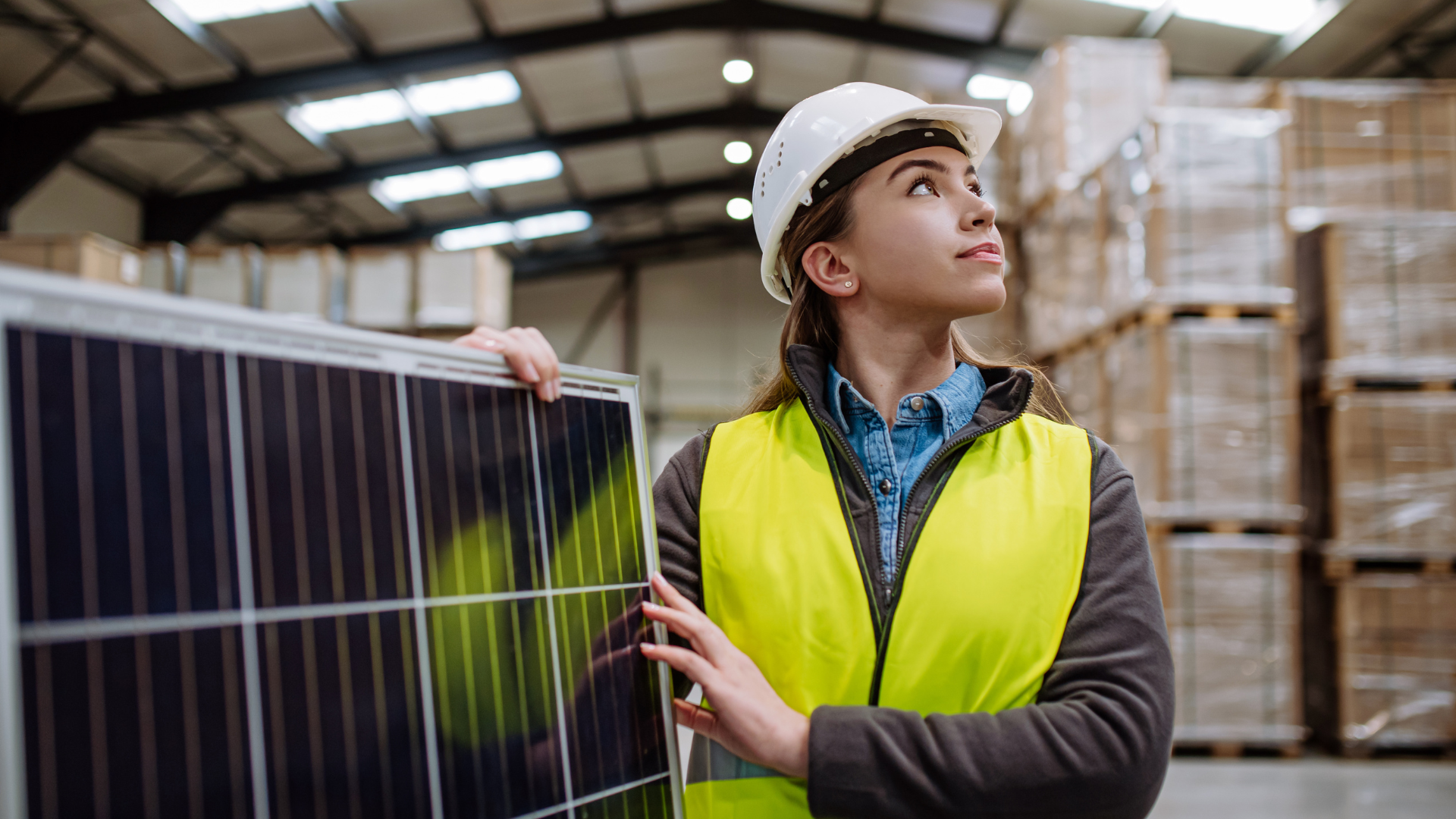
A solar panel is a piece of tech that converts sunlight into electricity. It does this by using photovoltaic cells, otherwise known as PV cells.
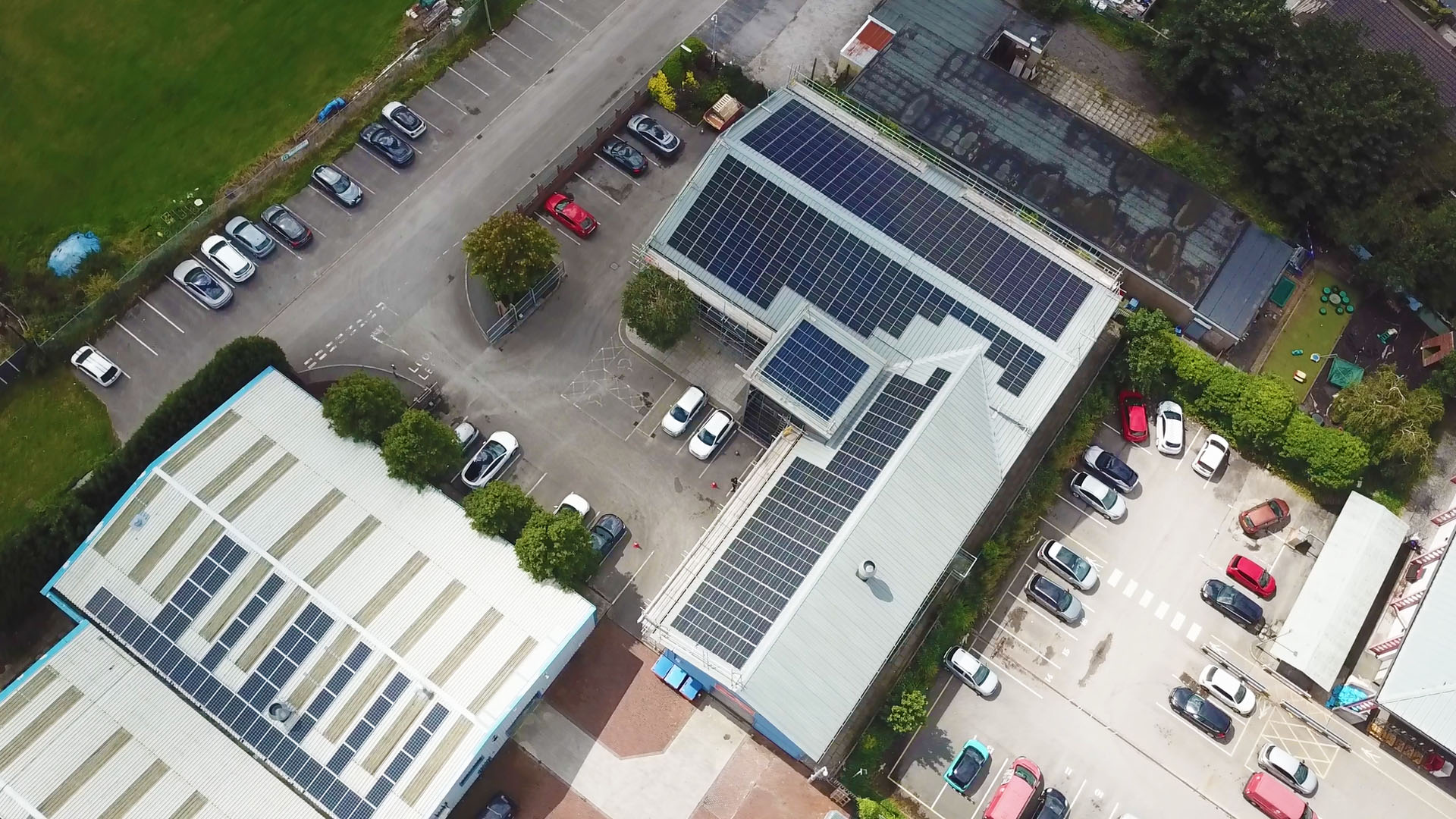
It is rare to have just a single solar panel, even on a residential set-up where there might be limited roof space. Multiple solar panels arranged together are called an array. They can cover an entire rooftop, or they can just be a small part of a wider renewable energy system
How Does a Solar Panel Work?
Solar panels work using specific materials that react to direct sunlight and excite electrons. These excited electrons then flow in a circuit and create DC electricity. This is known as the photovoltaic effect and can be used to power other devices such as lights or generators, or can be stored in batteries for later use. Each panel is made up of solar cells.
A solar cell is split into several layers: usually silicon, phosphorus, and boron. They have two layers of silicon, one referred to as the p-type and the other as the n-type. Silicon is a relatively inert material but it bonds really well with other elements such as phosphorus and boron making it a great semiconductor.
Boron is used to bond to the p-type silicon. It has one less electron than silicon, and this creates a “hole” in the bonding structure. Phosphorus is the opposite of this. It is used in the n-type silicon and has an additional electron that is then free to move. When you place these two different layers of silicon next to each other, you get a gap in between with the very sci-fi name of the depletion zone.
The excess of the electrons in the n-type silicon want to fill the gaps in the p-type so they try to hop across the depletion zone. They stop in the middle and create negatively and positively charged ions and prevent others from doing the same, like building a little wall, and this creates the electric current.
Connecting the n-type and p-type layers with a metallic wire then allows the electrons to travel back again and again, thus creating a flow of electricity that can also be collected and put to use for lighting and powering your building.

How Many Solar Panels Do I Need?
Based on what we know now about how solar panels work, we can’t expect a single one to generate electricity in vast amounts. If you decide to install solar panels on the roof of your commercial property, you will probably need a few.
It all depends on the size of your building and what your goals for your green project are. Make sure to check out our blog here for a clearer answer. When it comes to choosing solar panels for your commercial building, you need to think about your needs.
If you have a single office building, this might use a lot less energy than a massive warehouse or a big factory. If in doubt, don’t worry, our experts will be able to help you decide the right number of panels for your solar panel system.
Does a Solar Panel Need Direct Sunlight to Work?
No! A common misconception is that solar panels only work when it is sunny. They are indeed more efficient in places with clear skies — which is why they work well in countries near the equator — but the UK’s overcast and often rainy skies still provide a source for solar panels.
They even work in the darkest of winters. Even with Britain’s weather, you can guarantee that your solar panels are going to pick up something from the sun’s energy. They are very powerful pieces of tech.
If you have a large roof space that can be covered in solar panels, that might seem ideal at first. However, if it is a north-facing roof, it is never going to be as efficient as one that faces south, or even one that looks east or west. You also need to make sure that the roof you choose isn’t shaded by trees or even another building. Though the UK does receive adequate sunlight for solar panels, you need to make sure that they are positioned correctly to ensure they can run at maximum efficiency.
Do I Need to Maintain My Solar PV Panels?
When installing solar panels, we take care to ensure that your panels are set up for maximum efficiency and good maintenance. Regular maintenance should be carried out by experts (like us at Perfect Sense Energy) to ensure that every part of your solar panel technology is working as efficiently as possible.
One advantage of the rainy British weather is that the rain should wash away any grime and dirt on your solar panels if they have been installed at the right angle. However, you should not have to do anything to clean your solar power system yourself. If you have any issues, you just need to get in touch and we’ll be on our way to help you out and get your system running at peak efficiency again!
How Much Do Solar Panels Cost?
Every solar array is unique to the building it is installed on, so the solar panel system costs can vary from project to project. Our experts will work to give you the best quote possible so you can understand how much of an investment is needed for solar thermal panels.
However, you need to think about some of the benefits that can arise from solar panel installation. Having solar panels can cut your electricity bills. Though an installation will require an investment from the company, it should hopefully help to reduce energy bills in the long run. Depending on local solar irradiance levels and electricity tariffs, a small business consuming 3000 kWH/month could save up to £500/month! What’s more, the payback period of your solar panels might be 2-5 years, but you could see savings for up to 30 years depending on the lifespan of your system.
A solar panel array can also help to cut a company’s carbon footprint. If you have committed to a greener future for your business, solar panels might be the first step in the right direction. They are a great way to produce electricity for your business, and they are only likely to improve in the future as further improvements are made in the solar and renewable energy sectors!
Solar Panels — You Know They Make Perfect Sense!
Solar panels are a great addition to any business looking to modernise and combat their carbon footprint. Introducing solar-powered devices to your company is a great investment for the future, and Perfect Sense Energy is here to help you build the perfect solar panel systems for UK businesses.
Wondering how much your business can save per year with solar? Use our FREE Solar Savings Calculator to get a free, no-obligation business solar assessment in 2 minutes or less!
At Perfect Sense Energy, our solar specialists are committed to providing top-tier service and support, ensuring our solutions help you achieve your energy goals.
Get in touch or give us a bell on 01942 367 599 to discuss your commercial solar panel needs!