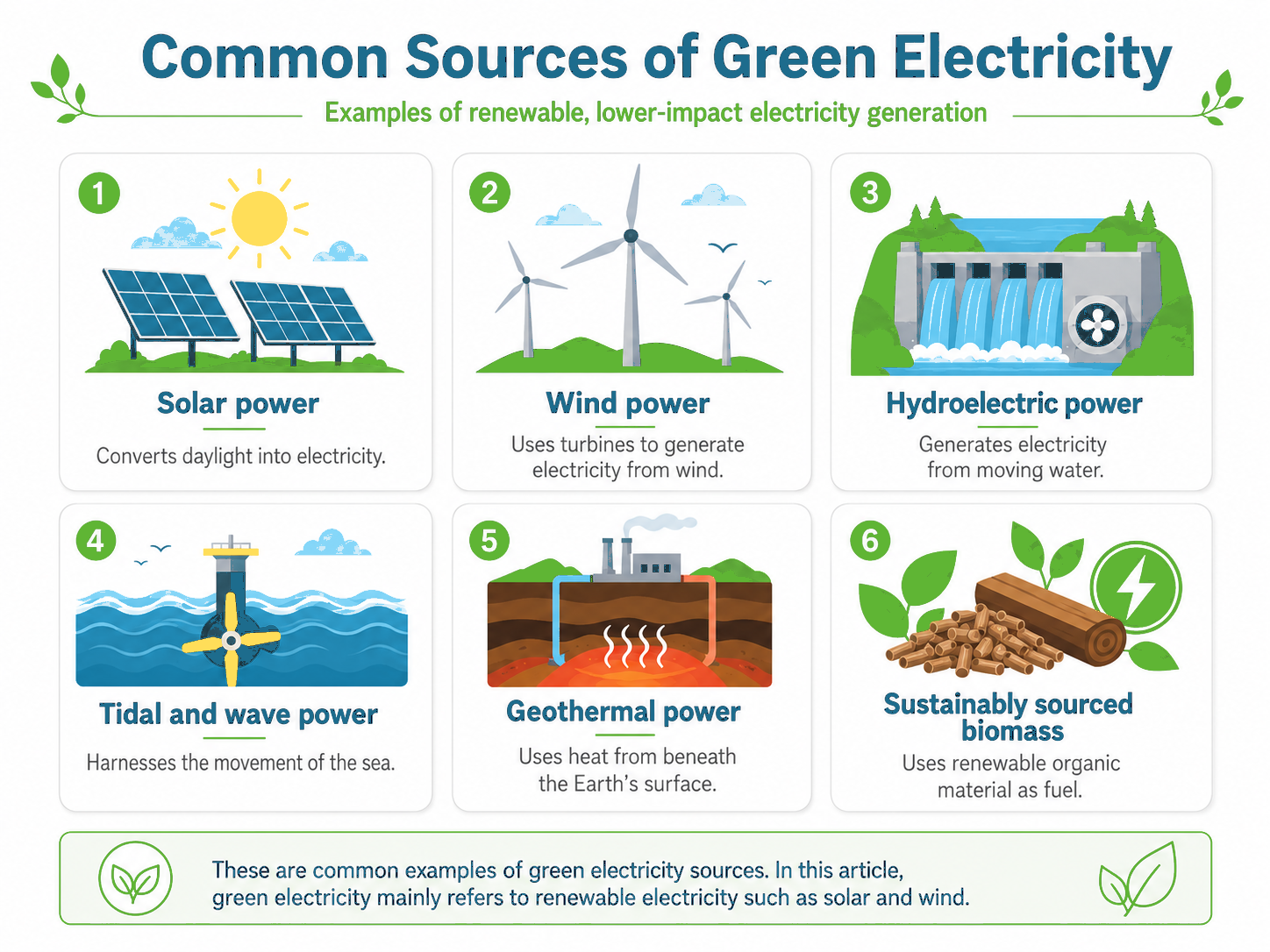
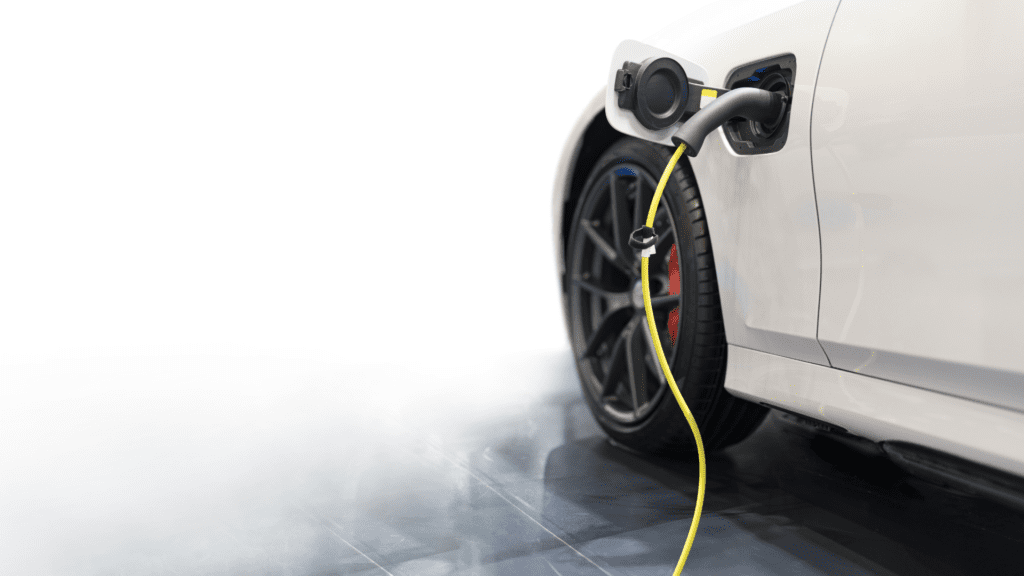
When we consider the potential of solar power in the automotive industry, it’s intriguing to think about electric cars with their own built-in solar panels. With the pressing need for sustainable energy solutions, coupling electric vehicles with solar technology seems like a logical step forward. Despite the immense promise, we rarely see solar panels integrated into electric cars. It makes us wonder, why isn’t this technology more prevalent?
You might initially assume that solar panels on electric cars would provide unlimited clean energy, propelling us towards a future of carbon-neutral travel. However, the reality of the situation is far more complex. The crux of the matter lies in the current limitations of solar technology and the practical considerations of vehicle design. Solar panels, as we understand them today, are not as efficient at converting sunlight into electric power as we’d like them to be, and this poses a significant challenge for their use in vehicles.
Integrating solar panels onto the curved and varied surfaces of a car presents additional technical difficulties. The area available on a car’s roof is relatively small, and this limits the amount of energy that can be harvested from the sun. We must also consider factors like weather conditions, parking habits, and the typical daily driving distance. All these elements play a pivotal role in determining the practicality and effectiveness of solar panels on electric cars.
The Potential of Solar Energy in Electric Vehicles
Exploring the incorporation of solar panels into electric cars presents an opportunity for extended range and reduced dependence on the grid.
Efficacy of Solar Panels on Cars
We must first consider the surface area available for solar panels on a typical car. The limited space on a car’s roof, bonnet, and boot places constraints on the total power that can be generated. Solar panels on cars can produce between 100 to 250 watts per square metre under ideal conditions. Given that an average car may have around 2 to 3 square metres available, this translates to a potential generation of 200 to 750 watts in perfect sunshine.
- Peak Sunlight Hours: In the UK, we reckon with about 2 to 4 peak sunlight hours per day on average, depending on the season.
- Efficiency: Given that solar panel efficiencies range from about 15% to 22%, a car parked outdoors could harness a fraction of the available solar energy.
Energy Requirements of Electric Cars
We’ll then match the energy we can harness from the sun to the needs of an electric vehicle (EV).
- Daily Driving: The average UK driver travels approximately 20 miles a day.
- Energy Consumption: Modern EVs have an energy consumption that ranges between 150 to 200 watt-hours per mile.
To meet this demand with solar energy strictly:
1. Driving 20 miles/day: This would require 3,000 to 4,000 watt-hours (or 3 to 4 kilowatt-hours).
2. Solar Input: Using our conservative estimate of 500 watts generated over 4 peak sunlight hours, we would net 2 kilowatt-hours per day.
3. The Gap: This leaves us short, demonstrating solar panels can’t fully power typical daily travel, but could potentially contribute to extending the range of an EV.

Engineering Challenges
In our worldwide journey to create the optimal sustainable vehicle, we’re tackling various engineering hurdles that come with integrating solar panels into electric cars.
Weight and Design Considerations
Every additional kilogramme counts towards the overall efficiency of an electric vehicle (EV). Adding solar panels introduces a weight penalty which can reduce the vehicle’s range. Thus, we’ve got to judiciously balance the design elements to maintain the aesthetics, while ensuring aerodynamic efficiency and structural integrity. It’s a lot to think about!
Efficiency of Solar Cells
At present, the solar cells we have access to yield a conversion efficiency typically around 15% to 22%. This means that only a fraction of the sunlight is converted into usable energy, limiting how much power we can generate to support the car’s functions. We’re actively seeking advancements in photovoltaic technology to enhance these figures.
Integration with Vehicle Systems
Incorporating solar panels means they must be seamlessly integrated with the existing vehicle electrical systems. Across the world, engineers are working on innovative solutions to manage the variable power supply and to store excess energy effectively. This challenge requires precision engineering to ensure compatibility and reliability of the integrated systems.
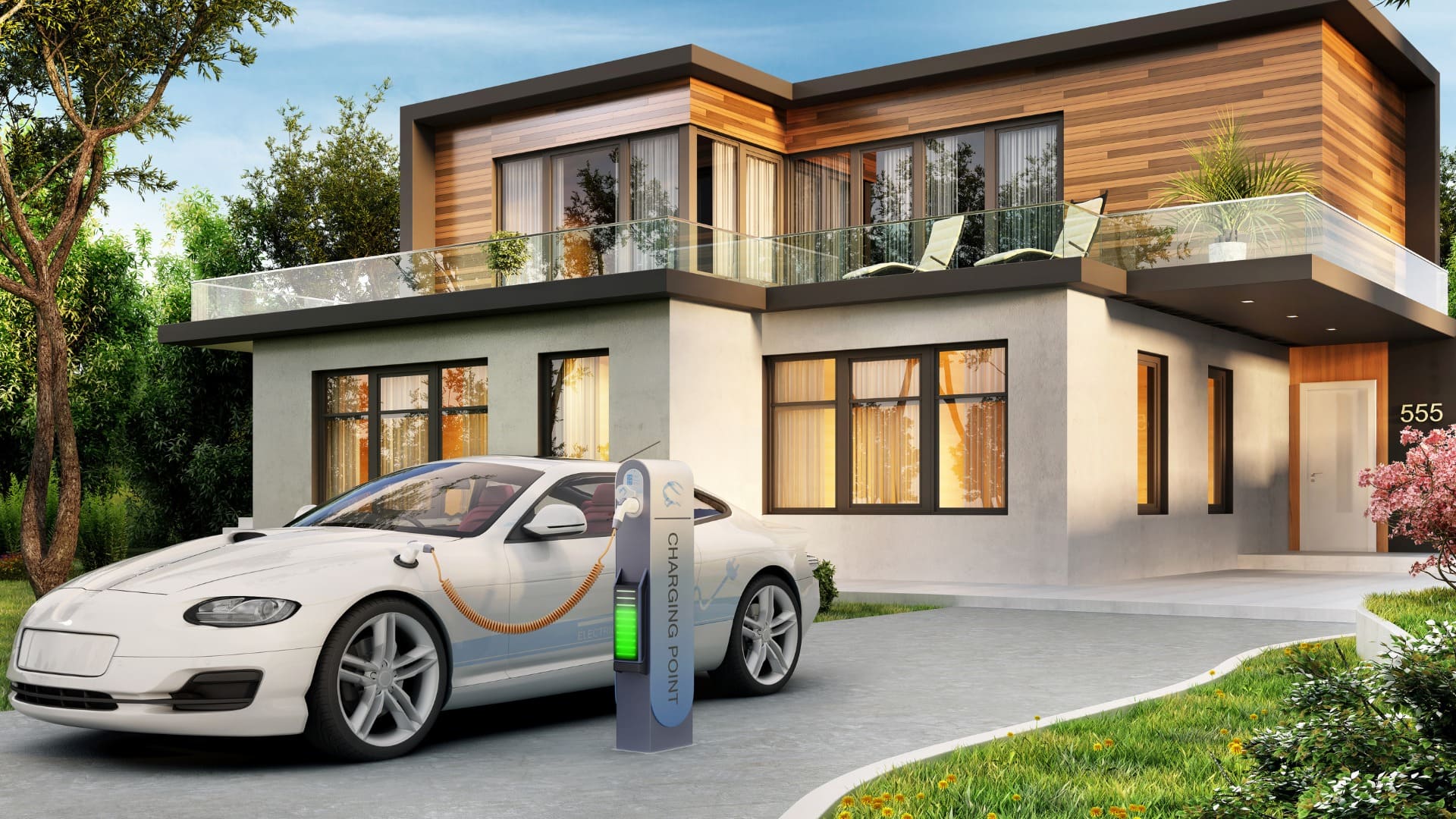
Economic and Environmental Factors
In exploring the integration of solar panels into electric cars, we face significant economic and environmental considerations. These aspects shape both the feasibility and sustainability of such technological advancements.
Cost Implications
Understanding the financial impact of adding solar panels to electric cars is essential. Initially, the incorporation of photovoltaic systems incurs high upfront costs for both manufacturers and consumers. Below is a breakdown of these costs:
- Manufacturing: The production of highly efficient solar panels suitable for automotive use demands advanced materials and technology, which elevate production expenses.
- Installation: Retrofitting solar panels onto electric cars necessitates specialised expertise and additional components, leading to increased labour and material costs.
- Maintenance: Solar panels add complexity to vehicle maintenance, potentially raising long-term ownership costs due to the need for specialised servicing and potential repairs.
Life Cycle Assessment
A comprehensive life cycle assessment (LCA) reveals the environmental impact of solar panels on electric vehicles over their entire lifespan. This kind of analysis presents both benefits and drawbacks:
1. Manufacture & Disposal: Producing solar panels requires energy and raw materials, which generate emissions and waste. However, improvements in recycling processes can mitigate the environmental footprint during disposal.
2. Operation: Once installed, solar panels can provide additional clean energy to the vehicle, potentially reducing reliance on the electricity grid and lowering greenhouse gas emissions during operation.
3. Efficiency Over Time: The efficiency of solar panels can degrade, affecting the net environmental benefit. Ensuring solar panel longevity and performance is critical.
By weighing these economic and environmental factors, we cultivate a deeper understanding of the challenges and opportunities in harnessing solar energy for electric vehicles.
At Perfect Sense Energy, our solar specialists are committed to providing top-tier service and support, ensuring our solutions help you achieve your energy goals.
Get in touch or give us a bell on 01942 367 599 to discuss your commercial solar panel needs!