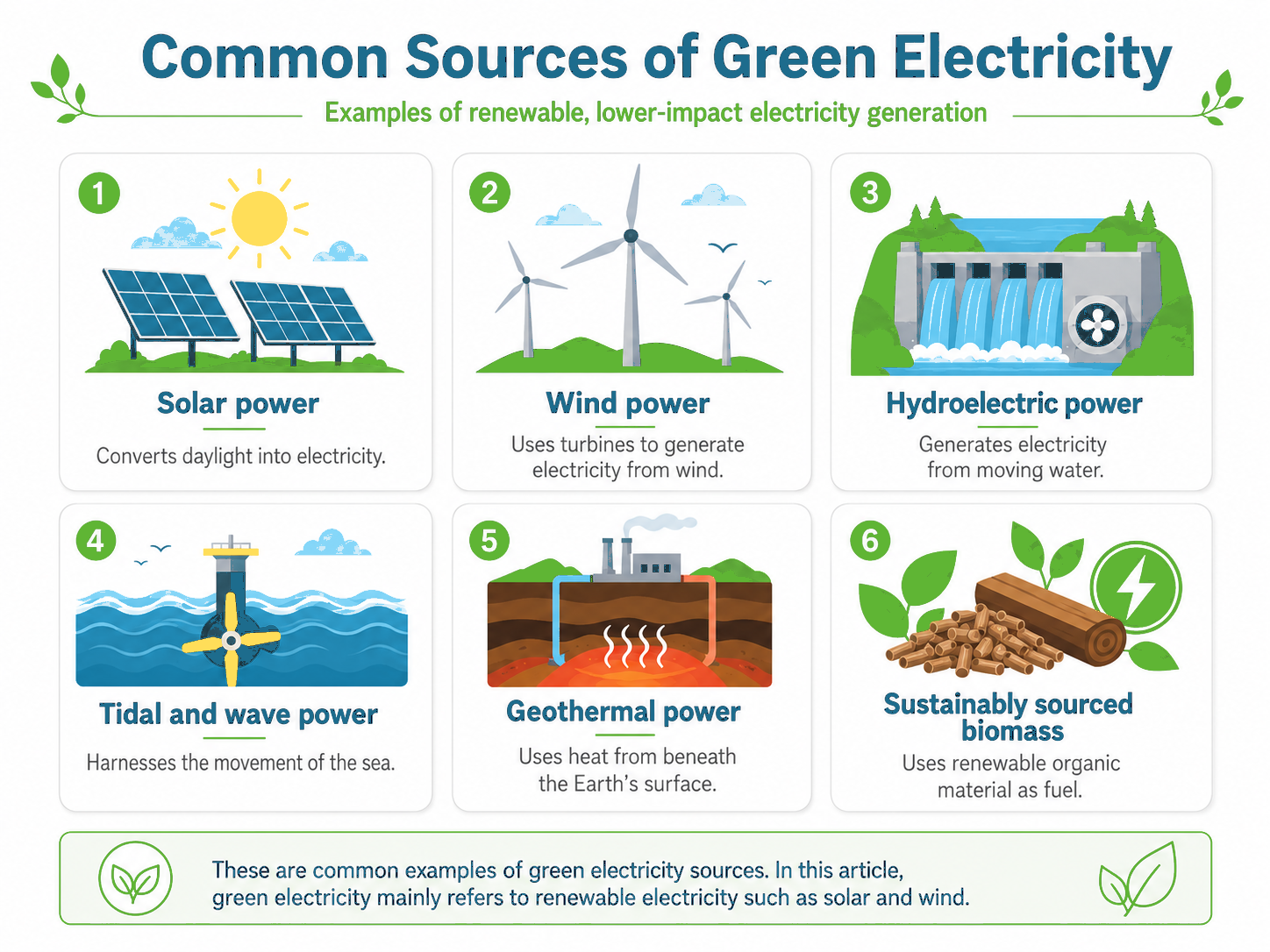

With Christmas a distant memory and Easter approaching, it’s about time we looked at how you can benefit from renewable energy grants in 2024.
Everyone has now come to realise the importance of shifting towards renewable energy sources, not only to combat climate change but also to reduce our reliance on fossil fuels. One promising solution to our ever-growing energy consumption is solar power. As a clean, green source of energy, solar power is increasingly a popular choice for homeowners, businesses, and organisations alike.
For those considering taking advantage of solar power in the UK, the government has sought to make this more accessible and affordable. The UK Government’s solar panel grants are an attractive incentive for those looking to make the switch to renewable energy. These grants play a crucial role in reducing the upfront costs associated with purchasing and installing solar panels, making it easier for people to reap the rewards of having solar power.
Let’s take a look at the various types of solar panel grants available in the UK, their eligibility criteria, and how they can benefit homeowners and businesses alike. Understanding how these grants work will make it much easier for us to make an informed decision about whether or not to take advantage of these fantastic opportunities. As Yvette from Allo Allo would always say: “I shall say this only once!”
Overview of UK Government Solar Panel Grants
Let’s start by understanding why these grants exist. The UK is committed to reducing its carbon emissions by at least 68% by 2030. One way to achieve that is by incentivising homeowners and businesses to switch to renewable energy sources like solar power.
Feed-in Tariffs (FITs)
The Feed-in Tariff scheme was a popular initiative introduced in 2010, and lasted until April 2019. Under FITs, homeowners received payments for the electricity generated by their solar panels, as well as any excess electricity exported to the grid. While the scheme is now closed for new applications, existing participants continue to receive payments.


Smart Export Guarantee (SEG)
Introduced in January 2020 as a replacement for FITs, the Smart Export Guarantee is an initiative where energy suppliers with over 150,000 customers must offer tariffs to pay small-scale, low-carbon generators for any surplus electricity exported to the grid. We must note that the SEG rates vary between suppliers. To make the most of this opportunity, we recommend you compare different providers and their tariffs.
Green Homes Grant
The Green Homes Grant was a short-lived scheme launched in September 2020 and closed in March 2021. It aimed to help homeowners in England become more energy-efficient by providing vouchers of up to £5,000 to cover two-thirds of the cost of eligible home improvements including solar thermal systems.
Although these grants have mostly come to an end, there are still options worth exploring for those looking to install solar panels on their property.
- Regional schemes: Certain areas in the UK offer their own solar panel grants. These grants need to be researched as they vary between regions.
- Energy Company Obligation (ECO): For low-income households, the UK Government runs the Energy Company Obligation scheme, which provides financial assistance for energy-saving improvements, including certain renewable energy installations.
- The Enhanced Capital Allowances scheme allows businesses to claim 100% first-year capital allowances on investments in energy-saving equipment, including solar panels. This means that businesses can deduct the full cost of the equipment from their taxable profits in the year of purchase.
As you can see, the UK Government has taken steps to embrace renewable energy. While some grants may have expired, we are optimistic that new incentives will continue to emerge, making it easier for homeowners to continue adopting solar power.
Qualification Criteria
To help you understand whether you or your property qualifies for these financial incentives, we have divided the eligibility criteria for solar panel grants into three subsections: homeowner eligibility, property eligibility, and solar panel specification requirements.
Homeowner Eligibility
To be considered for a solar panel grant, applicants must meet a few basic requirements:
Generally, only legal homeowners can apply for solar panel grants.
You must be a UK resident, typically living in the property where you want to install the solar panels.
Your home may need to meet specific energy efficiency requirements. It’s always a good idea to check these in advance.
Some grants specifically target low-income households. In such cases, you may need to demonstrate financial necessity.
Property Eligibility
Next, let’s go over some property-related eligibility criteria:
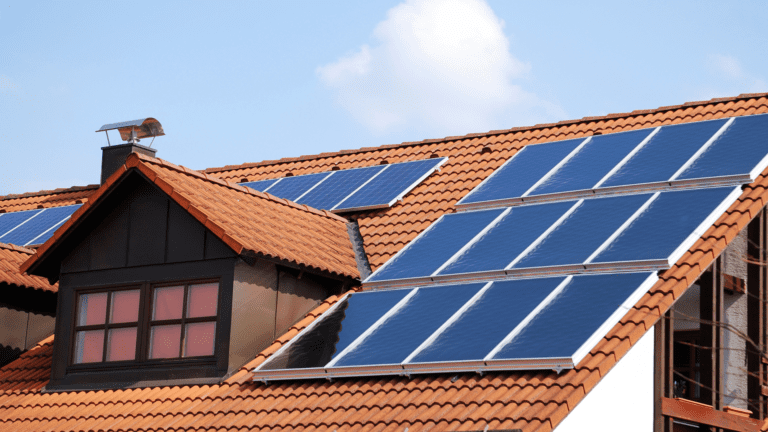
Your property should have adequate space for solar panel installation, such as a south-facing roof or a suitable ground-mounted location.
Your roof should be structurally sound and capable of supporting the weight of the solar panels.
For some properties (e.g., listed buildings, conservation areas), you might need to obtain planning permission before installing solar panels. It’s essential to check with your local authority beforehand.
In most cases, you can’t combine solar panel grants with other government-funded schemes, such as the Feed-in Tariff or Renewable Heat Incentive.
Solar Panel Specification Requirements
The solar panels themselves should also meet certain specifications:
The solar panel system must be certified by the Microgeneration Certification Scheme (MCS) or equivalent.
The installer must be accredited by the MCS or a similar organisation.
Warranties for both the solar panels and their installation should be included, usually a minimum of five years.
Your solar panels’ output should meet particular minimum efficiency ratings, which can vary depending on the type and model.
By ensuring that you and your property meet the qualification criteria described above, you will improve your chances of securing a UK Government solar panel grant.
How to Apply for The Grants
Application Procedure
To apply for the UK Government solar panel grants, we recommend following these steps:
1. Research available grants: The first step is to research the various grants available for solar panels. You can do this by visiting the UK Government’s official website or contacting local energy authorities.
2. Check eligibility: Once we have a list of potential grants, we should check the eligibility criteria for each. Common requirements include being a homeowner, living in a specific geographical region, and meeting certain financial criteria.
3. Request an energy assessment: Before applying for a grant, many schemes require an energy assessment. You can contact a certified energy assessor to evaluate our home and provide recommendations on the most suitable solar panel system.
4. Prepare application: Gather all required information and documentation for the grant application. This may include personal and financial details, energy assessment results, and a detailed proposal of the solar panel system.
5. Submit the application: After we have double-checked all information and documents, we can submit our application to the relevant grant agency. It is important to submit applications by the deadline to increase our chances of being awarded a grant.
Required Documents
To ensure a smooth application process, it’s essential to have all required documentation ready. Documents commonly required for solar panel grant applications include, but are not limited to:
Passport or other valid identification.
Utility bills, council tax bills, or bank statements.
Property deeds or mortgage statements to show ownership of the property.
A report from a certified energy assessor detailing the recommended solar panel system for your home.
A minimum of two quotes from accredited solar panel installation companies. These should include detailed information about the proposed system, equipment, costs, and performance estimates.
System design and specification:
A schematic of the proposed solar panel system, including the type and number of panels, inverter and battery details, and any other relevant components.
Bank statements, tax returns, or other financial documents may be required as evidence that you meet eligibility criteria or to determine the level of grant funding.
Planning Permission (if applicable):
Some properties may require planning permission for solar panel installation. If it is required, a copy of the permission should be submitted with the application.
By following the application procedure and having the required documents ready, we increase our chances of successfully obtaining a UK Government solar panel grant. Remember to keep an eye on the deadlines and be thorough in your applications to secure funding for a greener, more efficient home.
Benefits and Returns of Solar Panel Grants
Implications for Energy Bills
By utilising solar panel grants, we can significantly reduce our energy bills. Solar panels generate electricity from sunlight, which means on sunny days, we’re receiving free energy! To put this into perspective, let’s take a look at some numbers:
|
Energy Generation (kWh) |
Monthly savings (£) |
|
300 |
45 |
|
500 |
75 |
|
700 |
105 |
Note: This table is an example guide and is not to be considered as an exact representation of real-life savings.
Once we’ve installed solar panels with the help of a grant, it’s not uncommon to see energy bill savings of up to 50%. And, we might even get paid for the excess energy we generate through the UK government’s Smart Export Guarantee scheme!
Environmental Benefits
It’s no secret that adopting solar panels is an excellent way for us to support the environment. By generating clean energy from the sun, we’re actively reducing our carbon footprint and combating climate change. Here are some quick stats to illustrate the positive impact:
- 1 kWp of solar panels saves approximately 0.5 tonnes of CO2 emissions annually.
- The average UK household emits 2.7 tonnes of CO2 per year.
With solar panels, we’ll not only decrease our energy bills but also contribute to a greener, more sustainable future. Together, these tangible benefits make solar panel grants an attractive option for many of us in the UK.
UK Government Policies on Solar Power
In recent years, the UK government has shown its commitment to transitioning towards greener energy sources. We’d like to quickly discuss the key policies that support the adoption of solar power in the UK.

One significant programme is the Feed-in Tariff (FIT) which was introduced in 2010. Through this scheme, homeowners who have installed solar panels on their properties received payments for generating renewable electricity. Although the scheme officially closed to new applications in 2019, existing participants will continue to receive FIT payments for the remainder of their contract period.
Following the end of the FIT scheme, the Smart Export Guarantee (SEG) was implemented in January 2020. Under this programme, homeowners with solar panels can receive payments from energy suppliers for any excess electricity they generate and export back to the grid. To qualify for the SEG, solar panel systems must meet these requirements:
- Capacity of 5 MW or less.
- Utilise smart metres for exporting electricity.
- Certified installer and MCS-approved products.
As well as these initiatives, the UK government offers a reduced VAT rate of 5% for solar panel installation on residential properties. This concession makes it more affordable for property owners to switch to solar power.
The UK government has also set the ambitious target of achieving net-zero carbon emissions by 2050. As a result, we can expect the development of more renewable energy policies and incentives to promote the adoption of solar and other sustainable energy systems in the coming years. The commitment to clean energy will continue to foster the growth of the solar power sector, making it an attractive option for UK homeowners and businesses alike.
At Perfect Sense Energy, our solar specialists are committed to providing top-tier service and support, ensuring our solutions help you achieve your energy goals. Get in touch or give us a bell on 01942 367 599 to discuss your commercial solar panel needs.