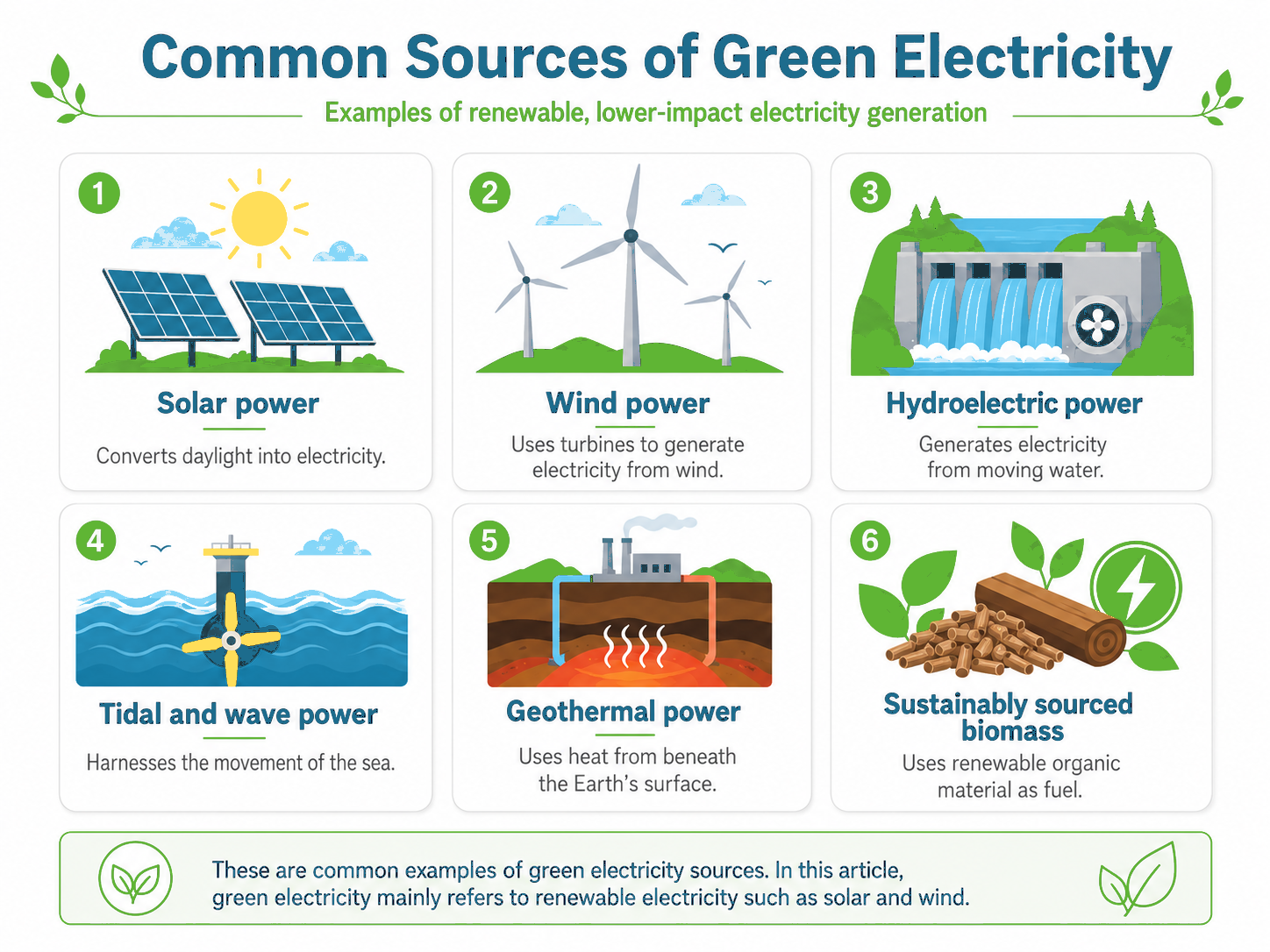

Living in a windy area can be a blessing or a curse depending on how you look at it. On one hand, the strong gusts can be invigorating and refreshing, but on the other, they can be destructive and cause damage to your property. However, if you’re considering installing solar panels, you might be wondering whether living in a windy area would affect their efficiency.
The answer is yes, wind can have an impact on the performance of solar panels. However, it’s not necessarily a negative impact. In fact, in some cases, wind can actually help to increase the efficiency of solar panels. We’ll explore the relationship between solar panels and wind, and discuss how living in a windy area can affect the performance of your solar panels. We’ll also provide some tips on how to maximise the benefits of wind and solar energy in your home.
As Yvette from Allo Allo always exclaimed: “I shall say this only once!”
Understanding Wind and Solar Energy
When it comes to generating clean energy, both wind and solar power are popular choices. But what happens when these two sources of energy are combined? In windy areas, solar panels can actually benefit from the wind, and vice versa.
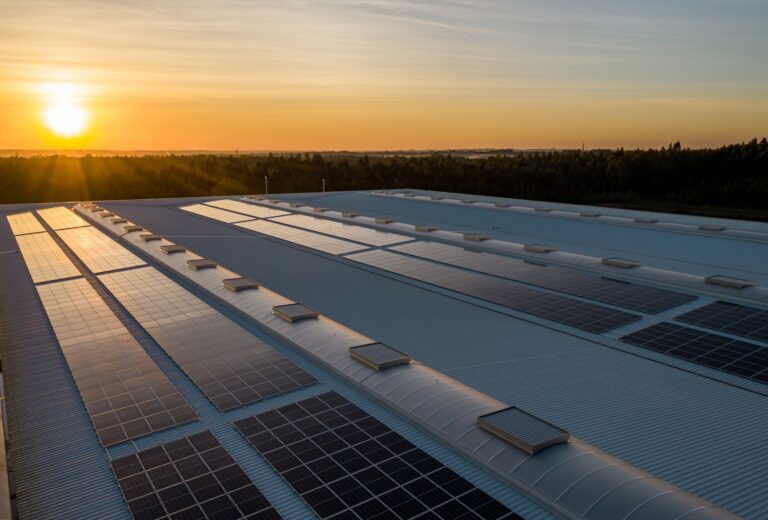
Solar panels work by converting the sun’s energy into electricity. However, they can be affected by the wind, which can cause them to vibrate and reduce their efficiency. This is where wind energy comes in – the wind can help to cool down the solar panels, which can improve their performance.
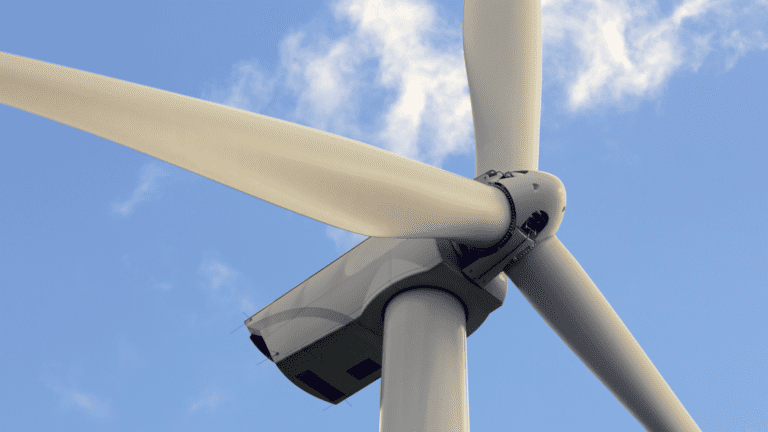
On the other hand, wind turbines can also benefit from solar energy. Solar panels can be used to power the control systems and other equipment that are needed to operate wind turbines. This can help to reduce the overall cost of wind power and make it a more viable option in areas where there is not enough wind to generate electricity on its own.
It’s important to note that wind and solar energy are not always complementary. In some cases, the wind may be too strong for solar panels to function properly, or the sun may be too weak for wind turbines to generate enough electricity. However, by understanding how these two sources of energy work together, we can find new ways to generate clean energy and reduce our reliance on fossil fuels.
The Impact of Wind on Solar Panels
When it comes to solar panels, wind can have both positive and negative effects. On the one hand, wind can help to cool the panels, which can increase their efficiency and lifespan. However, strong winds can also cause damage to the panels, particularly if they are not properly secured.
One of the most common physical effects of wind on solar panels is the bending or flexing of the panels themselves. This can cause microcracks to form in the solar cells, which can reduce the overall efficiency of the panel. In extreme cases, strong winds can even cause the panels to detach from their mounts, which can result in significant damage to the panels and potentially even injury to people or property below.
To mitigate these risks, it is important to ensure that solar panels are properly installed and secured. This may involve using stronger mounts or brackets, as well as ensuring that the panels are angled correctly to prevent excessive wind exposure.
Alongside the physical effects of wind on solar panels, it is also important to consider the impact that wind can have on energy production. While wind can help to cool solar panels and increase their efficiency, it can also cause fluctuations in energy production due to changes in the amount of sunlight that reaches the panels.
In areas with high winds, it may be necessary to install additional solar panels or use larger panels to compensate for these fluctuations. Plus, it might be necessary to adjust the orientation of the panels to ensure that they are facing the right direction to capture the maximum amount of sunlight.
Whilst wind can have both positive and negative effects on solar panels, it is important to take steps to mitigate the risks and ensure that your panels are properly installed and maintained. With the right precautions, solar panels can be a reliable and efficient source of renewable energy in even the windiest of areas.
Choosing Solar Panels for Windy Areas
When it comes to choosing solar panels for windy areas, there are a few material considerations and design factors that you should keep in mind.
Material Considerations
The first thing to consider when choosing solar panels for windy areas is the material they are made of. Polycrystalline and monocrystalline solar panels are the most common types of solar panels on the market. Polycrystalline panels are made of multiple crystals, while monocrystalline panels are made of a single crystal.
Polycrystalline panels are generally less expensive than monocrystalline panels, but they are also less efficient. Monocrystalline panels, on the other hand, are more expensive but also more efficient. In windy areas, it’s generally recommended to choose monocrystalline panels, as they are more durable and less likely to be damaged by high winds.
Design Factors
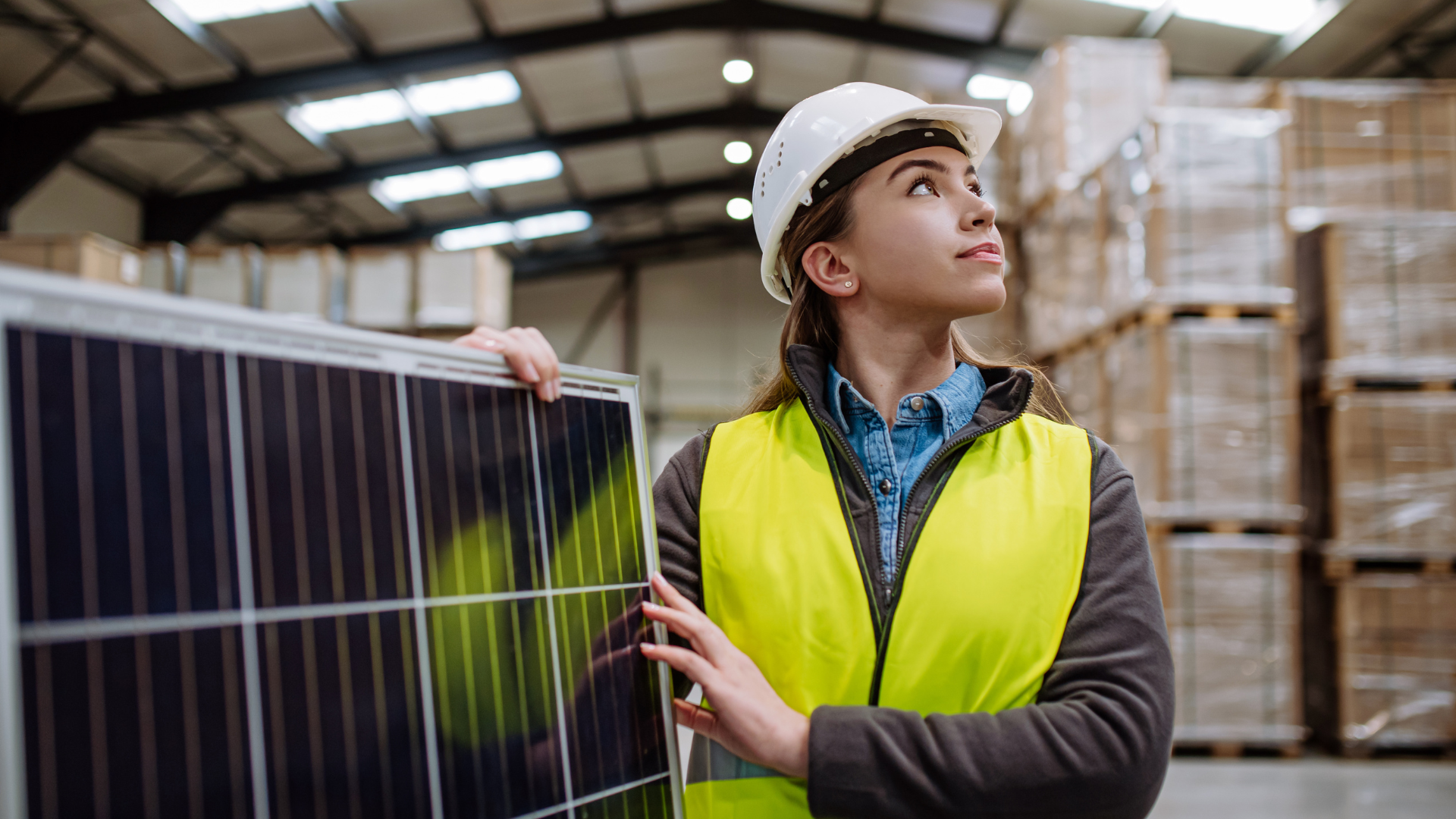
As well as the material, there are a few design factors to consider when choosing solar panels for windy areas. One of the most important factors is the frame of the solar panel. The frame should be made of a sturdy material, such as aluminium, and should be able to withstand high winds without bending or breaking.
Another important design factor to consider is the orientation of the solar panels. In windy areas, it’s generally recommended to install solar panels in a landscape orientation rather than a portrait orientation. This is because landscape-oriented panels are less likely to be damaged by wind gusts.
So, when choosing solar panels for windy areas, it’s important to consider both the material and the design factors. By choosing monocrystalline panels with a sturdy frame and installing them in a landscape orientation, you can ensure that your solar panels will be able to withstand high winds and continue generating power for years to come.
Installation Tips for Windy Areas
When installing solar panels in windy areas, it is important to consider the positioning and angle of the panels. We recommend positioning the panels in a way that minimises their exposure to strong winds. This can be achieved by placing the panels in a sheltered location, such as behind a building or a windbreak.
The angle of the panels should also be adjusted to optimise their performance in windy conditions. We suggest installing the panels at a steeper angle than usual, as this can help to reduce wind resistance and prevent damage to the panels.
Securing solar panels is crucial in windy areas to prevent them from being damaged or blown away. We recommend using strong and durable mounting systems that are designed to withstand high winds.
It’s also important to ensure that the mounting systems are securely fastened to the roof or ground. We suggest using anchor bolts or screws that are specifically designed for the type of surface the panels are being installed on.
It is recommended to use a wind deflector to redirect the wind away from the panels and reduce the risk of damage.
By following these installation tips, we can ensure that solar panels in windy areas are installed in a way that maximises their performance and minimises the risk of damage.
Maintenance and Safety Measures
Regular Checks
Regular checks are essential to ensure the proper functioning of solar panels in windy areas. We recommend inspecting the panels at least once a year, or after any severe weather conditions. During the inspection, we check for any signs of damage, such as cracks, chips, or scratches, on the panels or frames. If we notice any damage, we replace the affected parts immediately to prevent any further damage.
Another critical aspect of regular checks is cleaning the panels. The accumulation of dirt, dust, or debris on the panels can reduce their efficiency. We should clean the panels with a soft brush or cloth and mild detergent. It’s essential to avoid using abrasive materials or high-pressure water as they can damage the panels.


Weatherproofing
Weatherproofing is crucial to ensure the safety and longevity of solar panels in windy areas. We ensure that the panels are securely fastened to the roof or ground to prevent them from being blown away during high winds. The wiring and electrical connections should also be protected from moisture and corrosion.
We recommend using weather-resistant materials for the installation of solar panels in windy areas. The panels should be installed with a tilt angle to allow for rainwater to run off easily. Plus, we should ensure that the panels are grounded to prevent any electrical hazards.
Regular checks and weatherproofing are essential for the proper functioning and safety of solar panels in windy areas. By following these maintenance and safety measures, we can ensure that our solar panels last for many years and provide us with clean and renewable energy.
At Perfect Sense Energy, our experts are committed to providing top-tier service and support, ensuring our solutions help you achieve your energy goals. Get in touch to discuss your commercial solar panel needs!
For further insights into solar panels and renewable energy, reach out to us on 01942 367 599. We have a busy schedule, but we’re always available to assist!