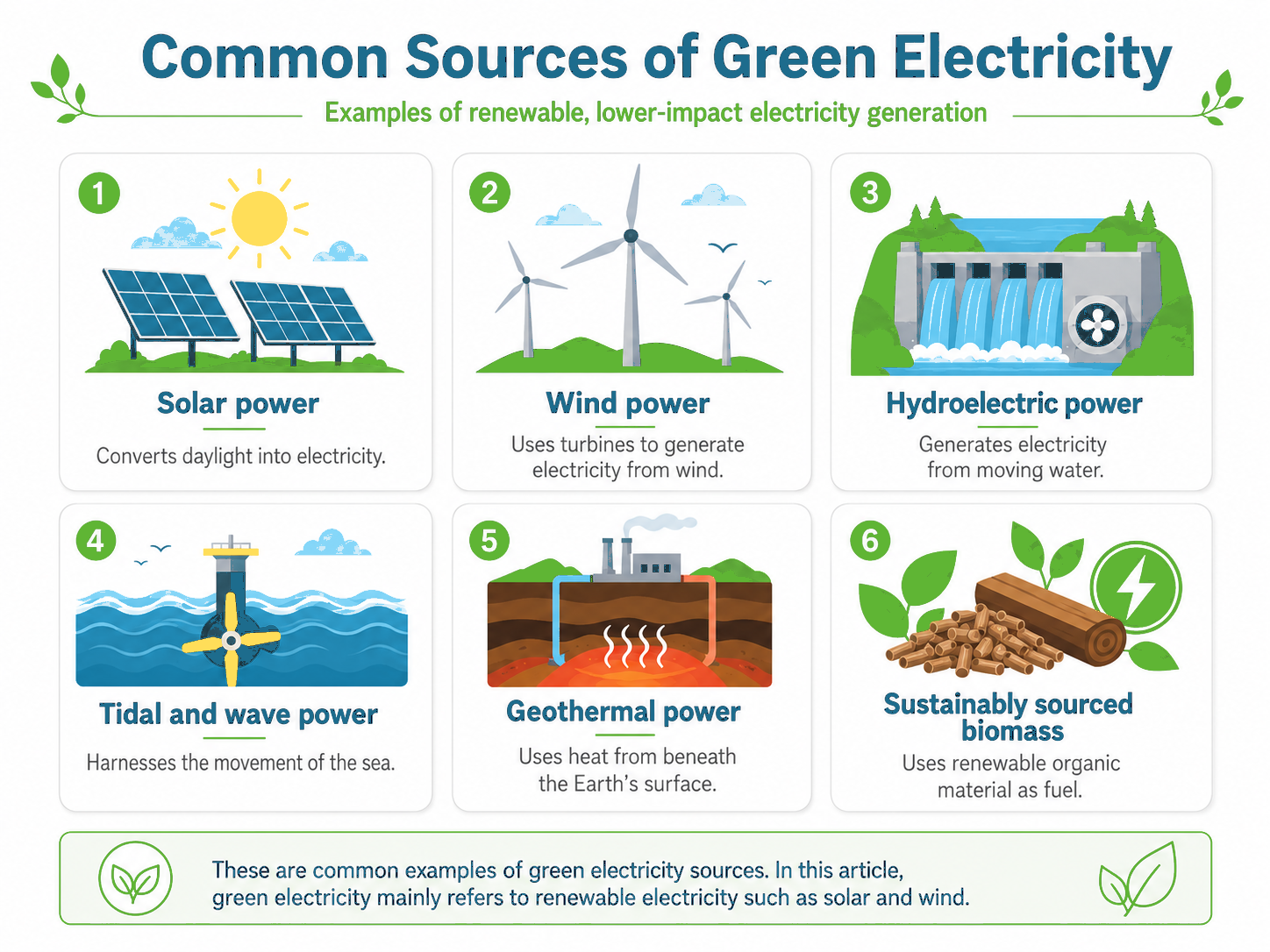
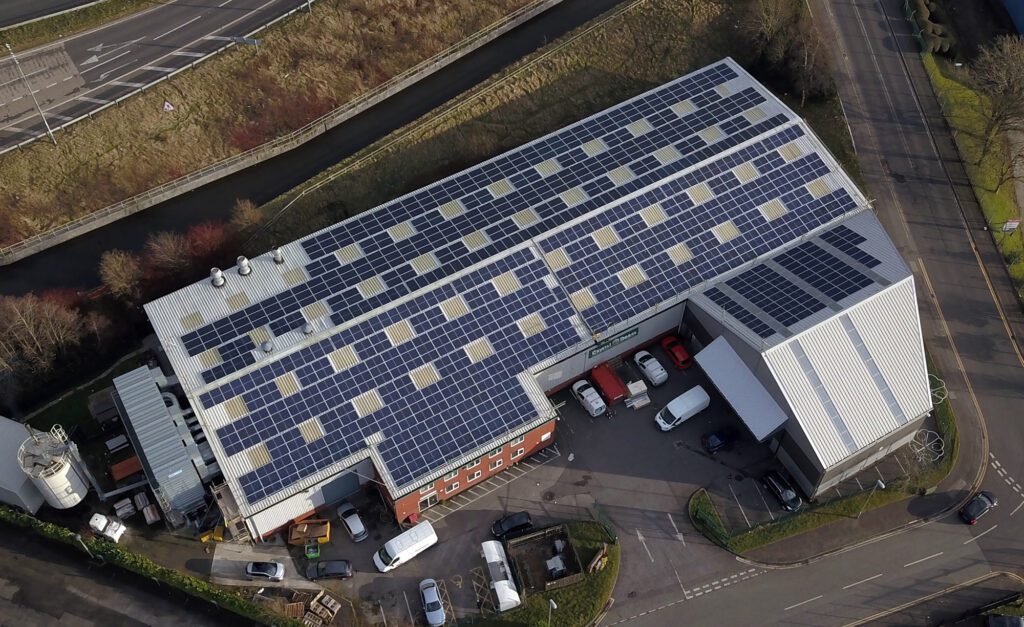
Today, we’re going to talk about something that’s been around for millions of years but has only recently (in the grand scheme of things) been harnessed for power – the sun! That’s right, we’re going to dive into the world of, you guessed it, solar power!
Now, you might be wondering, how can we possibly generate electricity from the sun? Well, it’s actually quite simple. Solar power is generated through the use of photovoltaic (PV) cells. These cells are made up of layers of silicon and other conductive materials that, when exposed to sunlight, create an electrical current. This current is then captured and converted into usable electricity.
But wait, there’s more! Solar power can also be generated through the use of concentrated solar power (CSP) systems. These systems use mirrors or lenses to focus the sun’s rays onto a small area, creating intense heat. This heat is then used to generate steam, which in turn drives a turbine to create electricity. Pretty cool, right? So, whether it’s through PV cells or CSP systems, the sun is a powerful source of renewable energy that we can all benefit from.
The Sunny Side of Things: How is Solar Power Generated?
If you’re wondering how solar power is generated, you’ve come to the right place! At Perfect Sense Energy, we are the experts in this field, and we’re here to shed some light on the subject and give you the lowdown on the basics of solar energy.
Solar panels are the backbone of solar energy generation. They work by converting sunlight into electricity through the use of photovoltaic cells. These cells are made up of layers of silicon, which absorb photons from the sun’s rays and release electrons. These electrons are then captured and used to generate electricity.
But how do solar panels actually capture the sun’s rays? That’s where the magic of solar tracking comes in. Solar panels are typically mounted on a tracking system that follows the sun’s movement throughout the day. This allows the panels to capture the maximum amount of sunlight possible, which in turn increases their efficiency and power output.
The photovoltaic effect is what makes solar panels possible. This effect was first discovered by French physicist Alexandre-Edmond Becquerel in 1839, but it wasn’t until the 1950s that the first practical solar cells were developed.
The photovoltaic effect works by creating a flow of electrons between two layers of material with different electrical charges. When sunlight hits the cells, it knocks electrons loose from their atoms, creating a flow of electricity. This flow of electricity is then captured by the solar cells and used to power homes, businesses, and even entire cities.
The Low-Down on Solar Power System Components
When it comes to solar power, there’s more to it than just sticking a panel on your roof and calling it a day. Let’s take a look at the components that make up a solar power system.
Basking in Batteries: Storage Solutions
Solar panels only generate electricity during daylight hours, so what happens when the sun goes down? That’s where storage solutions come in. Batteries are the most common way to store excess solar energy for later use. They come in a variety of sizes and types, from lead-acid to lithium-ion. Just be sure to choose a battery that’s compatible with your solar panel system.


The Grid vs. The Great Outdoors: Connection Options
Once you’ve generated your own solar power, you have two options for connecting to the rest of the world: the grid or the great outdoors. Grid-tied systems are connected to your local power grid, allowing you to sell excess energy back to the utility company. Off-grid systems, on the other hand, are completely self-contained and rely solely on solar power. This option is great for remote locations or for those who want to live off the grid.
The components you choose can make all the difference. From batteries to connection options, we hope this brief overview has shed some light on the gear behind the glow.
Shedding Light on Solar Installation and Location
Solar panel installation and location are key factors that can greatly affect the efficiency of your system, so let’s look at the importance of choosing the right location and the installation process.
Where to Plant Your Solar Panels
When it comes to solar panel installation, the location of your panels is crucial. You want to make sure that your panels are installed in a location that receives plenty of sunlight throughout the day to achieve maximum efficiency. This means that you’ll need to choose a location that is free from any obstructions, such as trees or tall buildings.
The angle of your panels is also important. Ideally, your panels should be installed at an angle that is equal to the latitude of your location. This will ensure that your panels are able to capture as much sunlight as possible. This can all sound quite complex, so why not get in touch with us at Perfect Sense Energy, for a no-cost desktop assessment?
The installation process for solar panels can vary depending on the type of system you have and the location of your installation. However, there are a few general steps that are typically involved in the process.
Your installer (that’s us!) will first need to assess your location and determine the best location for your panels. They will then need to install the mounting system, which will hold your panels in place.
Next, we will need to connect your panels to your inverter, which will convert the DC power generated by your panels into AC power that can be used in your home. Then, we will need to connect your inverter to your electrical panel, which will allow you to start using your solar power.
The installation process can take anywhere from a few days to a few weeks, depending on the complexity of your system and the location of your installation. But with the right location and installation, you can start enjoying the benefits of solar power in no time!
At Perfect Sense Energy, our solar specialists are committed to providing top-tier service and support, ensuring our solutions help you achieve your energy goals. Get in touch on 01942 367 599 to discuss your commercial solar panel needs.