Electric vehicles (EVs) have zipped into the spotlight, drawing attention for their eco-friendly advantages. As this buzz grows louder, businesses are plugging in, setting up EV charging stations to cater to the rising wave of eco-conscious individuals. Yet, the hefty price tag of installation and upkeep means businesses need to crunch the numbers on the return on investment (ROI) to make sure it’s not just a jolt to their finances.
The maths behind calculating the economic zap of EV charging stations can be quite a tangled web. Figuring out the cost of electricity, number of stations, daily charging sessions, and the duration of each session is like solving a puzzle. Unravelling these factors helps businesses gauge potential revenue from these stations and decide whether the investment is a real spark or just a damp squib.
Let’s steer into the intricate world of evaluating the ROI of EV charging stations for businesses. By the time we’re done here, businesses will be in the driver’s seat with a clearer view of the economic power behind these stations, steering them towards more informed decisions.
Why Businesses Should Jump on the EV Charging Bandwagon
When it comes to reducing their carbon footprint and attracting eco-minded customers, installing EV charging stations is turning into more than just a green gesture. Beyond the feel-good vibes, there are practical reasons why businesses should hit the gas on setting up EV charging stations.
The truth is, the number of electric vehicles is zooming ahead, and the road ahead will only see more EVs. Governments globally are tightening emission standards and pushing for EV adoption. This means more drivers hunting for charging spots as they go about their daily grind. By having EV charging stations, businesses can hop onto this bandwagon, snagging customers who might not have otherwise pulled into their premises.
From a financial viewpoint, installing EV charging stations can rev up the coffers. While the initial installation costs might throttle your budget, businesses can gradually recoup these costs over time. For instance, a shopping centre with EV charging stations might reel in more customers who hang around longer and splash more cash while their cars juice up.
Plus, investing in EV charging stations is a smooth route for businesses to show their commitment to sustainability and corporate social responsibility. This can be a gearshift for businesses eyeing the younger, eco-conscious consumer base.
The reasons to jump aboard the EV charging train are ample. From reeling in fresh customers to showcasing sustainability, the benefits of EV charging stations are as potent as a high-octane fuel blend.
Crunching Numbers: Calculating ROI for EV Charging Stations
In the garage of ROI for EV charging stations, revving the engines involves juggling a few key factors. Buckle up as we navigate through the investment costs, operational costs, and revenue streams associated with these charging stations.
Investment Costs
The initial expenses for an EV charging station can swing widely, based on factors like the number of charging points, charger types, and additional infrastructure requirements. Some key costs to ponder include:
– Equipment costs: Covering the charging units and installation, including wiring.
– Site preparation costs: Might involve additional groundwork depending on the station’s location.
– Ongoing maintenance costs: Factor in the long-term upkeep and repairs needed to paint the full financial picture.
Operational Costs
As well as the starting line expenses, there’s an array of ongoing operational costs:
– Electricity costs: The fuel for these stations, tallying up the electricity expenses.
– Network fees: Some stations might gobble up network fees for access to certain charging networks.
– Maintenance and repair costs: These continuing costs should stay in the budget loop.
Revenue Streams
It’s not all about outgoing expenses; there are also incoming streams to consider:
– Charging fees: Most stations charge for their services, chipping in against the operational costs.
– Advertising revenue: Opportunities for additional revenue through advertising at the charging spots.
– Increased foot traffic: More than just fueling cars, EV charging stations can fuel customer footfall, elevating revenue across the business.
By flipping these digits back and forth, businesses can grasp the ROI for an EV charging station, gaining clarity on whether it’s a green light or a stop sign for their particular venture.
Economic Shockwave: EV Charging Stations and Business
Across the UK, EV charging stations have become the hot new trend for businesses. With the rise of electric vehicles, these charging stations have revved up economic perks for businesses. Let’s peek under the hood at a few ways these stations turbocharge business economics:
Revved-Up Property Value
Installing EV charging stations can put the pedal to the metal for a business’s property value. These stations add a modern, forward-looking touch, attracting tenants and hiking up property values. Investors looking for sustainable businesses find these properties a more appealing pit stop.
Customer Attraction and Retention
Pedal-pushing stations attract and hold on to customers who zoom around in electric vehicles. These drivers tend to pick businesses with charging setups over those without, especially for longer stops like shopping or dining, fueling up both revenue and customer loyalty.

Employee Satisfaction and Retention
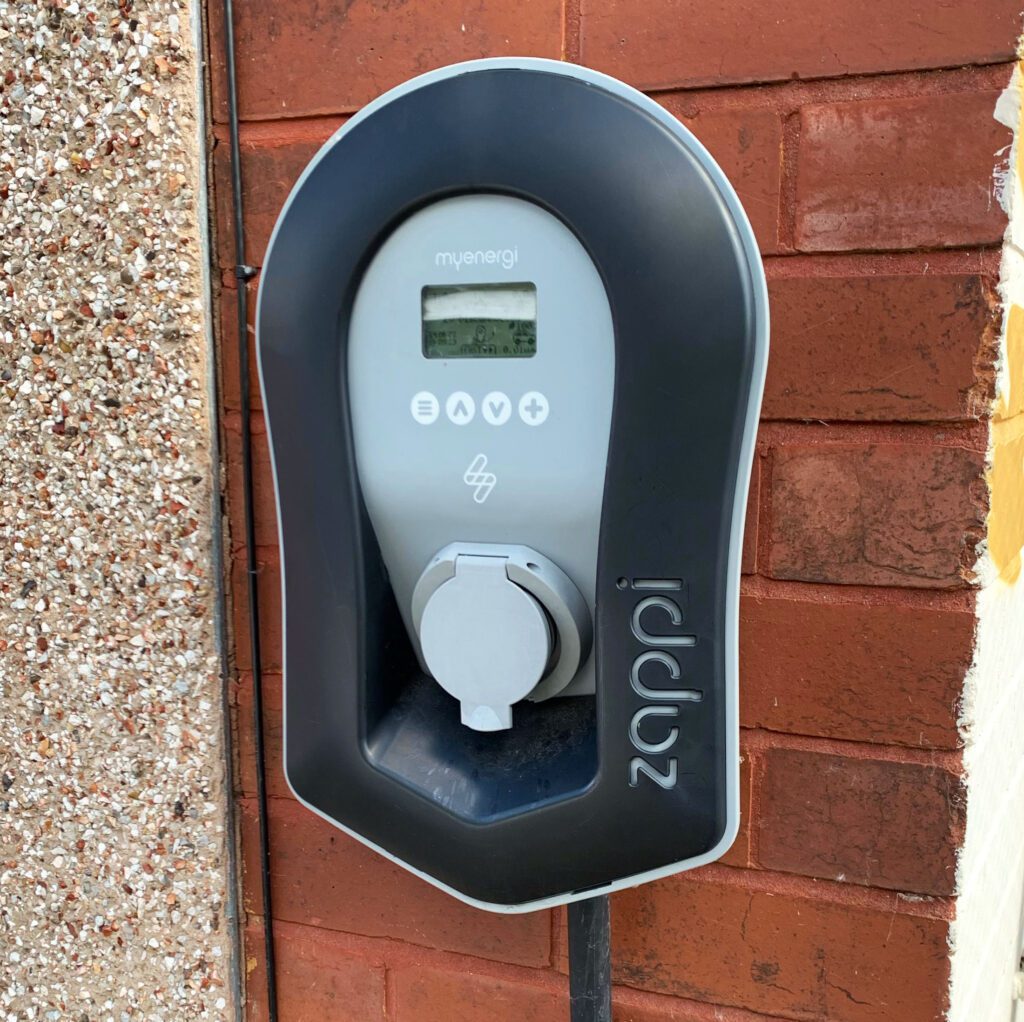
For employees riding the EV wave, having charging stations on-site can charge up their job satisfaction and loyalty. No more fretting about finding a charging spot during the workday, reducing stress and supercharging productivity. Plus, offering these charging amenities is seen as a perk, magnetising and retaining top talent.
The financial bang from EV charging stations for businesses is a real shockwave. By installing these charging points, businesses rev up property values, retain and attract customers, and ignite employee satisfaction and retention.
The Driving Force: Government Incentives and Policies
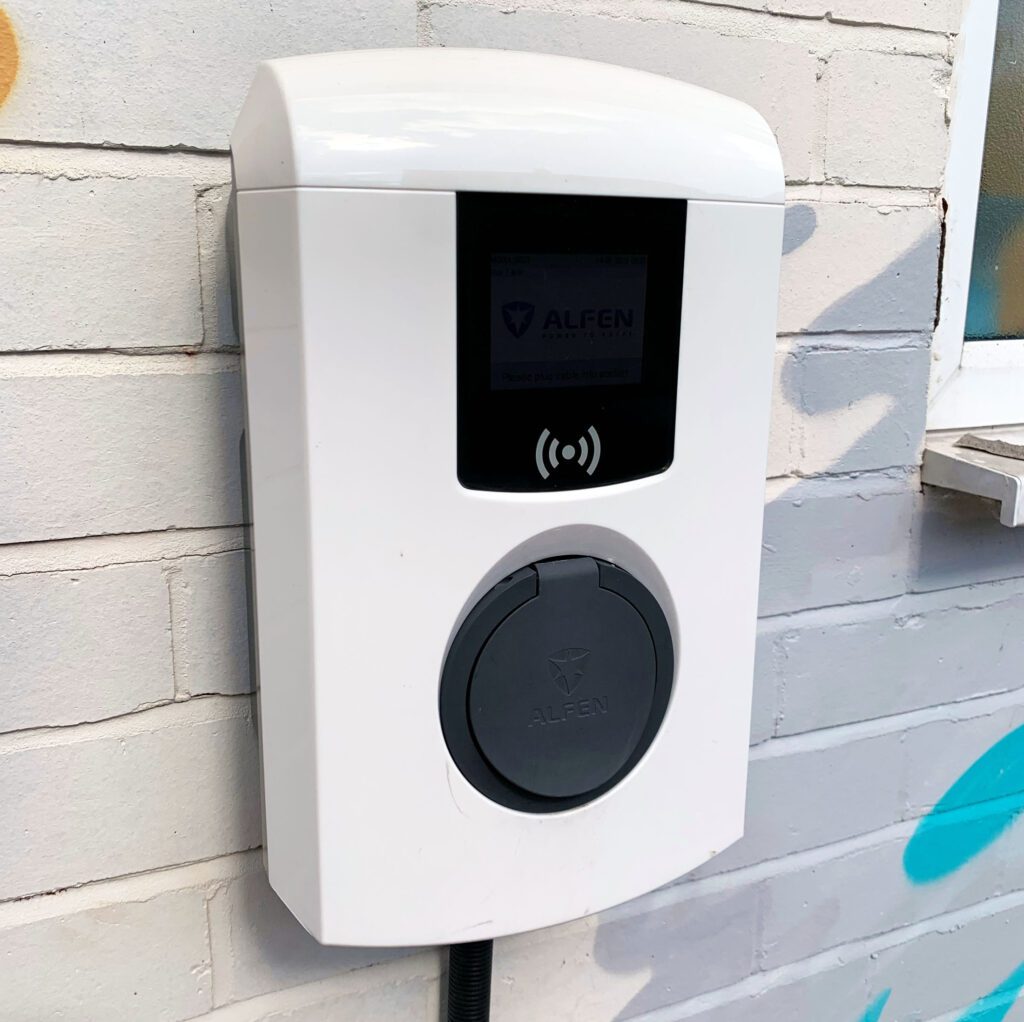
Let’s hit the turbo on this economic drive with a key player: government incentives and policies. These play a crucial role for businesses eyeing EV charging stations, giving them a push in the right direction.
In the UK, the Workplace Charging Scheme (WCS) is a red carpet for businesses installing EV charging stations. Offering up to £350 per charging socket, businesses can bag up to £14,000 in grants, steering these charging stations into more financially viable territory.
That’s not all, as the UK government steps on the accelerator, offering additional incentives for businesses installing EV charging stations. They can claim 100% first-year capital allowances on these stations, easing their taxable profits.
Zooming towards a target of all new cars and vans being zero-emission by 2035, the UK government is rolling out policies to promote EV uptake. Grants for EV purchases and tax incentives for EV owners are part of the gearshift towards this electrifying future.
Government incentives and policies slam on the accelerator for the ROI of EV charging stations. By riding the wave of these incentives, businesses can power through the installation and operation costs, making these stations more economically attractive.
Perfect Sense Energy offers tailored energy-saving solutions that not only trim carbon footprints, but also rev up cost efficiency, fueling savings on energy expenses in the long run. Dial us up for a no-cost desktop assessment and shift gears toward a greener, economically savvy future!