
Restaurants use a lot of electricity during the day from refrigeration and prep equipment to ventilation and lighting. That makes solar a natural fit for cutting energy bills without changing how your business operates.
Solar panels won’t run a restaurant on their own, but they can significantly reduce how much power you need from the grid during trading hours. The key is choosing panels that suit your roof, your budget, and the realities of a busy kitchen.
Below are five solar panel options that are particularly well suited to restaurant buildings in the UK.
1. REC Alpha Pure-R
What It Is
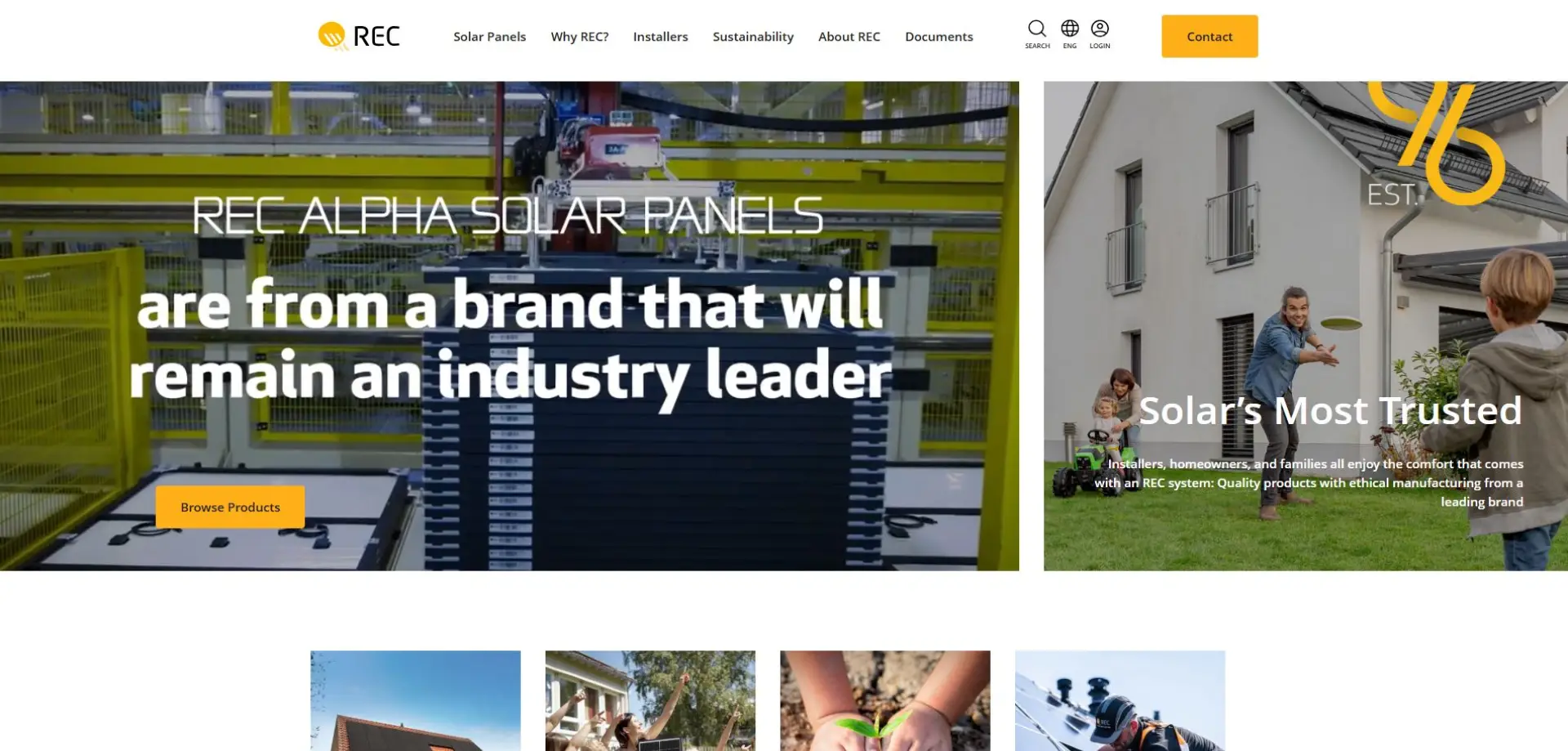
A premium-feeling solar panel range designed to squeeze more output from limited space, with strong published warranty terms.
Who It’s For
- Restaurants with small roofs (think city centres and high streets).
- Owners who want long-term peace of mind, not constant tinkering.
Funding/Benefit
- Designed to produce strong output from limited space.
- Warranty terms are clearly stated (helpful when you’re comparing options).
Geographic Scope
Available in the UK through commercial solar installers.
How to Apply
- Get a quick roof and shading check.
- Ask for a design that maximises generation from your available area.
- Confirm warranty terms and the exact model on the quote.
Pros
- Great for limited roof space.
- Clear warranty positioning.
- Smart option if you want “fit it and forget it”.
Cons
- Often priced above budget ranges.
- You may not need this level of premium for every site.
Website: recgroup.com
2. Trina Vertex S+

What It Is
A popular panel range for commercial rooftops, often pitched as a reliable, practical choice with long power-warranty options depending on model.
Who It’s For
- Restaurants that want a strong “workhorse” option.
- Sites where you want good performance without premium pricing.
Funding/Benefit
- Strong output-focused range with long-term warranty positioning (varies by exact model).
- Often designed with mainstream rooftop installs in mind.
Geographic Scope
Generally well supported in UK commercial supply chains.
How to Apply
- Confirm your roof area and preferred layout.
- Choose the best-fit Vertex S+ model your installer can supply.
- Double-check the warranty period stated on the proposal matches the model.
Pros
- Strong “value + performance” balance.
- Good fit for typical commercial rooftops.
- Widely specified, so easier to compare quotes.
Cons
- Warranty details depend on the exact model.
- Lots of variants, so you need the precise datasheet.
Website: trinasolar.com
3. Qcells Q.TRON

What It Is
A modern Qcells module range with clear published warranty details for certain variants, and an option that suits limited rooftop spaces.
Who It’s For
- Restaurants that want a recognisable, trusted brand.
- Sites where appearance matters (for example, a roof that’s visible from surrounding buildings).
Funding/Benefit
- Good output from limited roof area (by design positioning).
- Published warranty information you can actually check and compare.
Geographic Scope
Typically available via UK installers.
How to Apply
- Decide whether aesthetics matter (standard vs black look).
- Ask for a quote that specifies the exact Q.TRON variant.
- Check the warranty terms included match that product range.
Pros
- Strong brand confidence.
- Clear warranty references for comparison.
- Sensible option for smaller commercial roofs.
Cons
- Product pages and warranties can differ by region/version.
- You’ll want the installer to confirm availability before you commit.
Website: qcells.com
4. LONGi Hi-MO 6
What It Is
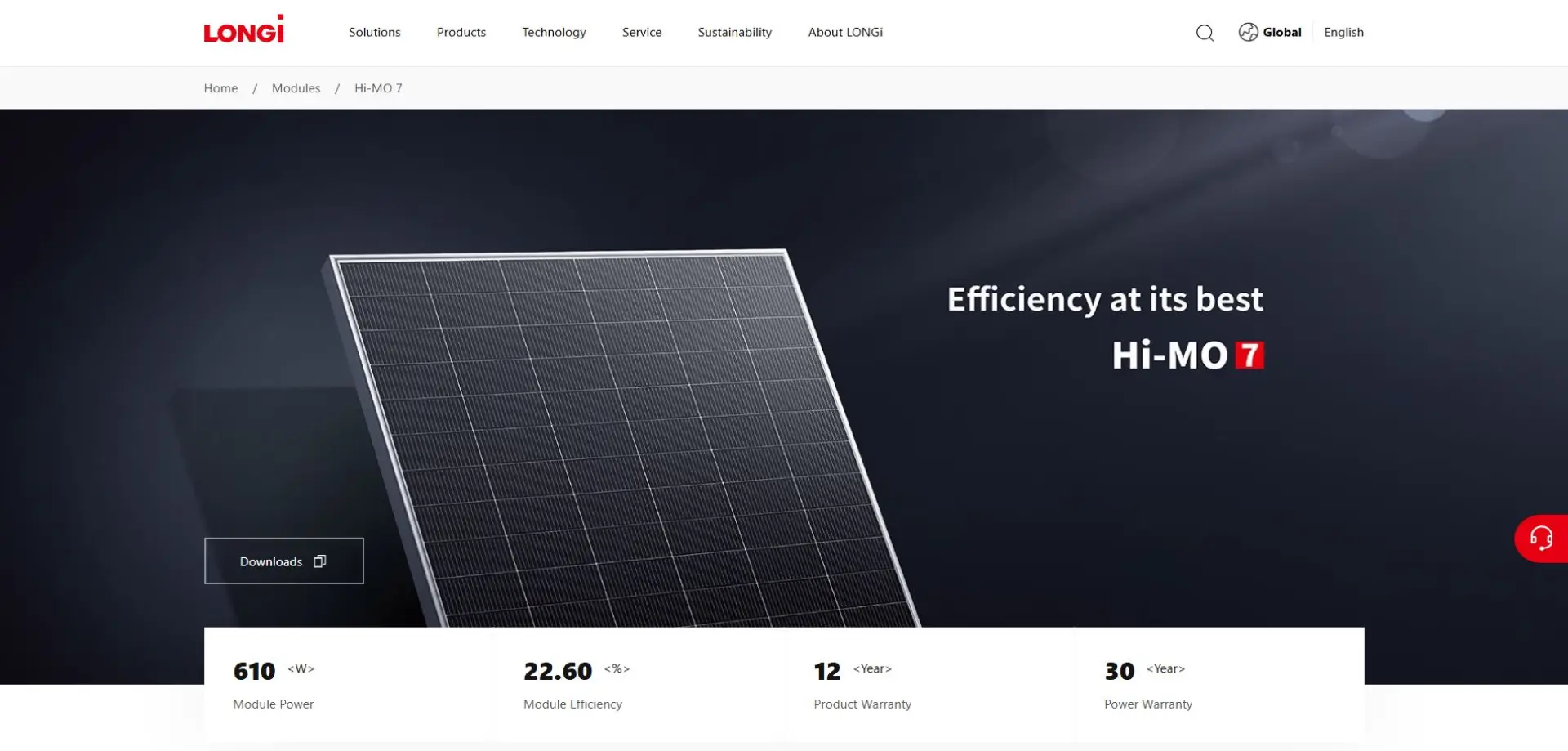
A widely used panel family from a major manufacturer, with product brochures and documentation to support spec checks.
Who It’s For
- Restaurants that want a mainstream, sensible choice.
- Multi-site operators who value a consistent, scalable option.
Funding/Benefit
- Strong performance positioning across a widely deployed product family.
Geographic Scope
Commonly available through commercial solar supply chains in the UK/EU.
How to Apply
- Ask your installer which Hi-MO 6 variant they recommend for your roof.
- Compare predicted annual generation (not just panel count).
- Confirm the exact datasheet and warranty details on the quote.
Pros
- Widely used product family.
- Often easier to source at scale.
- Solid “no drama” option for standard roofs.
Cons
- Lots of variants (easy to mix up if the quote isn’t specific).
- Best choice depends on roof layout and shading.
Website: longi.com
5. Canadian Solar TOPHiKu6 (All-Black option)

What It Is
A modern module range with an all-black option and datasheets that call out warranty terms (with conditions depending on where and how it’s installed).
Who It’s For
- Restaurants that want a smart-looking install.
- Projects where you want good commercial value with clear documentation.
Funding/Benefit
- Clear warranty statements in datasheets (with terms and conditions that must be checked).
- All-black options can look tidier on visible rooftops.
Geographic Scope
Generally available through UK commercial installers.
How to Apply
- Decide if you want standard or all-black panels.
- Ask your installer to confirm warranty terms for your site type (rooftop, region).
- Compare total system output and payback, not just panel price.
Pros
- Good value for many commercial installs.
- All-black option for cleaner aesthetics.
- Documentation helps comparisons.
Cons
- Warranty terms may have conditions — you need to check the details.
- Like all ranges, performance varies by exact model.
Website: canadiansolar.com
Ranking Methodology
To ensure clarity and transparency, we ranked solar panels using the following criteria:
| Criterion | Weight (%) | Description |
| Value for Money | 30% | How strong the overall return looks for a typical restaurant budget not “cheapest”, but best long-term value. |
| Performance in Limited Space | 25% | How much energy you can generate when roof space is tight. |
| Reliability & Warranty | 20% | Warranty length and clarity, plus confidence in long-term support. |
| Looks & Rooftop Practicality | 15% | Whether it’s a tidy-looking install and practical for common rooftop layouts. |
The Bottom Line
Whether you’re running a local independent restaurant or managing a growing group of sites, there’s likely a solar panel option that fits your roof, your budget, and your plans. With the right support, making your business more sustainable doesn’t have to be complicated.
Perfect Sense Energy can help you compare the best options, design a solar system that suits your restaurant’s energy use, and guide you from quote to installation with confidence. Get in touch with Perfect Sense Energy today and let’s bring clean energy to your restaurant.
FAQs
Are solar panels worth it for restaurants?
Yes. Restaurants often use lots of electricity during the day (fridges, prep, ventilation), so solar can reduce daytime grid use and lower bills.
What’s the best type of solar panel for a restaurant roof?
Usually, a high-output panel that makes the most of limited roof space, backed by a strong warranty. The “best” choice depends on your roof size, shading, and budget.
Do solar panels work on flat restaurant roofs?
Yes. Flat roofs are very common for commercial solar. Panels are typically mounted on angled frames to capture sunlight efficiently (your installer will design this around wind and roof loading).
What if my roof gets shade from nearby buildings?
Solar can still work, but the design matters more. A good installer will model shading and recommend a layout (and equipment) that reduces losses.
How do I choose between premium panels and more affordable ones?
If your roof space is limited or you want maximum long-term certainty, premium can make sense. If you’ve got enough space and a tighter budget, a solid mid-range option can still deliver excellent returns.