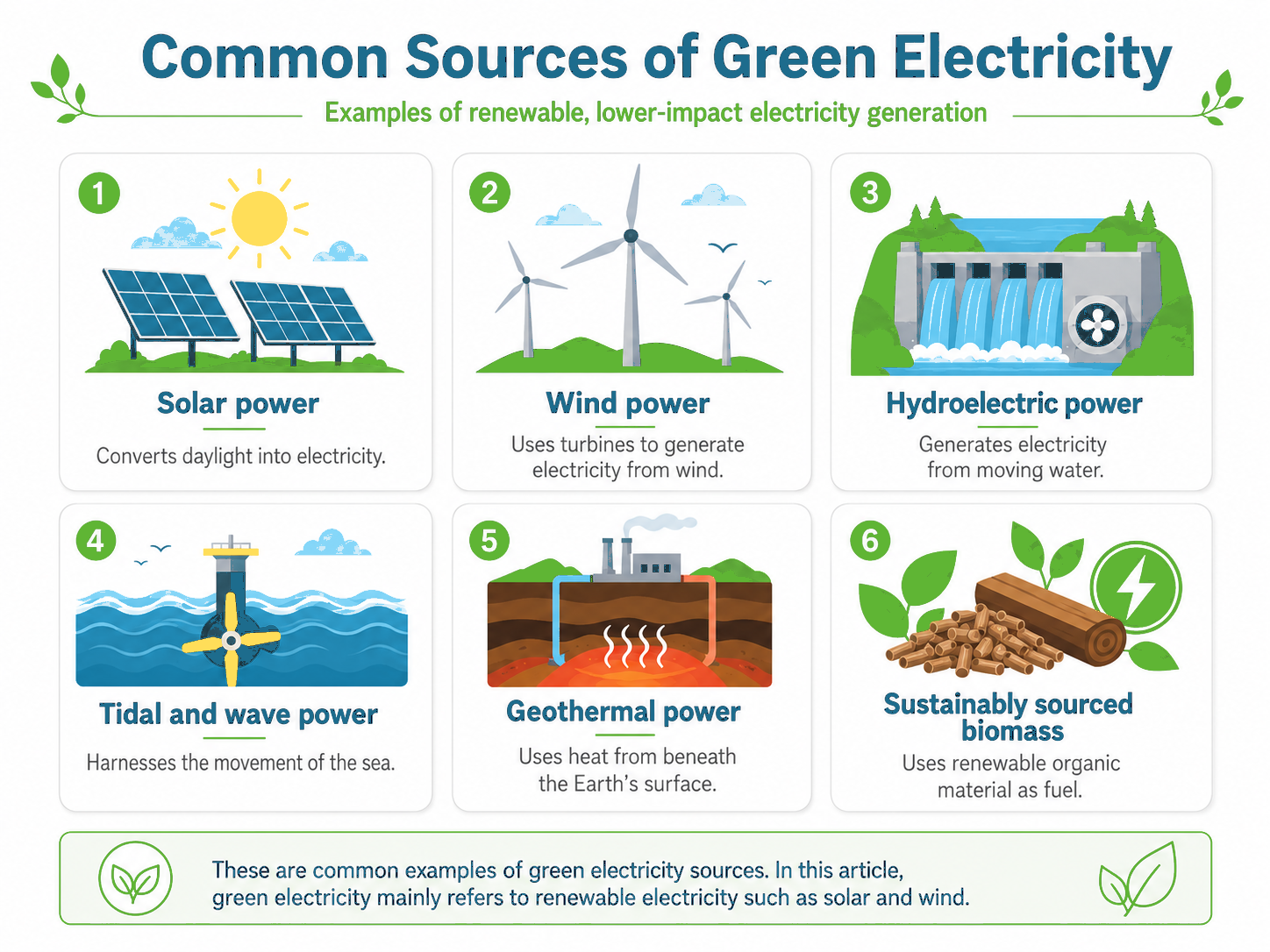


Forward-thinking companies are investing in low-carbon technologies, smarter operations, and data-led strategies to reduce emissions and meet both regulatory and customer expectations. Cloud platforms play a key role in enabling this shift, offering scalable tools that help businesses track usage, optimise performance, and integrate renewables more effectively.
To help you identify the best technology partners for this transition, we’ve compiled a list of ten standout cloud service providers that are making waves in the energy sector. This guide will help you find platforms that can genuinely support your net-zero journey.

1. Microsoft Azure
Microsoft Azure is a top-tier global cloud provider offering a wide suite of services across industries. Through Azure Energy Data Services, Microsoft delivers tailored tools for utilities, renewables, and energy retailers, focusing on data integration, real-time analytics, and digital twins.
Why It’s Great for the Energy Sector
- Offers a dedicated platform for energy data and grid analytics
- Strong support for digital twin technology in energy infrastructure
- Scalable AI and machine learning tools for demand forecasting
- Seamless integration with IoT and operational technology
- Trusted by major energy providers worldwide
Real-World Example
bp uses Azure to unify and analyse its global energy data, enabling smarter decisions and real-time visibility across assets.
Best For
Large utilities and energy tech firms looking to scale digital capabilities with Microsoft’s robust ecosystem.
2. Amazon Web Services (AWS)
AWS is a global cloud leader with tailored offerings through its Clean Energy Accelerator and Energy Competency program. It supports the energy transition with tools for smart grid tech, renewables, and sustainable innovation.
Why It’s Great for the Energy Sector
- Broad portfolio of energy-specific partners and integrations
- Leader in energy data lakes and AI-powered grid forecasting
- Focus on innovation via the AWS Clean Energy Accelerator
- Secure and scalable infrastructure for energy operations
- Open data exchange for collaboration and speed
Real-World Example
National Grid uses AWS for its data-driven digital transformation, streamlining energy distribution and maintenance.
Best For
Energy companies seeking innovation and global-scale cloud performance.
3. Google Cloud Platform (GCP)
Google Cloud is known for its sustainability-first approach and AI/ML capabilities. Its offerings include tools for smart energy management, carbon tracking, and renewable forecasting—making it ideal for forward-thinking energy businesses.
Why It’s Great for the Energy Sector
- Industry-leading carbon-neutral infrastructure
- Strong AI for predictive energy modelling and load balancing
- Seamless data integration via BigQuery and Looker
- Transparent ESG reporting tools
- Innovative partnerships in smart building energy optimisation
Real-World Example
ENGIE uses Google Cloud to forecast renewable energy generation and optimise grid balancing.
Best For
Energy firms focused on sustainability, smart grid optimisation, and AI-led insights.
4. Siemens MindSphere
Siemens MindSphere is an industrial IoT-as-a-service platform built for sectors like energy, utilities, and manufacturing. It connects physical assets with digital intelligence to drive efficiency and sustainability.
Why It’s Great for the Energy Sector
- Purpose-built for industrial energy use cases
- Real-time monitoring of grid assets and plant machinery
- Integration with SCADA and OT systems
- Strong European and industrial pedigree
- Built-in predictive maintenance tools
Real-World Example
E.ON uses MindSphere for real-time grid monitoring, enabling predictive maintenance and operational insights.
Best For
Power plants, utilities, and industrial energy users seeking asset-level visibility.
5. IBM Cloud
IBM Cloud combines hybrid cloud infrastructure with deep AI, analytics, and blockchain services. Its Watson AI and Maximo platforms are especially strong in asset-heavy industries like energy.
Why It’s Great for the Energy Sector
- AI-powered demand forecasting and asset management
- Hybrid cloud solutions ideal for regulated industries
- Blockchain for energy traceability and trading
- Sustainability dashboards for ESG reporting
- Long history with grid and utility partners
Real-World Example
IBM helped Iberdrola develop smart grid systems for real-time insights and predictive maintenance across Europe.
Best For
Enterprises with complex or legacy systems seeking AI-driven transformation.
6. GE Vernova (Predix)
Predix, from GE Vernova, is a platform built specifically for the energy and industrial sectors. It focuses on operational optimisation, predictive maintenance, and real-time data for turbines, grids, and power plants.
Why It’s Great for the Energy Sector
- Energy-first design for power generation and grids
- Predictive maintenance for critical assets
- Integration with industrial control systems
- Strong visualisation tools
- Developed by a leading energy OEM
Real-World Example
GE’s Predix platform supports the monitoring of over 180 GW of power generation assets worldwide.
Best For
Operators of large-scale power plants, grids, and renewable farms.
7. Schneider Electric EcoStruxure
EcoStruxure is Schneider Electric’s IoT-enabled architecture for energy automation and efficiency. It connects cloud, edge, and on-site systems to optimise energy use in buildings and infrastructure.
Why It’s Great for the Energy Sector
- Modular energy automation for buildings, factories, and data centres
- Strong sustainability and efficiency focus
- Excellent visibility into energy usage and savings
- Integration with renewable and storage solutions
- Cybersecurity-ready OT architecture
Real-World Example
Nestlé uses EcoStruxure to reduce energy use across its global manufacturing sites.
Best For
Commercial buildings, factories, and smart campuses aiming for high-efficiency operations.
8. Oracle Energy and Water
Oracle’s cloud suite for the energy sector focuses on utilities and water providers. It supports customer experience, billing, outage management, and energy data intelligence.
Why It’s Great for the Energy Sector
- Built specifically for regulated utilities
- Unified platform for billing, analytics, and operations
- Strong in smart meter data handling
- Customer self-service and outage notification tools
- Supports clean energy and demand-side management
Real-World Example
Portland General Electric uses Oracle to manage its full customer operations, from billing to renewables enrollment.
Best For
Electric and water utilities modernising customer experience and billing systems.
9. Honeywell Forge
Honeywell Forge is an enterprise performance management platform combining IoT, analytics, and cloud tools. It’s geared toward energy-intensive industries with high operational complexity.
Why It’s Great for the Energy Sector
- Energy performance monitoring across industrial sites
- Predictive maintenance using IoT + analytics
- Real-time operational insights
- Secure, enterprise-grade cloud
- Built by an industrial automation leader
Real-World Example
Used in oil and gas refineries to track energy efficiency, equipment health, and emissions.
Best For
Large industrial energy users in manufacturing, oil & gas, and processing sectors.
10. Uptake
Uptake is a data science and AI company that helps asset-heavy industries optimise operations. It provides predictive analytics specifically for energy, mining, and transportation.
Why It’s Great for the Energy Sector
- Tailored AI for turbine, pipeline, and plant efficiency
- Predictive maintenance for remote assets
- Easy-to-deploy cloud-native tools
- Insights from equipment-level data
- .Works with both traditional and renewable energy clients
Real-World Example
Enbridge uses Uptake for predictive analytics across its gas pipeline network.
Best For
Asset-heavy mid-size energy businesses needing AI-powered reliability and cost savings.
Our Selection Methodology
1. Energy Sector Focus
We selected cloud providers that either specialise in or have proven solutions for the energy sector, such as utilities, renewables, or energy analytics.
2. Product Relevance
We’ll prioritise companies offering services that directly support digital transformation in energy.
3. Scalability & Ease of Integration
The solution should be scalable for different business sizes and easy to integrate with existing systems — whether a small solar installer or a large utility.
4. Track Record and Adoption
We’ll include companies that have proven success in the energy industry, not just newcomers or unproven startups. We’ll balance trust and innovation.
5. Sustainability Alignment
Given that the energy sector is increasingly tied to net-zero goals, we’ll include providers that actively support.
The Bottom Line
From energy data insights to predictive maintenance and carbon tracking, these cloud providers are helping reshape how the energy sector operates. Choosing the right partner can save time, cut costs, and bring your business closer to its environmental goals.
If you’d like to turn sustainability into a strategic advantage, we’d love to hear from you. At Perfect Sense Energy, we help businesses reduce energy waste and build future-ready solutions. Let’s create your roadmap to net-zero—Get in touch today.
FAQs
What is the best cloud service for energy companies?
The best cloud service for energy companies depends on your specific needs, but top providers include Microsoft Azure, AWS, and Google Cloud. These platforms offer powerful tools for energy analytics, smart grid management, and sustainability tracking, with proven use cases in utilities, renewables, and manufacturing.
Why should energy companies use cloud computing?
Energy companies should use cloud computing to improve efficiency, reduce operational costs, and support sustainability goals. Cloud platforms enable real-time data monitoring, predictive maintenance, and easier integration of renewable energy sources, helping businesses modernise and meet net-zero targets.
Which cloud platforms are used in the renewable energy sector?
Popular cloud platforms used in the renewable energy sector include AWS, Microsoft Azure, Google Cloud, and GE Vernova’s Predix. These providers support solar, wind, and storage projects with scalable analytics, IoT integration, and carbon reporting tools.
How does cloud computing support net-zero goals in energy?
Cloud computing supports net-zero goals by enabling energy companies to track carbon emissions, optimise energy usage, and adopt smart automation. It provides the digital backbone for managing clean energy data, reducing waste, and reporting ESG metrics transparently.
What are the key features of cloud platforms for energy businesses?
Key features of cloud platforms for energy businesses include real-time data analytics, IoT device integration, predictive maintenance, carbon footprint tracking, and energy efficiency dashboards. These tools help energy firms operate smarter, cleaner, and more cost-effectively.