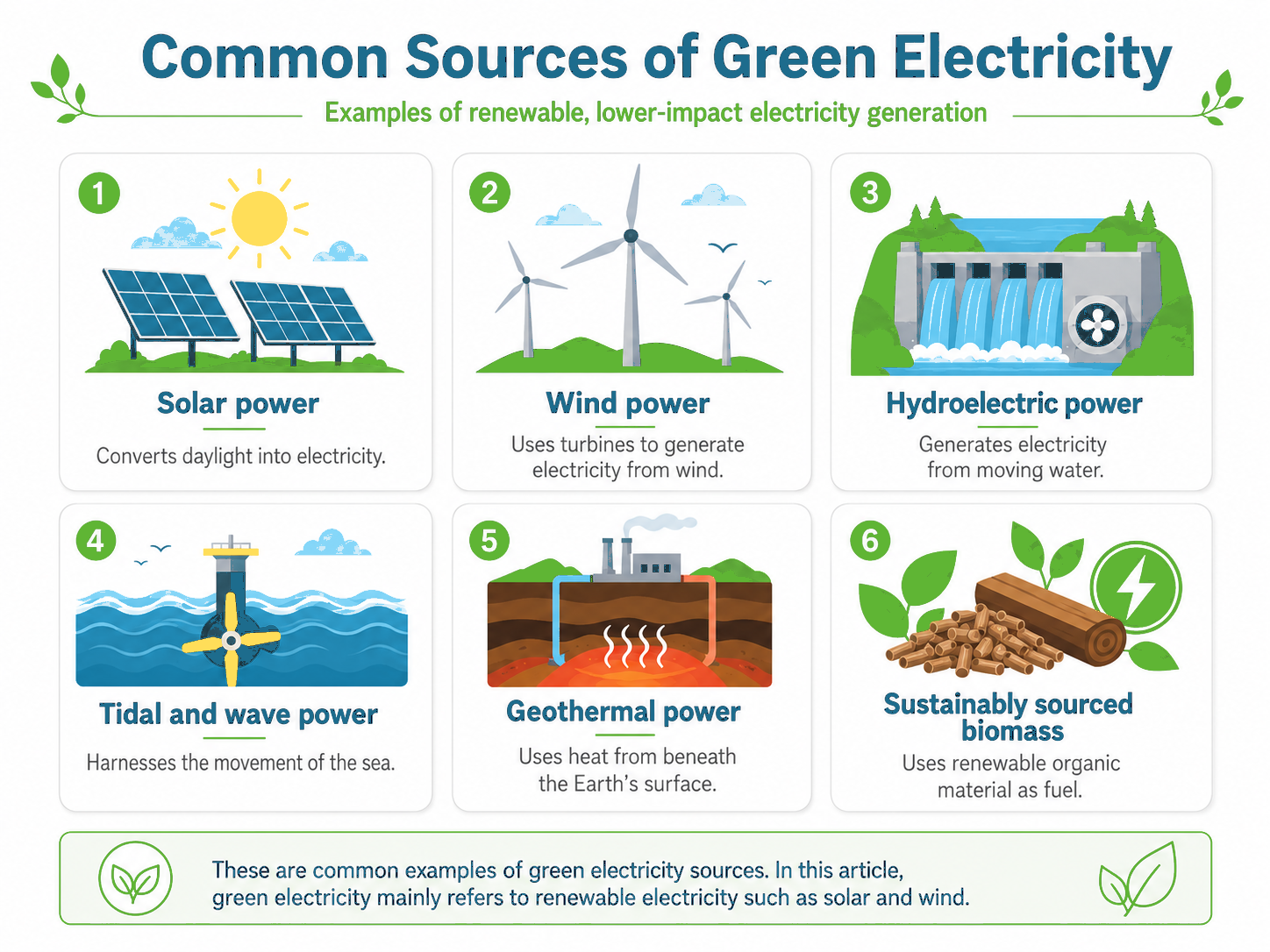

With energy prices soaring and environmental targets tightening, more UK businesses are turning to renewable energy as a smart, forward-thinking investment. From lower operating costs to enhanced sustainability credentials, the benefits go far beyond just going green.
Here, we explore the top seven advantages of renewable energy — and why making the switch now could set your business up for long-term success.
1. Lower Energy Bills
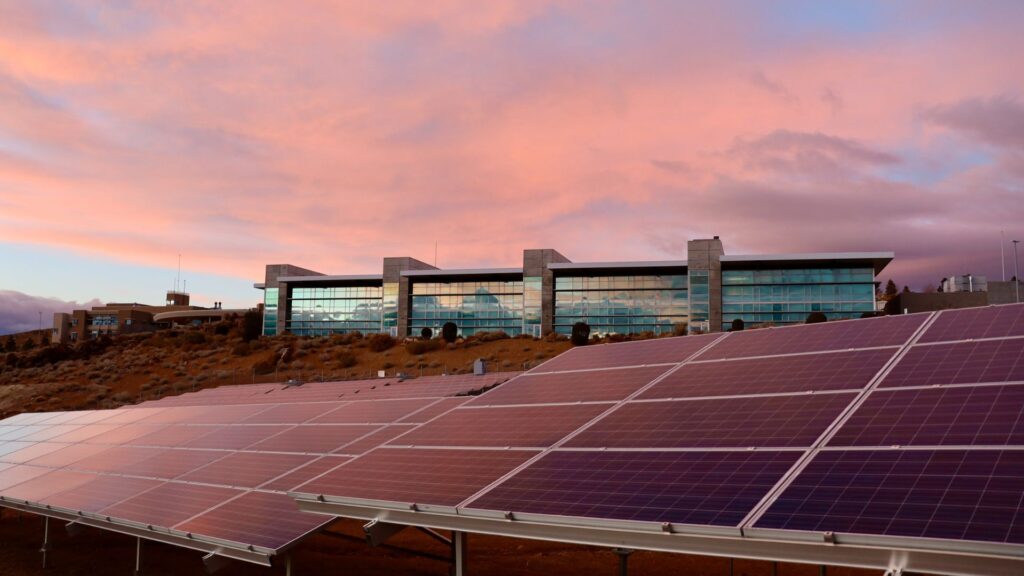
Renewable energy systems like solar let you generate your own electricity, cutting your reliance on the grid. This means long-term savings and protection from rising energy costs.
What it means for your business:
Reduced overheads and more predictable monthly energy spend. It’s a cost-control strategy with long-term payoff.
Who qualifies or benefits:
Businesses with high daytime usage and roof or land space. From retail to warehousing, most sectors can benefit.
Common misconceptions:
Some believe renewables aren’t viable in cloudy climates. In reality, solar works efficiently even in the UK.
The numbers behind it:
UK businesses can cut bills by 50–70% with solar. Payback often starts within 4–6 years, even faster with incentives.
How to take advantage:
Start with a professional energy audit or solar site survey. Providers like Perfect Sense Energy offer full feasibility reports.
2. Access to Government Incentives
The UK offers grants and schemes that reduce upfront costs and pay you for excess energy. These improve ROI and shorten payback time.
What it means for your business:
You’ll spend less to get started and may generate ongoing income. Some schemes also offer tax advantages.
Who qualifies or benefits:
SMEs to large enterprises can benefit, especially those investing in solar, heat pumps, or biomass systems.
Common misconceptions:
Many think grants are hard to get or only for homeowners. In fact, commercial systems are often prioritised in funding rounds.
The numbers behind it:
The Smart Export Guarantee (SEG) pays for exported power. Other programmes like the Boiler Upgrade Scheme offer up to £7,500.
How to take advantage:
Research current schemes or work with an installer who handles applications. Timely submissions increase success rates.
3. Improved Energy Security
Renewables reduce dependence on volatile grid supply and imported fuels. They provide greater stability and resilience.
What it means for your business:
Less risk of power interruptions and price shocks. You’re more in control of your energy future.
Who qualifies or benefits:
Ideal for rural or industrial businesses where outages impact operations. Also valuable for mission-critical facilities.
Common misconceptions:
Some think backup is only possible with diesel generators. But battery storage with renewables is a clean, reliable alternative.
The numbers behind it:
In 2023, UK grid demand fluctuations rose by 30%. Businesses with storage can ride out blackouts and avoid peak pricing.
How to take advantage:
Combine solar with a battery storage system. This lets you store excess energy and use it when grid supply is unstable.
4. Reduced Carbon Footprint
Using renewable energy lowers your greenhouse gas emissions immediately. It’s a key step toward meeting Net Zero goals.
What it means for your business:
You’ll cut emissions and meet environmental targets. This supports ESG commitments and supply chain requirements.
Who qualifies or benefits:
All businesses contribute to emissions and can improve. Public-sector organisations may have stricter requirements.
Common misconceptions:
Some assume carbon reduction is only symbolic. But it’s often quantifiable and part of regulatory compliance.
The numbers behind it:
Energy accounts for over 75% of UK carbon emissions. Switching to renewables directly reduces your Scope 2 emissions — the carbon from purchased electricity.
How to take advantage:
Track your carbon output and install renewables to offset it. You can even report these reductions in ESG statements.
5. Enhanced Business Reputation
Being seen as green builds trust with customers, partners, and investors. Sustainability is now a business expectation.
What it means for your business:
It improves brand image and builds stakeholder confidence. Sustainability efforts are often a key part of client pitches.
Who qualifies or benefits:
Consumer-facing brands, B2B suppliers, and firms seeking investment all gain from a greener image.
Common misconceptions:
Many think green initiatives don’t influence customer decisions. But most buyers prefer brands that align with their values.
The numbers behind it:
70% of UK consumers say they prefer to support eco-conscious businesses. Green credentials can also aid in recruitment.
How to take advantage:
Publicise your efforts through case studies or certifications. Even a rooftop solar array makes a strong visual statement.
6. Future-Proofing Against Regulation
Renewables help businesses comply with tightening carbon and energy regulations. This protects against fines and restrictions.
What it means for your business:
You’ll stay ahead of evolving laws and reduce future risk. Compliance may also open doors to green funding or partnerships.
Who qualifies or benefits:
Any business operating buildings or fleets must plan for stricter standards. Especially true for construction, logistics, and manufacturing.
Common misconceptions:
Some believe only large companies are affected. But regulations are expanding to include SMEs and commercial landlords.
The numbers behind it:
By 2030, all commercial rentals must meet EPC Band B — a government-set standard for energy efficiency. Renewable energy helps lift ratings quickly and cost-effectively.
How to take advantage:
Audit your current compliance status and forecast future requirements. Build renewables into your long-term energy strategy.
7. Job Creation and Local Economic Growth
Renewable projects support skilled jobs and stimulate local economies. Your investment has wider social impact.
What it means for your business:
You contribute to green job creation and community development. It’s a positive message for customers and councils alike.
Who qualifies or benefits:
Any business installing or partnering with local renewable providers. Regional economies benefit from keeping work in the UK.
Common misconceptions:
Some think renewables hurt traditional jobs. But the sector often reskills workers and supports long-term employment.
The numbers behind it:
The UK renewable sector supports over 250,000 jobs — expected to reach over 400,000 by 2035.
How to take advantage:
Choose installers with local teams and apprenticeships. Publicise how your project contributes to green growth.
Why These 7 Advantages Matter Most
Not all benefits are created equal — here’s how we selected the most impactful ones for UK businesses.
- Tangible Business Value: We chose advantages with clear financial or operational benefits, like cost savings or reduced risk.
- Aligned with UK Incentives & Policy: Each point reflects current UK regulations or support schemes, making it practical and relevant.
- Relevant Across Industries: These advantages apply widely — from retail and logistics to education and property.
- Counters Common Misconceptions: We tackled common doubts, such as high costs or poor performance in the UK climate.
- Long-Term Strategic Impact: Each advantage supports future growth, regulation compliance, and sustainability goals.
The Bottom Line
Renewable energy isn’t just good for the planet — it’s good for business. From cutting costs and carbon to improving resilience and reputation, the benefits are real, measurable, and long-lasting.
If you’re ready to take the next step towards a more sustainable, cost-effective future, get in touch with Perfect Sense Energy. Our expert team can guide you through your options and design the right solution for your site.
FAQs
What are the main benefits of renewable energy for businesses?
The main benefits of renewable energy for businesses include lower energy bills, access to government incentives, improved energy security, reduced carbon emissions, and enhanced brand reputation. It also helps companies futureproof against environmental regulations.
How much can a UK business save by switching to renewable energy?
UK businesses can save between 50% and 70% on their electricity bills by installing solar panels or other renewable systems. The exact savings depend on system size, energy usage, and access to incentives like the Smart Export Guarantee.
Is renewable energy reliable in the UK climate?
Yes, renewable energy systems such as solar and wind are reliable in the UK. Modern solar panels generate power even on cloudy days, and battery storage ensures consistent supply during low generation or peak demand periods.
Can small businesses benefit from renewable energy?
Absolutely. Small businesses can benefit from reduced operating costs, improved energy efficiency, and access to government support schemes. Many renewable solutions are scalable and tailored for smaller properties or limited budgets.
How do I get started with renewable energy for my business?
Start by contacting a trusted renewable energy provider like Perfect Sense Energy for a site assessment or feasibility study. They’ll evaluate your usage, location, and goals to recommend the right solution and help you access available incentives.