
As the world shifts toward sustainable energy solutions, solar power continues to play a pivotal role in the global energy transition. The solar energy sector has seen remarkable growth over the past few years, driven by advancements in technology, government incentives, and a growing awareness of environmental concerns.
Whether you’re looking to buy solar panels or simply want to learn more about the solar industry as a whole, we gather some facts and figures and the latest statistics here, in hopes of highlighting the progress and potential of this renewable source both in the UK and beyond.
An Introduction to Solar Energy
Before we dive into the numbers, let’s touch on what solar energy is!
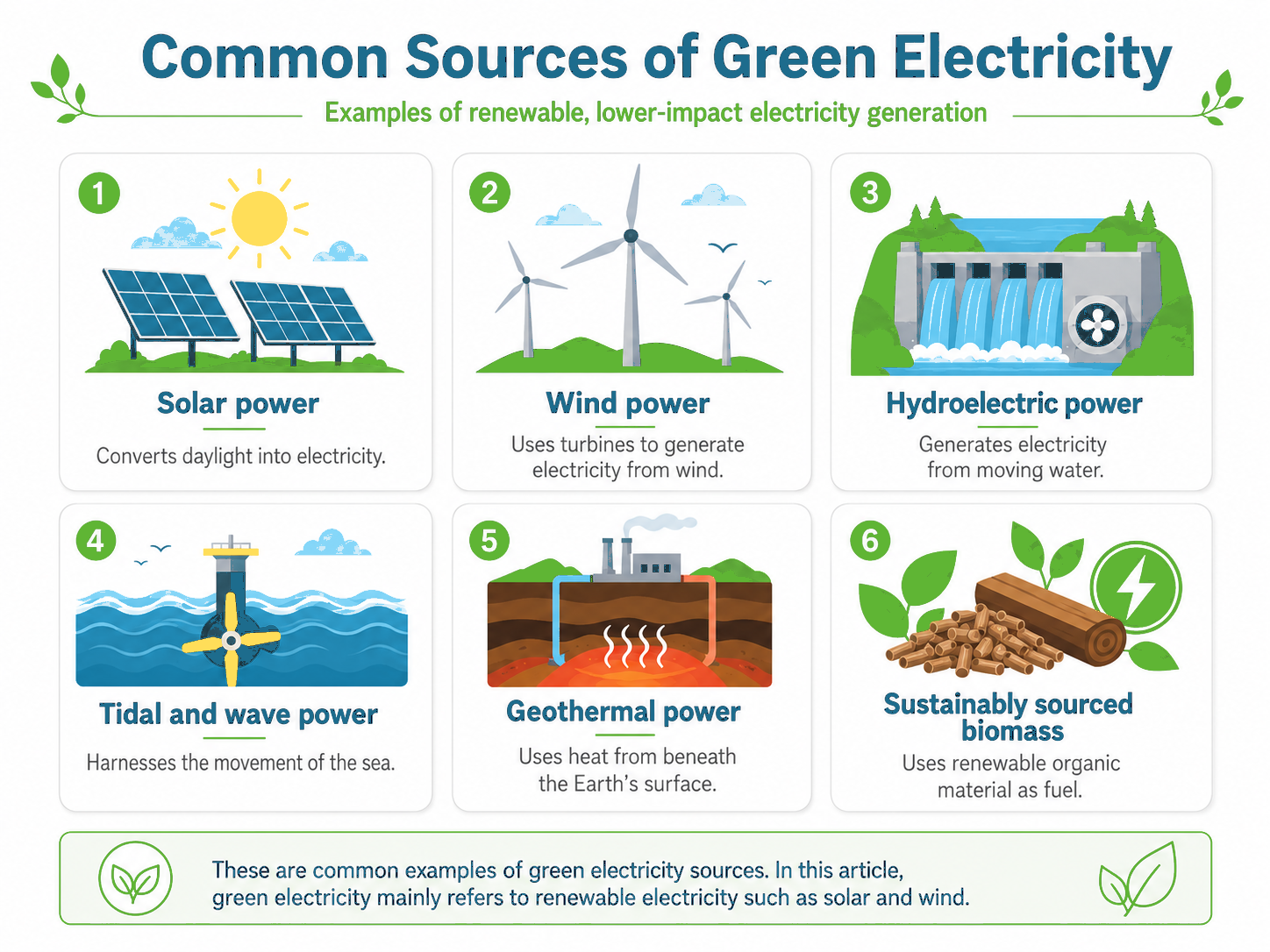
Solar energy is a renewable and sustainable source of power that harnesses the energy from the sun to generate electricity or heat. It works by using solar panels, made of photovoltaic (PV) cells, which convert sunlight into electricity. This clean energy alternative reduces reliance on fossil fuels, which helps to decrease greenhouse gas emissions and combat climate change.
Solar energy is versatile and can be used in various applications, from powering homes and businesses to large-scale solar farms. The advantages of solar energy include long-term cost savings, minimal maintenance, tax incentives and rebates in many countries (including the UK), and a significant step towards achieving energy independence.
As technology advances, solar energy continues to become more efficient and accessible, making it an increasingly popular choice for both residential and commercial use.
Solar Energy UK Statistics: Capacity & Growth
The solar energy sector in the UK has seen steady growth over the past few years, which reflects the country’s ongoing commitment to renewable energy and decarbonisation.
Solar power continues to play a significant role in the energy mix, with various types of installations contributing to the overall UK’s solar capacity. Here is a snapshot of recent developments in solar energy UK, highlighting key trends and milestones achieved across the solar industry.
- UK solar capacity reached 20.3 GW by October 2025. [Department for Energy Security and Net Zero]
- Small residential solar systems (0-4 kW) added 646 MW in the first ten months of 2025. [Department for Energy Security and Net Zero]
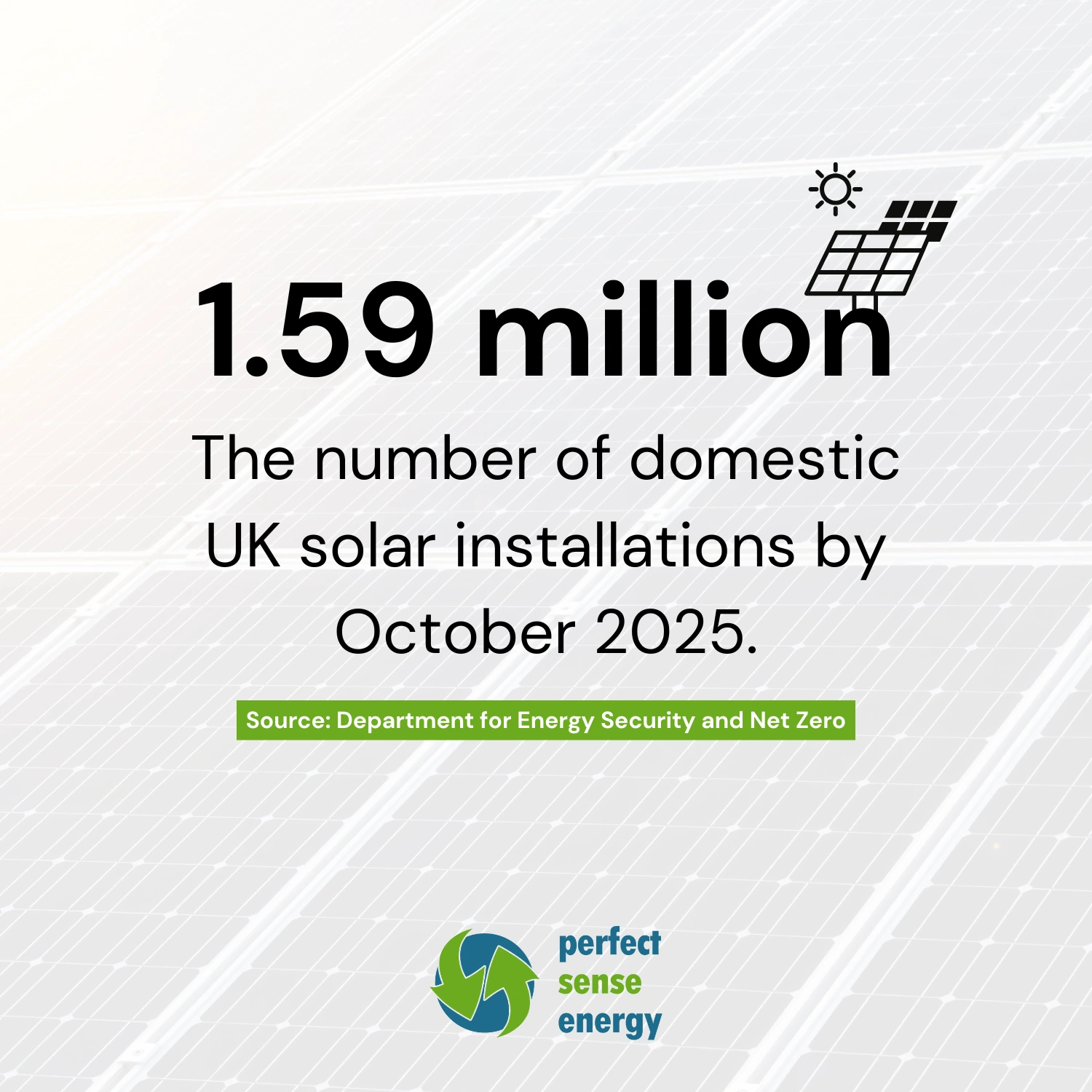
- Domestic solar installations reached 1.59 million by October 2025. [Department of Energy Security and Net Zero]
- Feed-in Tariffs (FiTs) supported 859,676 installations by November 2025. [Department of Energy Security and Net Zero]
- Renewable Obligation (RO) ground-mounted systems account for 6,706 MW across 762 installations in November 2025. [Department of Energy Security and Net Zero]
- In July 2025, Great Britain set a record for maximum solar generation of 14,023 MW, supplying 40% of the nation’s electricity. [National Energy System Operator]
UK Renewable Energy and Employment Trends
The UK’s renewable energy landscape has evolved significantly thanks to the increasing adoption of solar panels. As the country strives to meet its ambitious climate goals in 2050, the growth of the UK’s solar capacity and employment in the sector reflects how important the transition to a cleaner energy future is.
- By 2050, the UK is legally required to have reduced its greenhouse gas emissions by 100% from 1990s levels. [UK Parliament, House of Lords]
- In 2024, the UK obtained 21.7% of its primary energy from low carbon sources, up from 20.8% in 2023, with 37% of this from bioenergy, 25% from nuclear, and 20% from wind. [UK Energy in Brief 2025]
- In 2024, employment in the energy sector rose by 1.9% on the previous year to 158,000 which was 45% above the 2005 level. [UK Energy in Brief 2025]
- Employment in solar and biofuels in 2024 created the most new jobs, with employment growth reaching nearly 143,000 jobs. [The Association for Renewable Energy and Clean Technology (REA)]
- Solar generation fell 1.9 per cent due to lower average sunlight hours in 2024. [UK Energy in Brief]
- The UK’s renewable energy sector is projected to grow to over £41 billion by 2035. [The Association for Renewable Energy and Clean Technology (REA)]
- 6.3% of Great Britain’s power was supplied by the sun in 2025. [Solar Energy UK]
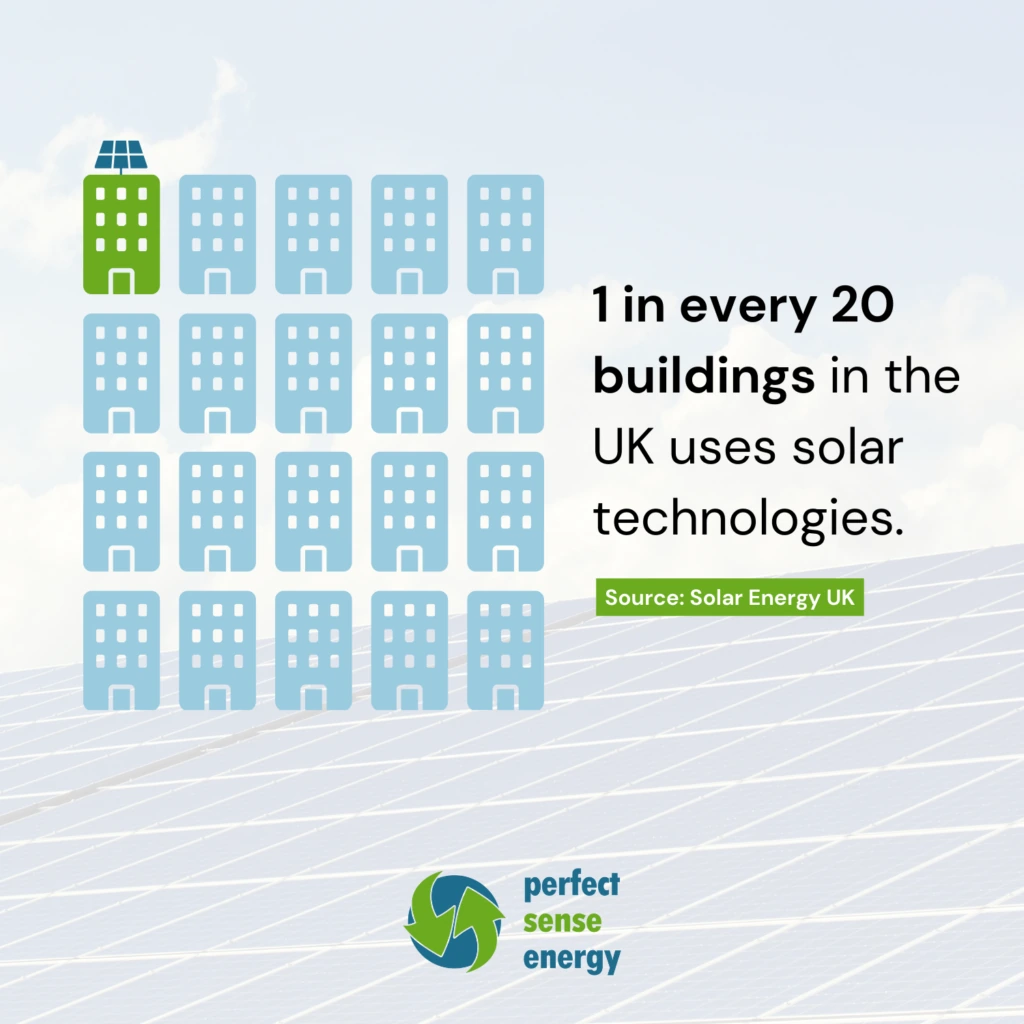
- 1 in every 20 buildings in the UK uses solar technologies. [Solar Energy UK]
Global Solar Energy Capacity and Trends
On a global scale, the renewable energy landscape continues to evolve rapidly, with solar power at the forefront. Major economies are leading the charge, accounting for the vast majority of new capacity additions, particularly in solar photovoltaic (PV) technology.
- Global renewable capacity is forecast to increase by 4,600 gigawatts (GW) by 2030 – roughly the equivalent of adding China, the European Union, and Japan’s total power generation capacity combined. [International Energy Agency (IEA)]
- Solar PV will account for around 80% of the global increase in renewable power capacity over the next five years. [International Energy Agency (IEA)]
- India is set to become the second-largest renewables growth market globally, after China. [International Energy Agency (IEA)]
- Growth expectations for renewables in the US market fell by almost 50% compared to last year due to the phase out of federal tax incentives. [International Energy Agency (IEA)]
- The Asia Pacific region, underpinned by China, was responsible for nearly 60% of the renewable power supply additions in 2024. [Energy Institute]
- Energy investment reached a record of $3.3 trillion in 2024, with $2.2 trillion of that directed to clean energy. [World Resources Institute]
Global Solar Industry Financial and Employment Data
With increasing installations and contributions to electricity demand worldwide, solar energy continues to drive both economic value and employment.
- Solar deployments have experienced an average annual growth rate of 28% in the US. [Solar Energy Industries Association]
- 280,000 Americans work in solar as of 2024. [Interstate Renewable Energy Council (IREC)]
- Global solar PV installations saw a 33% increase in annual market growth in 2024. [Solar Power Europe]
- China accounted for 55% of global additions, installing 329 GW in 2024. [Solar Power Europe]
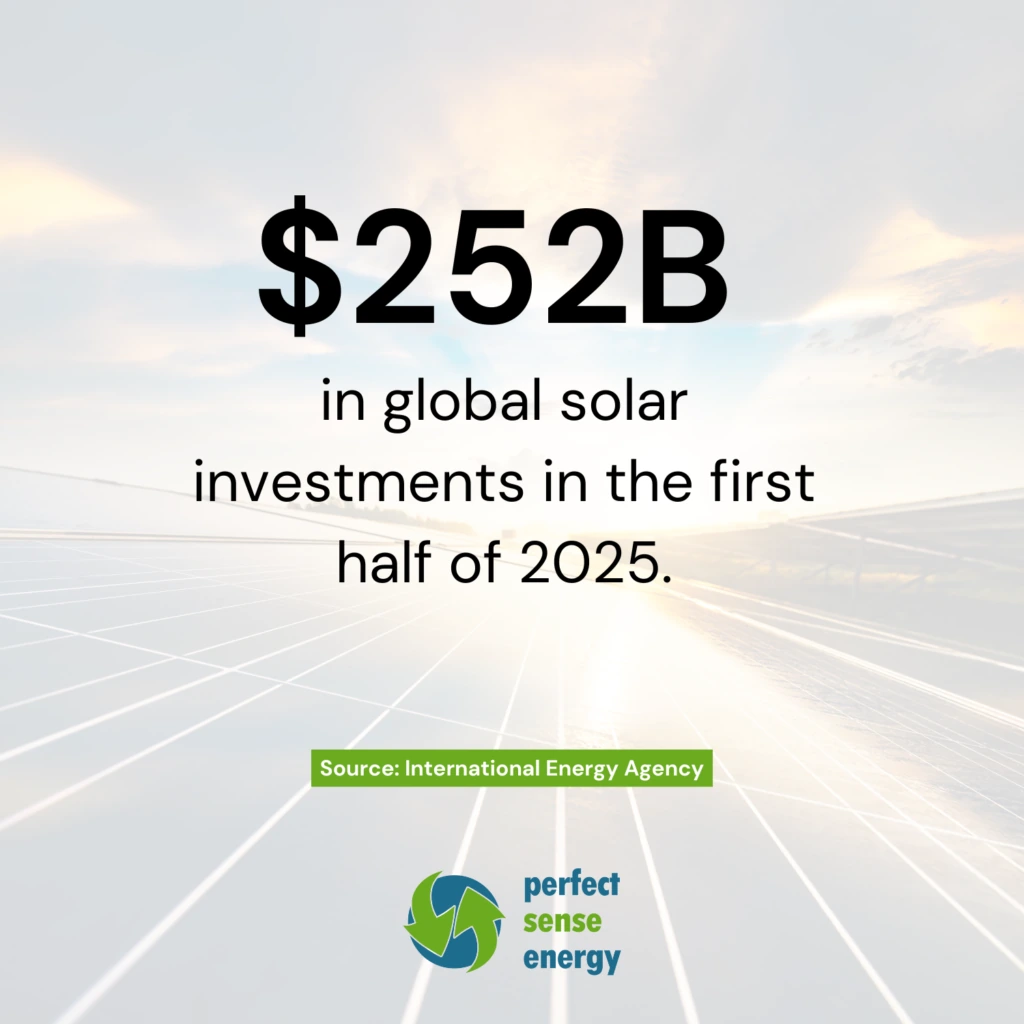
- In the first half of 2025, global solar investment reached $252 billion. [BloombergNEF]
Solar Power to the People!
As the world continues to prioritise sustainability and the fight against climate change, the adoption of solar power is steadily increasing, offering both environmental and economic benefits from homes and businesses to entire industries.
The road ahead is promising, with more capacity, better efficiency, and wider accessibility on the horizon. If you’re looking for a bright solution for our planet’s energy needs, now is the time to embrace the power of the sun for a cleaner, greener future!
At Perfect Sense Energy, our solar specialists are committed to providing top-tier service and support, ensuring our solutions help you achieve your energy goals.
Get in touch or give us a bell on 01942 367 599 to discuss your commercial solar panel needs!