
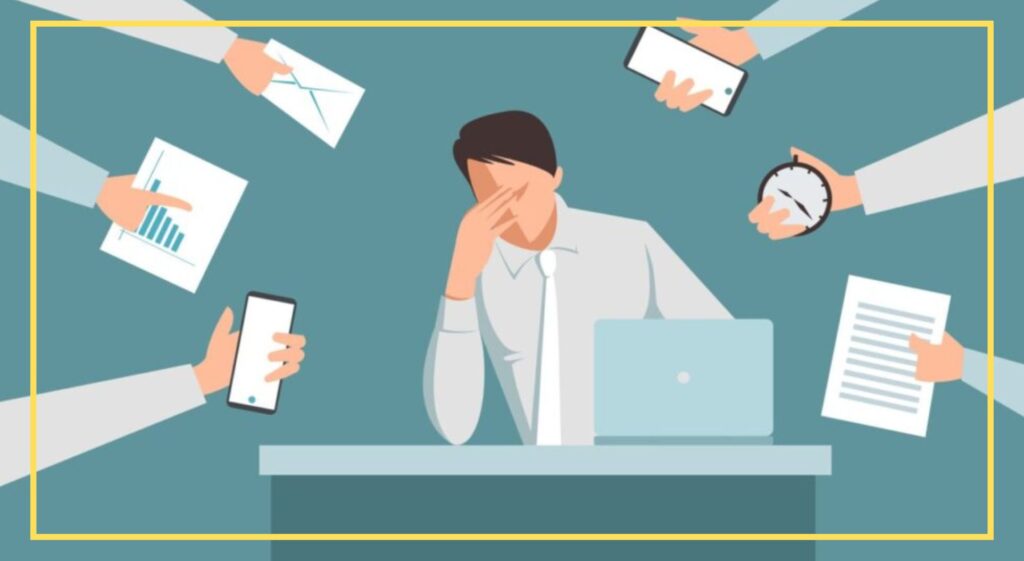
Definition of burnout in the workplace
In 2019, burnout was recognised by the world health organisation as an ‘occupational phenomenon’ – the lines between work and home life have become utterly blurred. Lots of us are working longer and trying to look after children while working from home at the same time, which is no mean feat… trust me! – but what is burnout? Burnout is a state of physical and emotional exhaustion. It can arise when we experience long term stress, a consistent lack of or trouble sleeping, otherwise known as insomnia, or working in a physically and emotionally draining role.
Physical signs of burnout
- Feeling drained and tired most of the time otherwise known as fatigue
- Feeling alone or detached from the world
- Having a cynical or negative outlook
- Feeling trapped and helpless
- Procrastinating and taking longer to get things done
- The feeling of being overwhelmed
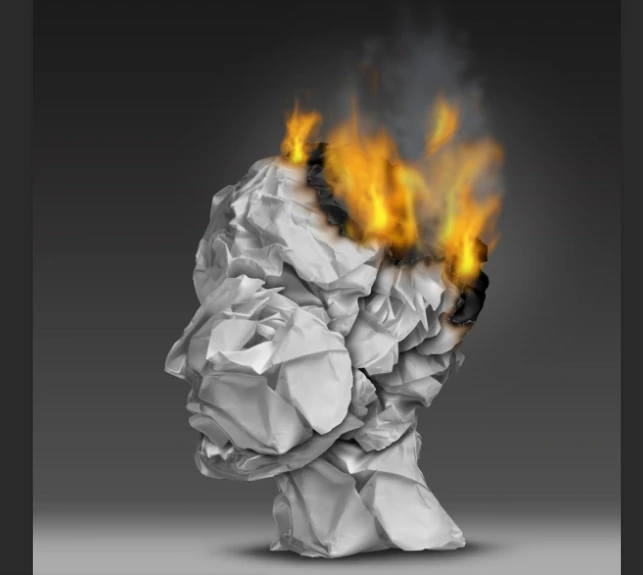
How to combat burnout
Burnout isn’t something that will go away on its own, if left untreated it will worsen over time, causing adverse effects to both your mental and physical health. As common as it is, burnout is often misunderstood. 46% of workers feel more prone to extreme levels of stress compared with a year ago. So, what steps can we take to combat burnout?
Make sure you are eating a healthy and balanced diet and drinking enough water
This is important as we need certain nutrients to give us the vitamins, minerals and good stuff our bodies crave.
Speak to colleagues/friends
Be open about how you are feeling. Once you tell someone, half the battle is won, those around you may not have noticed how you are feeling or could even be feeling the same things. “A problem shared is a problem halved” the saying is true, and confiding in someone can sometimes, truly save a life.
Avoid alcohol or cut down drastically
Alcohol is a well-known depressant and dehydrates the body, during times of stress the last thing any of us really need to be doing is reaching for the bottle. It may feel like it solves our problems, but the day after you will feel much worse…
Keeping physically active
Making sure we do some physical activity each day can improve our mental health quite significantly, physical exercise releases endorphins into the body that help us to feel good… it is also a step we can take that can’t do us any harm even if it’s not necessarily for us…
Maintaining good sleep
Sleep affects so much of our physical and mental wellbeing. I would assume 85% of us neglect sleep on a day-to-day basis, instead, we clamber to be part of the ‘always awake’ club… not healthy, at all! Making sure you spend time away from screens before going to bed, dimming or turning off bright lights, and creating a welcoming and cosy sleep area will help to enforce a good sleep routine. Your body needs time to wind down and get ready to sleep, so do what you can to make sure that is not interrupted.
Speak to your GP
If you are struggling with burnout and have tried your own ways of combatting this, then please speak to your doctor. Let them know all the symptoms you are experiencing and how it is affecting your life. This sometimes isn’t easy but it is necessary for you to get the support that is needed to help.
Research found that only 23% of people knew that there was a process/plan in place by their employers to help spot signs of chronic stress and burnout in their employees. This suggests that employers need to make more effort to communicate with their employees about recognising and managing deteriorating mental health in themselves before it becomes too difficult to manage or too serious to offer support in house.
(Research regarding the percentage of staff who are aware of MH plans where conducted and completed by GOV plc on behalf of mental health UK)
More ways of combating burnout at work
Wellbeing plans are a good way to stay connected with those that work with you and will help build an understanding for what works for them and the struggles they may be facing. Identifying good wellbeing is important, especially for those who at times can suffer from severe stress as this will help support and protect against full burnout.
Stress risk assessments are another way you can explore stress within yourself, these work in the same way as a normal risk assessment only the questions are catered towards stress rather than practical risks you may face.
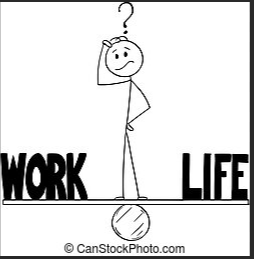
Addressing burnout in the workplace
The main point of this blog is to encourage people to be open about how they are feeling with their employer, colleagues, friends and family. No mental health struggle should be fought alone and is not to be ashamed of. Our brains are extremely complex places and can sometimes work against us rather than with us. Talking is so important and feeling as though you always have a safe person to speak to is paramount to helping support yourself.
Openness in the workplace is becoming more and more common which is a step in the right direction, but we still have so much more we can do to make others around us feel comfortable to be open about the issues they face. We need to keep pushing for mental health conversations to be as common as asking someone if they want a brew… its normal to have struggles, it’s normal to not be ok all the time.
“Its just a bad day, not a bad life. People love, care, and want you to be here”