
The future of renewable energy
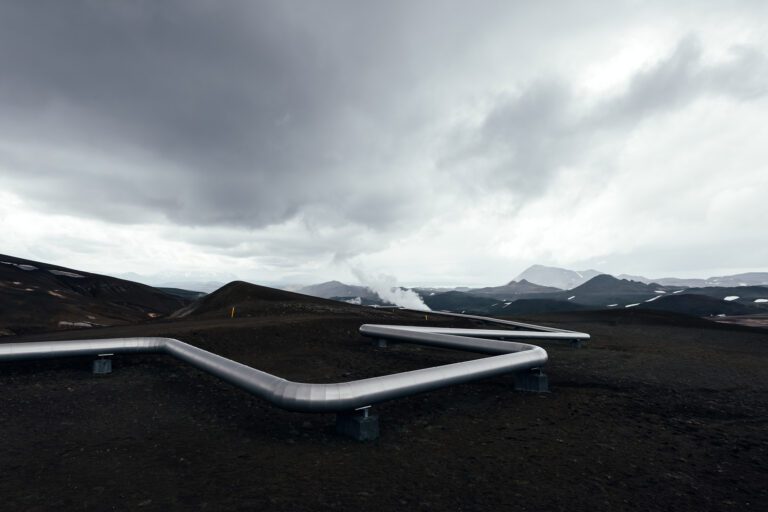
The future of renewable energy is gathering pace. Several countries have now announced ambitious plans to be powered completely by renewable energy and some countries such as Iceland, have already achieved this.
Last year Scotland obtained 40% of its energy from renewable sources (a 24% increase from 2010), with the aim of having 100% renewable energy by 2020. Whilst it could be argued that Iceland is in a unique position to enable it to utilise geothermal power, the climate of Scotland is fairly similar to the rest of the UK and therefore demonstrates the potential to utilise the future of renewable energy if there is political will.
Why renewable energy is important for the future
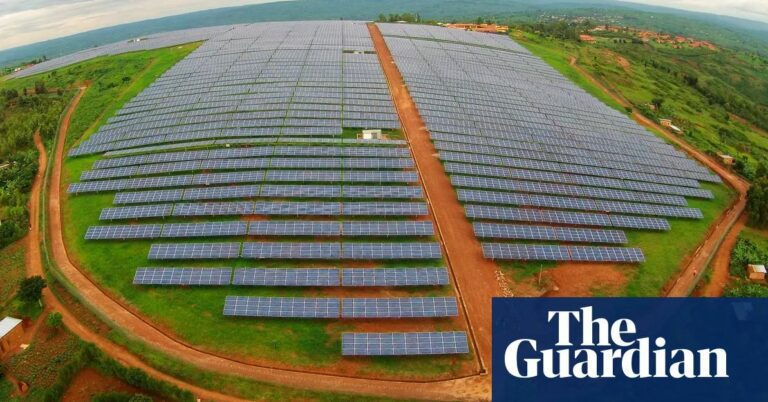
This move to renewable energy is being seen around the world. Rwanda has recently signed a $24m deal to be the first country in East Africa to build a large-scale solar plant. The 8.5-megawatt solar project should be operational later this year and will boost its electricity supply by 8%.
Many developing nations around the world are committed to developing renewable energy as it is not only a cheap energy source but also enables them to control their own energy supply rather than relying on the fluctuating costs of other nations.
What do the experts think about the future of renewable energy?
“It is great to see that nations are taking greater responsibility for their energy demands and shifting towards future renewable energy sources. We have seen this in the UK as well (but only on a more local scale so far), as homeowners and businesses require greater control over their energy costs and seek a greener, more affordable solution.
This has resulted in the widespread independent use of renewable energy measures which can only be a good thing for our environmental future. If the political will in England matched that of countries such as Scotland to help this process, it is not unrealistic for the UK to have 100% renewable energy in the future.”
Gary Brandwood – Perfect Sense Energy
Read the Net Zero renewable energy projections 2050 by the iea